
Trump Administration Reshapes Global Ties: Exits India-Led Climate Pact, Defends China Tech Exports, Signals Latin American Interventions
Washington, DC – In a series of rapid-fire moves this week, the Trump administration has withdrawn the United States from the India-led International Solar Alliance, defended exports of advanced semiconductors to China as part of a counter-strategy to Beijing's influence, and announced plans for direct action against drug cartels in Mexico while scheduling a high-level meeting with Venezuelan opposition figures. These developments, unfolding between January 5 and January 9, 2026, underscore a return to "America First" foreign policy priorities, emphasizing bilateral deals, national security, and technological competition over multilateral frameworks.
The withdrawal from the International Solar Alliance (ISA), announced on January 8, marks a notable pivot in U.S. climate diplomacy. The ISA, launched in 2015 by India and France, aims to promote solar energy adoption among 121 signatory countries, particularly in the Global South. The U.S. had participated under previous administrations, viewing it as a platform for clean energy cooperation. President Donald Trump's decision represents "a significant shift in international climate policy and cooperation," according to reports from Times of India. This move aligns with Trump's historical skepticism toward multilateral climate accords, including his earlier exit from the Paris Agreement in 2017.
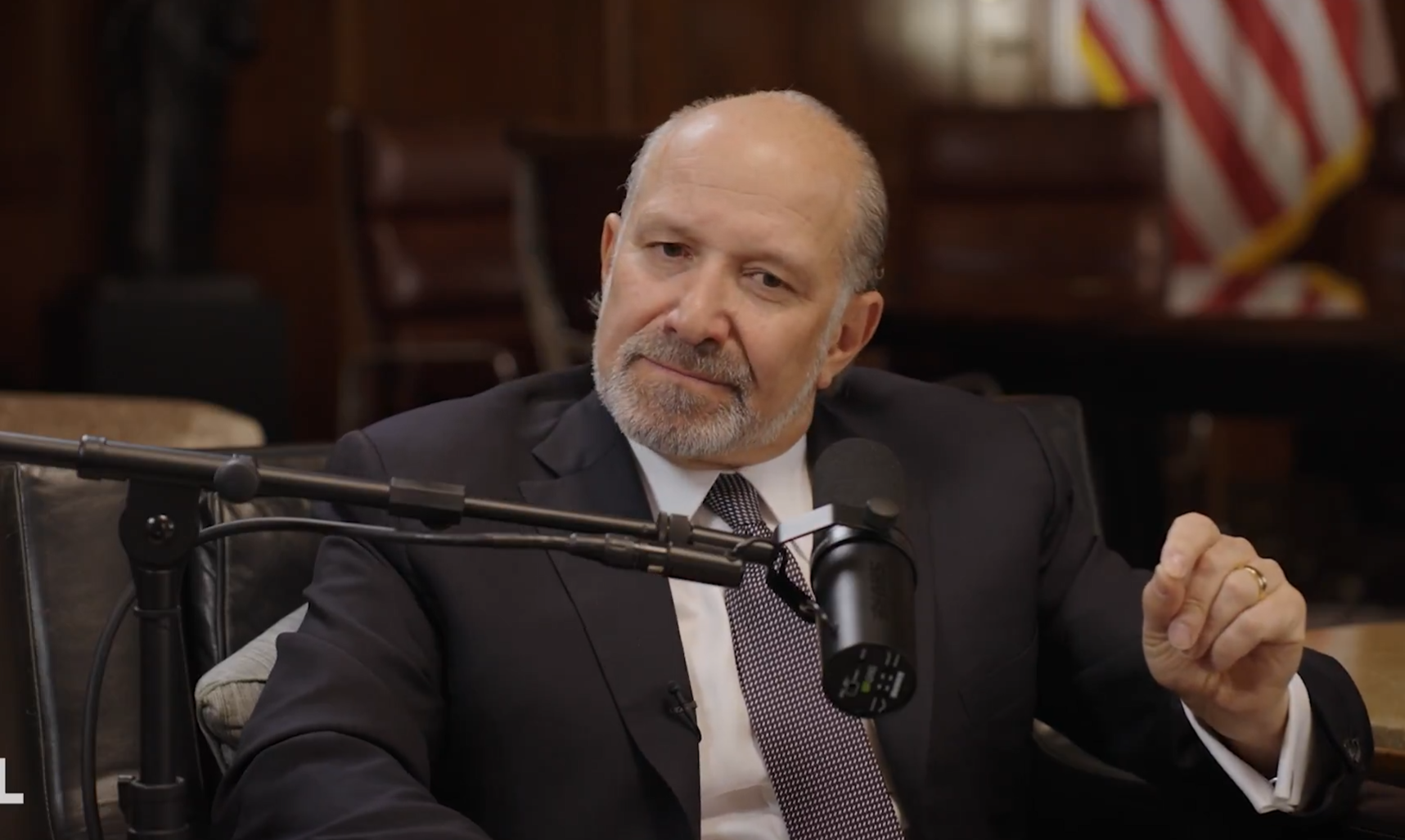
Compounding tensions with India, U.S. Commerce Secretary Howard Lutnick revealed on January 9 that stalled trade negotiations hinge on a lack of direct communication from Indian Prime Minister Narendra Modi. "PM Modi did not call Trump," Lutnick stated, explaining the impasse. The U.S. has imposed tariffs on countries purchasing Russian oil, impacting India, which faces duties on its exports. Both sides are pursuing a comprehensive trade agreement targeting a sharp increase in bilateral trade by 2030, but progress remains elusive amid these frictions.
Shifting to U.S.-China relations, a senior Trump administration official defended exports of advanced chips, such as Nvidia's H200 AI chips, during remarks at the Consumer Electronics Show in Las Vegas on January 9. The official framed these sales as integral to constructing a U.S.-led "digital silk road," a strategic response to concerns over eroding American competitiveness. This comes amid ongoing U.S. restrictions on semiconductor exports to China, initiated under the Biden administration to curb Beijing's military and AI advancements. Chinese observers have questioned the logic of approving such high-end chips, but the administration positions this as a calculated move to maintain U.S. market dominance and counter China's Belt and Road Initiative's digital infrastructure expansions.
In Latin America, the administration signaled a more assertive posture. On January 9, Trump announced that the U.S. would "start now hitting land" against drug cartels operating in Mexico, escalating rhetoric on border security and narcotics trafficking. This follows years of U.S.-Mexico cooperation under initiatives like the Mérida Initiative, but reflects Trump's campaign promises for unilateral action if bilateral efforts falter. Separately, Trump confirmed plans to meet Venezuelan opposition leader Maria Corina Machado in Washington the following week, as reported by Fox News on January 9. Machado, a prominent critic of President Nicolás Maduro, has been barred from running in elections and represents a key figure in efforts to challenge Maduro's grip on power amid Venezuela's economic collapse and mass migration.
Background
These actions revive hallmarks of Trump's first term (2017-2021), when the U.S. prioritized transactional diplomacy, withdrew from pacts like the Trans-Pacific Partnership and Iran nuclear deal, and imposed tariffs on allies and adversaries alike. The ISA exit echoes the Paris Agreement pullout, prioritizing domestic energy independence—bolstered by U.S. shale production—over global renewables leadership. On China, the "digital silk road" concept builds on U.S. investments in undersea cables, 5G alternatives via firms like Open RAN, and alliances like the Quad to offset China's global tech footprint.
Latin American moves address persistent U.S. concerns: Mexico's cartels fuel the opioid crisis, killing over 100,000 Americans annually, while Venezuela's instability has driven 7.7 million refugees since 2014, straining hemispheric relations.
Outlook
Analysts anticipate ripple effects. The ISA withdrawal may strain Quad ties (U.S., India, Japan, Australia) as New Delhi pushes green tech leadership. Chip exports could invite congressional scrutiny amid bipartisan hawkishness on China. In Latin America, Mexico has historically resisted U.S. military incursions, potentially sparking diplomatic backlash, while Venezuelan engagement might galvanize opposition but risks escalation if tied to regime change pressures.
As negotiations with India continue and Latin American meetings loom, the Trump administration's early moves signal a high-stakes recalibration of U.S. geopolitics, balancing confrontation with selective engagement.
(Word count: 712)






