
Treasury Probes Minnesota Money Laundering Scheme for Possible al-Shabab Terror Funding Links
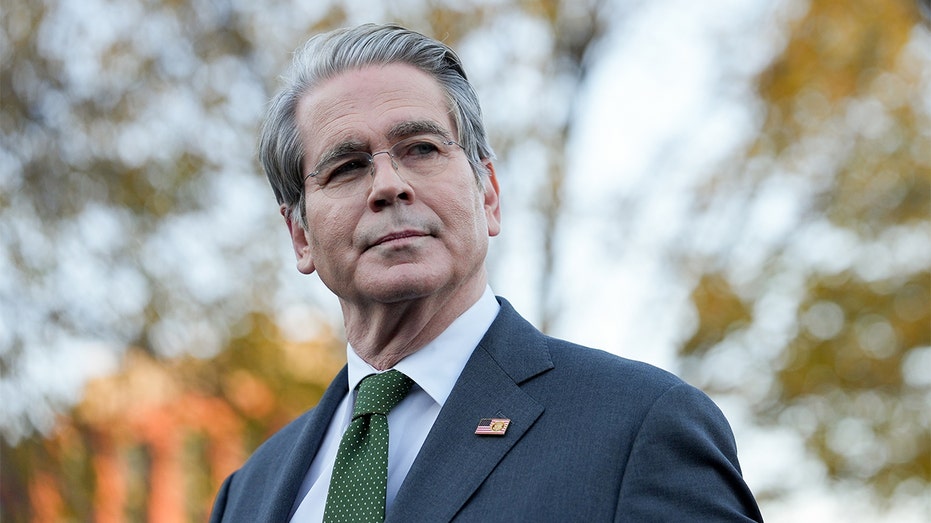
Washington, D.C. – The U.S. Treasury Department has launched an investigation into an international money laundering operation in Minnesota, amid concerns that state tax dollars may have been fraudulently diverted to fund the Somalia-based terrorist group al-Shabab, Treasury Secretary Scott Bessent announced on Friday.
The probe centers on allegations of fraud schemes that could have channeled funds to al-Shabab, a designated foreign terrorist organization affiliated with al-Qaeda. Bessent, speaking publicly about the matter, pointed fingers at Minnesota Governor Tim Walz, suggesting state-level mismanagement may have enabled the potential diversion of taxpayer money. The investigation was highlighted in statements made on January 9, 2026, marking the emergence of this issue as a medium-severity national security concern.
Details of the scheme remain under active review, but preliminary reports indicate it involves an international money laundering network operating within Minnesota. Bessent emphasized the gravity of the situation, stating that "Minnesota tax dollars could have potentially been diverted to terrorist organization al-Shabab through alleged fraud schemes." This comes as federal authorities scrutinize whether public funds intended for legitimate purposes were siphoned off via fraudulent means and funneled overseas.
The Treasury's involvement underscores the intersection of financial crimes and counterterrorism efforts. Money laundering schemes often serve as lifelines for terrorist groups, allowing them to move illicit funds across borders undetected. In this case, the focus is on connections to al-Shabab, which has long relied on diaspora remittances, extortion, and smuggling to finance operations in East Africa.
Minnesota's Somali Community in Context
Minnesota hosts one of the largest Somali-American communities in the United States, with tens of thousands of residents tracing roots to Somalia. This demographic has been a focal point for counterterrorism efforts in the past. Since the mid-2000s, U.S. authorities have disrupted multiple al-Shabab recruitment plots targeting young Somali-Minnesotans, including high-profile cases like the 2009 disappearance of five Minneapolis youths who joined the group, and the 2016 arrest of individuals plotting attacks on U.S. soil.
The state's welfare and unemployment benefit programs have also faced scrutiny for vulnerabilities to fraud, particularly schemes exploiting identity theft and fictitious claims. Federal audits in recent years, including those by the U.S. Department of Labor, have flagged Minnesota for elevated rates of improper payments in pandemic-era relief programs, totaling hundreds of millions of dollars. While not directly linked to terrorism, these systemic issues provide fertile ground for laundering operations.
Governor Walz's administration has defended its oversight, but Bessent's remarks represent a pointed political critique. Walz, a Democrat who served as Kamala Harris's running mate in the 2024 presidential election, has overseen Minnesota during a period of heightened federal-state tensions over immigration, border security, and public spending. Bessent, appointed Treasury Secretary in the incoming Trump administration, framed the probe as evidence of lax governance, though Treasury officials have not released specifics on evidence tying funds directly to al-Shabab.
al-Shabab's Global Reach and U.S. Ties
Al-Shabab, formally Harakat al-Shabaab al-Mujahideen, emerged in the mid-2000s amid Somalia's civil war and has since conducted thousands of attacks, including the 2013 Westgate Mall siege in Kenya and ongoing assaults in Somalia. The group controls significant territory in southern Somalia and imposes taxes on local businesses while seeking foreign funding. U.S. drone strikes and African Union operations have degraded its capabilities, but it remains resilient, with an estimated annual budget of $100 million from diverse sources.
The Treasury Department's Financial Crimes Enforcement Network (FinCEN) has previously sanctioned individuals and hawala networks—informal money transfer systems—linked to al-Shabab fundraising in the U.S. Minnesota has appeared in such designations, including 2019 actions against remittance firms accused of channeling funds to the group. This latest probe builds on that framework, examining whether fraudulently obtained state benefits were laundered through similar channels to Somalia.
Experts note that even small-scale diversions can amplify al-Shabab's threat. "Terrorist financing often involves low-dollar, high-volume transactions that evade traditional banking scrutiny," said a former Treasury official familiar with similar cases, speaking on condition of anonymity. The FBI's Joint Terrorism Task Force in Minneapolis is reportedly assisting, drawing on local intelligence from the Somali community.
Ongoing Investigation and Broader Implications
As of January 9, 2026, the Treasury has not confirmed terror funding but described the laundering scheme as having international dimensions potentially benefiting "global terrorists based in Somalia." No arrests have been announced, and Minnesota officials have yet to issue a formal response to Bessent's blame.
This development arrives amid renewed national focus on domestic terrorism financing under the incoming administration. The Treasury's priority on disrupting illicit flows aligns with executive orders emphasizing sanctions enforcement and public-private partnerships to combat fraud.
Lawmakers from both parties have called for transparency. "If taxpayer dollars funded terrorists, heads must roll," said Rep. Tom Emmer (R-Minn.), whose district includes parts of the Twin Cities. Democrats urged caution against politicizing the probe.
The investigation's outcome could prompt reforms to state fraud detection, enhanced FinCEN advisories, or new sanctions. For Minnesota's Somali community, it risks renewed stigma, even as leaders emphasize cooperation with authorities. As the probe unfolds, it highlights persistent challenges in safeguarding public funds from exploitation by transnational threats.






