War in Iran Costs US $25 Billion, Pentagon Official Confirms
The United States' war in Iran has cost $25 billion so far, as stated by a senior Pentagon official.[3] This figure marks the first official estimate from the Pentagon on the military's price tag for the conflict.[3]
Cost of the War in Iran
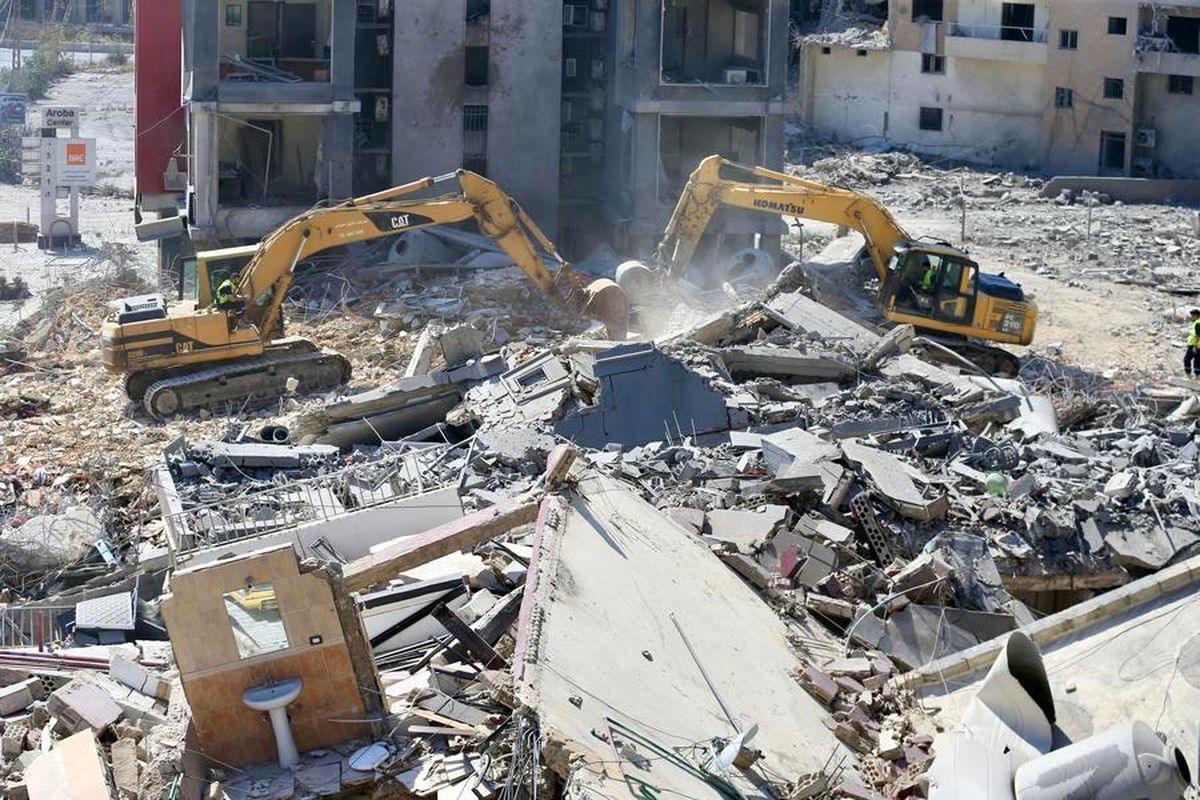
The financial toll of the US war in Iran has now been quantified at $25 billion to date, according to statements from Pentagon sources.[1][2][3] A senior Pentagon official disclosed this amount on Wednesday, highlighting the escalating expenses associated with the ongoing military engagement.[3] This revelation comes amid reports circulating in international media, where headlines directly reference the "Iran - Krieg kostet die United States 25 Milliarden Dollar," translating to the war in Iran costing the United States 25 billion dollars.[1] Similarly, specific Pentagon commentary notes that the "Iran - Krieg kostete bislang 25 Milliarden Dollar," indicating costs up to the present moment stand at this level.[2]
This $25 billion encompasses the military's expenditures since the conflict's initiation, providing a concrete benchmark for the war's economic burden on US resources.[3] The disclosure by the senior official serves as a critical acknowledgment of the fiscal strain, with the figure described explicitly as the price tag for the war in Iran.[3] Reports emphasize that this is not a preliminary or unofficial tally but the Pentagon's formal assessment, underscoring its significance in budgetary discussions.[1][2][3] The timing of this announcement, captured in news updates published around April 29, 2026, reflects real-time tracking of the war's progression and its immediate financial implications.[1][2]
In detailing the cost, sources consistently frame it as cumulative "so far," suggesting ongoing accruals that could push totals higher as operations continue.[2][3] The Pentagon's involvement in providing this estimate points to internal calculations involving logistics, personnel, equipment, and operational sustainment specific to the theater of the war in Iran.[3] This level of expenditure aligns with the scale of a major conflict, where daily costs compound rapidly, though exact breakdowns remain tied to the official's statement without further granularity in available reports.[1][2][3] The $25 billion milestone prompts considerations of congressional oversight and funding requests, as it represents a substantial commitment of taxpayer dollars to the war effort.[3]
{IMAGE_2}
Economic Effects of the Conflict
The war in Iran is exerting profound economic effects, particularly through disruptions in global energy markets.[4] Central to this is the closure of the Strait of Hormuz, which sources describe as marking a rupture in the post-1970s global energy order.[4] This strategic chokepoint's shutdown has triggered what one analysis terms "the long shock," fundamentally altering how the global economy functions in terms of energy supply and pricing.[4]
The implications of this closure extend beyond immediate shortages, redefining economic structures built over decades since the 1970s oil crises.[4] With the Strait of Hormuz sealed due to the conflict, traditional flows of oil and gas have been severed, compelling a reevaluation of supply chains that underpin international trade and industrial activity.[4] This rupture signals a potential long-term shift, where economies must adapt to new routes, sources, and costs for energy imports, with cascading effects on manufacturing, transportation, and consumer prices worldwide.[4]
Reports frame this as a transformative event, where the war in Iran accelerates changes long in motion but now crystallized by military actions.[4] The post-1970s energy order, characterized by relative stability in Persian Gulf shipments, faces obsolescence, prompting governments and corporations to seek alternatives that may involve higher expenses and geopolitical realignments.[4] This economic remaking underscores the war's role in amplifying vulnerabilities exposed by the Strait's closure, with global markets absorbing the initial waves of this shock.[4]
Impact on the Aviation Sector
The aviation sector is grappling with severe challenges stemming from the war in Iran, primarily driven by surging jet fuel prices and looming supply risks.[5] Jet fuel prices have risen nearly 84 percent since the conflict began on February 28, a spike that is buffeting airline operations across Europe and beyond.[5] This escalation, linked directly to the war's disruptions, represents the biggest test for carriers since the Covid-19 pandemic.[5]
European airlines, in particular, are navigating this crisis through financial hedges that have so far mitigated the full brunt of the price surge, taming costs despite the near 84 percent increase.[5] However, these protections are temporary, and prolonged conflict raises the specter of jet fuel shortages that could halt flights and strand passengers.[5] The war's impact on Middle East travel routes compounds the issue, casting a shadow over the summer holiday season as airlines contend with both elevated costs and restricted airspace.[5]
Sources highlight the risk explicitly: "There is a risk th" – indicating potential shortages if the war does not end soon, threatening operational continuity.[5] This situation forces carriers to reassess summer holiday plans, with the US-Israel war on Iran pushing up prices and disrupting schedules.[5] The 84 percent rise since February 28 underscores the volatility, where initial hedges provide breathing room but cannot sustain indefinite exposure to war-induced market chaos.[5]
{IMAGE_3}
Political Context Surrounding the War
The political ramifications of the US war in Iran are coming into sharp focus, especially with mid-term elections approaching.[3] With just six months before these elections, in which Trump’s Republicans may face an uphill battle to retain their House majority, the $25 billion cost adds a layer of scrutiny.[3] Democrats are positioned to leverage this, as the financial and strategic dimensions of the conflict intersect with domestic political dynamics.[3]
The Pentagon official's disclosure occurs against this backdrop, where the war's expense could influence voter sentiment and legislative battles over defense spending.[3] Reports note the timing, providing the first official estimate amid partisan tensions, potentially complicating Republican efforts to maintain control.[3] The senior official's statement on Wednesday feeds into broader narratives around the war in Iran, where fiscal accountability becomes a campaign issue.[3]
Current Status and Ongoing Developments
The war in Iran remains active, with key developments tracked across multiple sources.[1][2][3][4][5] Pentagon assessments confirm costs at $25 billion so far, reflecting sustained operations.[2][3] The conflict's start on February 28 has led to persistent disruptions, including the Strait of Hormuz closure.[4][5]
Aviation faces immediate pressures from the 84 percent jet fuel hike, with hedges holding but shortages looming.[5] Politically, the timing six months from mid-terms heightens stakes for US leadership.[3] Media coverage from April 29, 2026, captures the evolving situation, from cost revelations to economic shocks.[1][2]
Disruption to the Post-1970s Global Energy Order
The closure of the Strait of Hormuz amid the war in Iran disrupts the post-1970s global energy order, as outlined in analytical reports.[4] This event constitutes a rupture with lasting consequences for global economic functions.[4] The "long shock" narrative encapsulates how military conflict is remaking energy dependencies established post-1970s.[4]
Such a closure forces a paradigm shift, where alternative pathways emerge at greater cost and risk.[4] The war's role in this transformation highlights vulnerabilities in the established order, compelling adaptations across energy-importing nations.[4]
What to watch next: Monitor Pentagon updates on escalating costs beyond $25 billion[2][3], potential resolution of the Strait of Hormuz closure[4], and airline responses to jet fuel shortages if the war persists[5].