
Tragedy Strikes: A Deeper Look at the Nigeria Crash and Its Wider Implications
The Incident: A Heartbreaking Loss
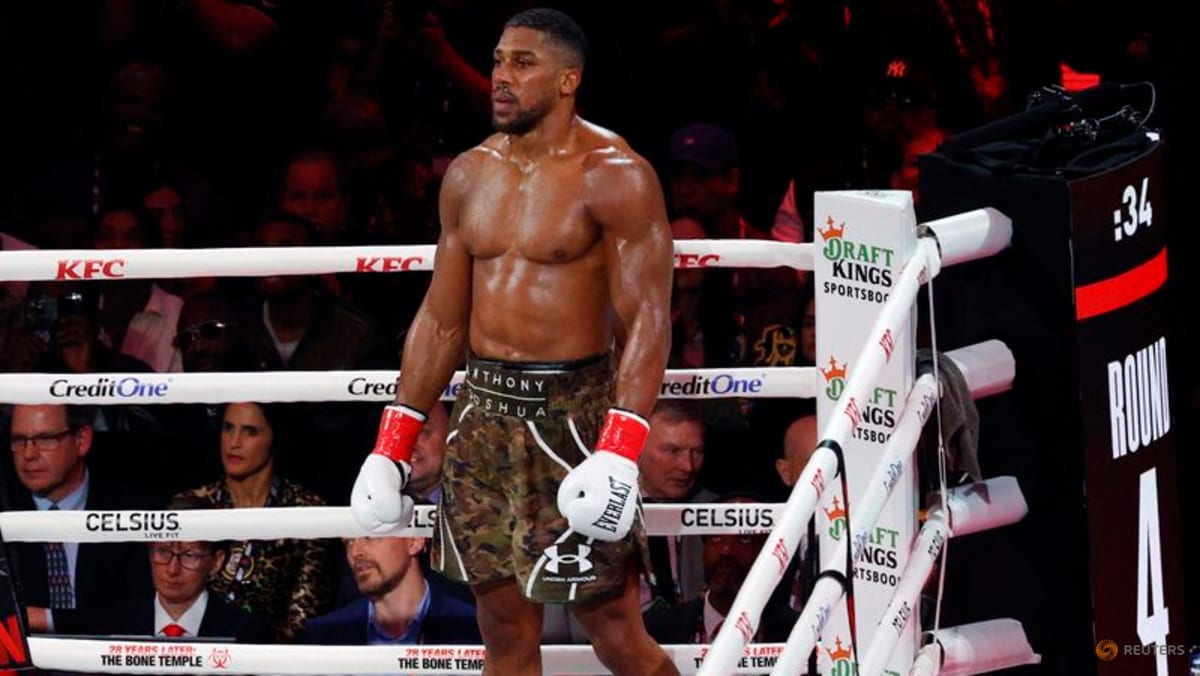
In a devastating road accident in Nigeria, two friends of British-Nigerian boxer Anthony Joshua lost their lives, sending shockwaves through communities on both sides of the Atlantic. The crash occurred recently on a notorious stretch of Nigerian highway, where poor road conditions and speeding vehicles collided catastrophically. Joshua, visibly emotional, shared a heartfelt tribute on social media, posting: "RIP to my brothers... This hurts deeply. Prayers for their families." His raw interview, where he fought back tears, underscored the personal toll, revealing how the victims were close confidants from his Nigerian roots.
Public reactions poured in immediately. Nigerian fans and global boxing enthusiasts flooded Twitter with condolences; one viral tweet from user @NaijaBoxingFan read, "Anthony Joshua's pain is our pain. When will Nigeria's roads stop claiming our best? #RIPJoshuaFriends." Notable figures, including footballer Kelechi Ndidi, echoed the grief, amplifying the story's reach.
A Historical Perspective: Tragedies on Nigerian Roads
This tragedy fits a grim pattern of road fatalities in Nigeria, where the World Health Organization reports over 40,000 deaths annually from accidents—among Africa's highest. The incident echoes past horrors, such as the fatal accident on January 27, 2026, that claimed Ndidi's father, a stark reminder of recurring dangers on poorly maintained highways plagued by potholes, overloaded trucks, and lax enforcement.
Over decades, road safety measures have stagnated. Post-2010 reforms promised better infrastructure via the Federal Roads Maintenance Agency, but funding shortfalls and corruption have hindered progress. High-profile crashes, like the 2012 Lagos-Ibadan expressway pile-up killing 50, spurred temporary awareness but little systemic change, leaving families like Joshua's friends' perpetually vulnerable.
Cultural Reflections: Mourning and Memory
Nigerian culture processes such losses through communal mourning rituals—wake-keeping vigils, dirges, and street processions—that bind communities in shared sorrow. The crash's public reaction mirrors this: social media tributes evolved into virtual candlelight memorials, with #JusticeForRoadVictims trending. Public figures like Joshua play a pivotal role, their visibility channeling collective grief into calls for accountability.
This outpouring reflects deeper emotional scars; road deaths disrupt family lineages in a society valuing extended kinship, fostering a cultural narrative of resilience amid loss. Tweets like @YorubaWarrior's—"In Naija, we bury our dead but carry the pain forever. AJ's tears speak for us all"—highlight how celebrities humanize abstract statistics, strengthening communal bonds.
Looking Ahead: Will This Tragedy Spark Action?
While grief dominates now, this crash—tied to a global icon like Joshua—could ignite reform. Heightened public outrage may pressure the government for stricter vehicle inspections and highway upgrades, potentially reviving stalled bills in the National Assembly. Advocacy groups predict surges in awareness campaigns, with NGOs like the Nigerian Red Cross launching drives.
Community initiatives, such as youth-led safety patrols, could proliferate, fueled by social media momentum. Yet, history tempers optimism: without sustained political will, this may fade like prior tragedies. Watch for Joshua's potential involvement in fundraisers or lobbying, signaling a tipping point toward tangible change.
This is a developing story and will be updated as more information becomes available.