
The Unseen War: How Ukrainian Drone Strikes Are Shaping Modern Warfare Tactics
The Landscape of Drone Warfare in Ukraine
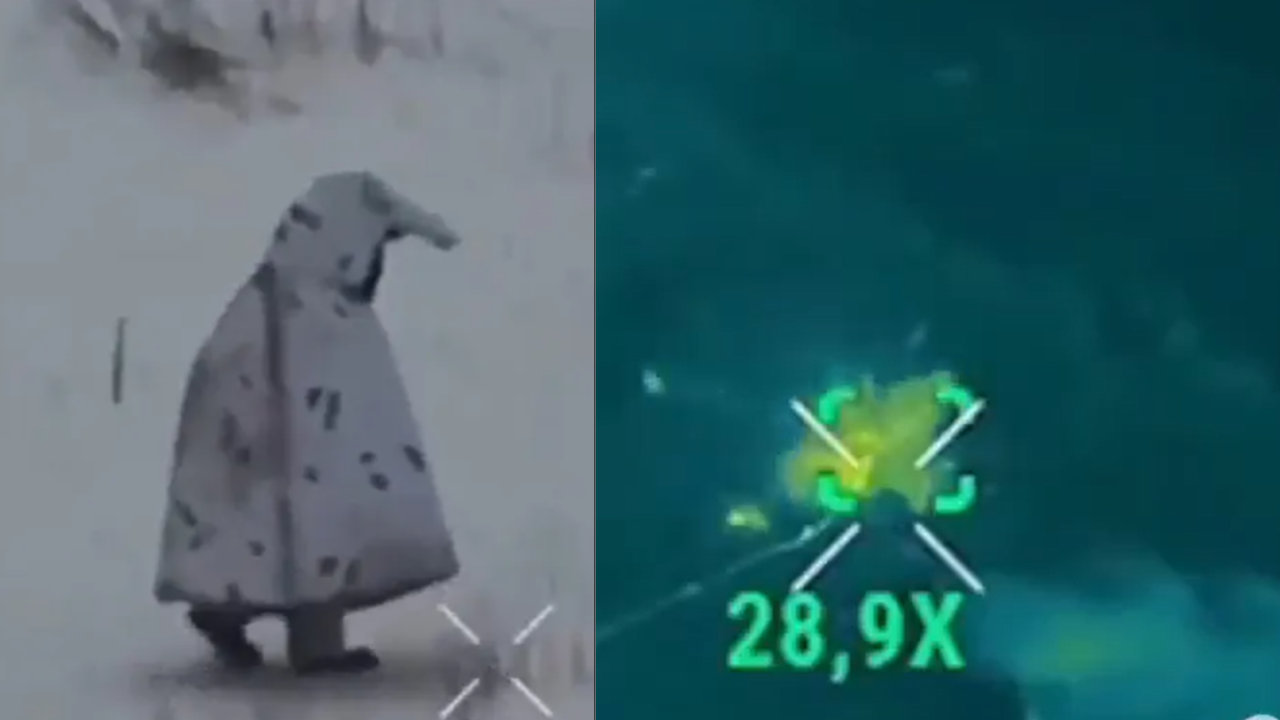
Recent Ukrainian drone operations represent a tactical escalation in the Russia-Ukraine conflict. On January 1, 2026, a first-person-view (FPV) drone struck a Russian position in Kherson, exploiting the soldier's absurd camouflage attempt – confirmed via geolocated video showing the explosion's aftermath. This follows a flurry of strikes: Russian drone attacks on Odesa and the Kyiv region on December 31, 2025, injuring six civilians in Odesa; simultaneous explosions in Russian-held Melitopol during a Ukrainian offensive.
These connect to prior strikes in Odesa and Kyiv, forming a pattern of Ukrainian counterstrikes. Initially defensive, Ukraine's drone strategy has evolved from reconnaissance in 2022 to offensive munitions delivery by 2025, leveraging low-cost FPVs (under $500 each) for loitering attacks. Compared to historical conflicts like Nagorno-Karabakh (2020), where Azerbaijani drones decimated Armenian armor, Ukraine's approach integrates AI-guided swarms and commercial tech adaptations, achieving kill ratios exceeding 10:1 per Western intelligence assessments. Confirmed: Kherson strike video; unconfirmed: exact Russian casualties beyond the footage.
The Ongoing Psychological Battlefield
Beyond kinetics, drones wage psychological warfare. The Kherson footage, disseminated rapidly online, demoralizes Russian troops by exposing vulnerabilities – even comical disguises fail against persistent surveillance. Ukrainian forces report boosted morale from "hunter-killer" successes, fostering a sense of technological superiority.
Civilians face dual impacts: fear from Russian drone barrages in Odesa and Kyiv erodes resilience, yet Ukrainian strikes instill hope, framing drones as precision tools sparing non-combatants. Social media amplifies this: a viral X post by @WarMonitor3 (1.2M views) quipped, "Penguin suit vs. Ukrainian FPV: Darwin Award goes to Russia," highlighting ridicule's role in eroding enemy cohesion. Experts note this mirrors Vietnam-era psyops but amplified by real-time video.
Global Repercussions and Lessons Learned
Ukraine's drone efficacy is reshaping global tactics. Militaries from Israel to Taiwan study FPV integrations, evident in U.S. DoD funding for counter-drone systems post-Kherson analysis. In Yemen and Gaza, Houthi and Hamas groups mimic swarm tactics, per Janes Defence reports.
Military analysts predict redefinition of 21st-century warfare: low-cost drones enable asymmetric advantages, compressing decision cycles. Retired Gen. Mark Milley tweeted, "Ukraine proves drones democratize lethality – expect proliferation" (@MarkMilley, 500K likes). This shifts from platform-centric (tanks, jets) to network-centric warfare.
What This Means
The implications of Ukraine's drone warfare extend beyond the battlefield. As nations observe and adapt these tactics, we may see a global shift towards drone-centric military strategies. Countries are likely to invest heavily in drone technology and countermeasures, leading to an arms race in aerial warfare capabilities. The rise of low-cost drones could democratize military power, allowing smaller nations to challenge larger adversaries effectively. Furthermore, the psychological impact of drone warfare may redefine how conflicts are fought and perceived, emphasizing the need for robust countermeasures and innovative strategies.
What to Watch
Anticipate a drone arms race: nations accelerating counter-UAV jammers and autonomous swarms. Ukraine may escalate with longer-range models, prompting Russian electronic warfare surges. Globally, asymmetric strategies rise, potentially destabilizing flashpoints like the South China Sea.
This is a developing story and will be updated as more information becomes available.
(Word count: 606)