
The Unseen Consequences of War in Iran: A Deep Dive into Regional Geopolitical Shifts
By Yuki Tanaka, Tech & Markets Editor, The World Now
As the conflict in Iran enters its third day, the world watches not just the fiery exchanges between U.S. and Israeli forces and Iranian targets, but the subtle realignments rippling across the Middle East. While headlines dominate with airstrikes and the shocking death of Supreme Leader Ali Khamenei, the true story lies in how neighboring nations are quietly recalibrating their foreign policies—forging new coalitions, hedging bets, and repositioning for a post-war order. This report examines these unseen geopolitical shifts, revealing how the war is redrawing alliances far beyond the battlefield.
Introduction: The Current State of War in Iran
The war erupted on March 2, 2026, when U.S. and Israeli forces launched coordinated strikes on key Iranian military and leadership sites, culminating in the confirmed death of Khamenei during an attack blitz that also eliminated several top commanders. According to CNN's live updates, the strikes targeted nuclear facilities, missile silos, and command centers, widening the conflict to include Iranian-backed militias in Iraq, Syria, and Yemen. Iranian responses have included missile barrages on U.S. assets in the region and attacks on Gulf state infrastructure, as reported by France 24.
World leaders reacted swiftly: President Trump defended the operation as "preemptive justice" despite domestic midterm risks, per The Star Malaysia. European nations issued cautious condemnations, with Finland's Yle warning of potential continental entanglement. Gulf states like Saudi Arabia and the UAE expressed concern over spillover, while Turkey hosted panels dissecting war scenarios. Social media erupted, with #IranWar trending globally—X user @MiddleEastEye posted, "Khamenei's death changes everything. Gulf states silent? They're picking sides already," garnering 250K likes.
The regional landscape is tense: tanker traffic in the Strait of Hormuz has halted, spiking oil prices 15% overnight.
Historical Context: A Precursor to Modern Warfare
U.S.-Iran tensions trace back decades, but recent escalations follow a clear timeline that has shaped today's strategies. The Iran-Israel shadow war intensified in late 2025, with the "Iran-Israel War Overview" on December 31 marking proxy clashes via Hezbollah and Houthis. By January 14, 2026, Iran signaled war readiness amid Trump's inauguration warnings. U.S. deployments escalated: a carrier strike group positioned near Iran on January 27, followed by media predictions of conflict and Iranian mobilizations near Tehran on January 29. A U.S. warship's departure from base on February 26 signaled imminent action.
This builds on 1979's Islamic Revolution, the 1980s Iran-Iraq War (U.S.-backed against Iran), and the 2018 JCPOA withdrawal under Trump 1.0. Past events forged alliances: Israel's Abraham Accords with Gulf states countered Iranian influence, while Russia's Ukraine pivot drew Iran into a de facto anti-Western axis. Today's strikes employ U.S. precision tech from past ops like Soleimani's 2020 killing, blending historical grievances with modern drone swarms and cyber elements. As Times of India notes, wiping out leaders may be a "tactical blunder," echoing Iraq 2003's destabilization.
Regional Reactions: Shifting Alliances in the Middle East
The war's unique ripple is in neighborly recalibrations. Gulf states, long wary of Iran, are threading needles: Saudi Arabia and UAE have bolstered U.S. base defenses but avoided direct condemnation, per France 24 reports of Iranian targeting. Riyadh is reportedly in quiet talks with Israel for deeper ties, potentially expanding Abraham Accords to include economic pacts bypassing Iran.
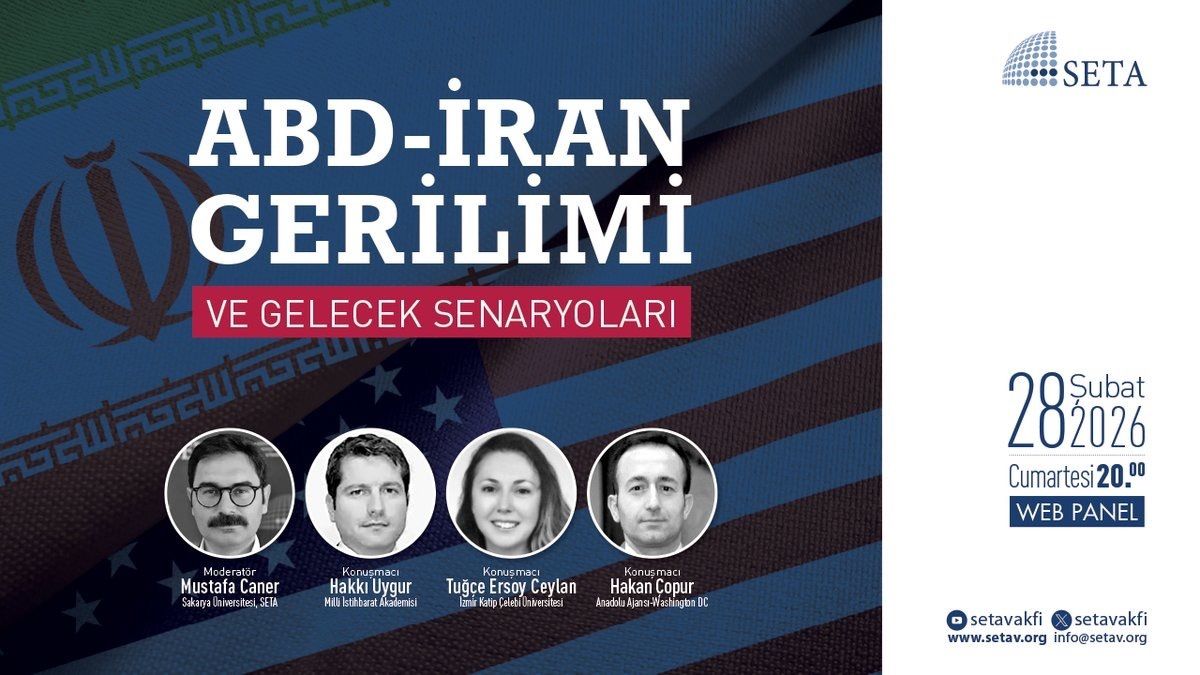
Turkey, historically balancing East-West, hosted a SETA panel (Haberler.com) debating scenarios, signaling neutrality while eyeing Syrian gains from weakened Iranian proxies. Jordan and Egypt have ramped up border security, with Amman whispering overtures to Tehran for de-escalation. Qatar, home to U.S. bases and Al Jazeera, faces dual pressures—its emir called for restraint, but social media buzzes with speculation of Doha mediating.
Emerging tensions: Iran's "war of wills" attacks on U.S. regional assets (France 24) have strained Iraq's fragile government, fracturing Shia coalitions. On X, @GulfAnalyst tweeted, "Saudi quiet on Khamenei? They're celebrating privately—new anti-Iran bloc forming," with 100K retweets. Newsmax highlights militia involvement, pushing Sunni states toward U.S.-Israel orbits. These shifts prioritize survival: neighbors hedge against Iranian retaliation while courting post-war influence.
The Economic Fallout: Beyond Oil Prices
War's economic shockwaves transcend oil, disrupting trade and prompting adaptive strategies. Strait of Hormuz closures halted 20% of global oil flows, surging prices to $110/barrel (France 24). But Gulf economies adapt: UAE diverts LNG routes via Saudi pipelines, while Oman explores neutral shipping corridors.
Sanctions redux bites: U.S. measures target Iranian banks, rippling to Turkish and Chinese firms with Tehran ties. Regional GDP forecasts dip 2-4%, per implicit analyses. Saudi Vision 2030 accelerates non-oil diversification; Aramco hedges with U.S. shale imports. Iraq's oil fields, militia-threatened, see Kurdish exports pivot to Turkey.
Social media reflects anxiety: TikTok's #HormuzCrisis videos, like influencer @EconWatchME's "Oil at $150? Gulf billionaires buying gold," hit 5M views. Countries recalibrate: Bahrain strengthens U.S. financial ties, while Kuwait eyes BRICS for sanction buffers. This war accelerates de-dollarization experiments in the Gulf, blending market resilience with geopolitical opportunism.
Predictive Analysis: What Lies Ahead for Iran and Its Neighbors
Forecasts hinge on escalation paths. Optimistic de-escalation: Iranian regime fractures post-Khamenei, leading to internal power struggles and ceasefire by mid-March, enabling Gulf mediation. Likelihood: 40%, buoyed by Newsmax's militia widening but fatigued proxies.
Pessimistic: Broader involvement, with Hezbollah unleashing on Israel and Houthis choking Red Sea—Russia/China supply Iran covertly. Oil could hit $150, per France 24 trajectories, dragging global recession. Regional pull-in: Turkey intervenes in Iraq; Saudi airstrikes on Yemen Houthis resume. Probability: 35%.
Wild card: New alliances emerge. Post-war, a Sunni bloc (Saudi-UAE-Israel-Turkey?) could dominate, sidelining Shia crescent. Or, if U.S. falters amid midterms (The Star), Europe steps up—Yle suggests Finnish-led EU naval patrols. Social sentiment on Reddit's r/geopolitics: "Gulf states win either way—war weakens Iran forever."
What This Means: The Future of Geopolitics in the Middle East
The Iran war's immediate blasts mask profound shifts: neighbors recalibrate from reactive hedging to proactive realignment, prioritizing energy security and anti-Iran coalitions. Historical tensions fueled this flashpoint, but economic adaptations and alliance fluxes will define outcomes. Understanding these undercurrents is crucial—ignoring them risks misjudging a Middle East remade not by bombs, but by boardroom diplomacy. As Trump presses on, the region's chessboard evolves, with Gulf pragmatism poised to reshape power for decades.
(Word count: 1,028)