
War in Ukraine: Russia Reports 1,180 Soldiers Lost in Past Day
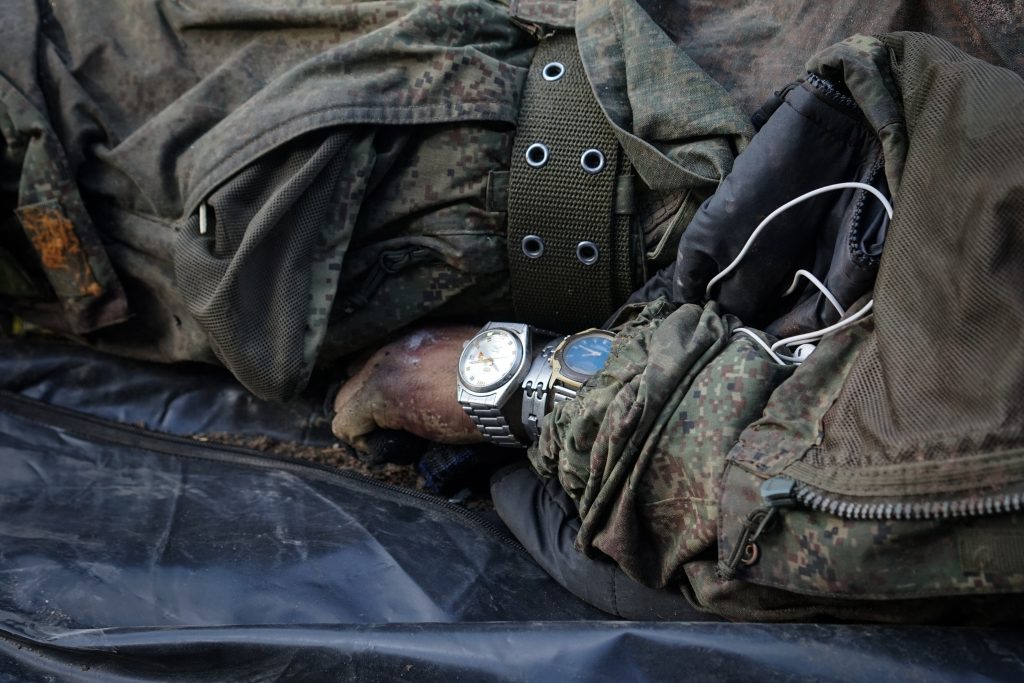
In the ongoing war in Ukraine, Russia has lost 1,180 soldiers killed and wounded over the past day, according to Ukraine's General Staff.[3] This figure underscores the intense combat activity along the front lines, as reported in the latest operational updates from Ukrainian military sources.
Overview of Recent Military Developments
Ukraine's General Staff has provided its latest assessment of Russian casualties, reporting that Russia lost 1,180 soldiers killed and wounded over the past day.[3] This daily tally is part of a consistent pattern of updates from Ukrainian military authorities, which track enemy losses amid sustained fighting across multiple sectors of the front. The reported figure reflects the high tempo of operations, where Russian forces continue to engage in assaults and defensive maneuvers, leading to significant personnel attrition. Such disclosures serve as a barometer for the conflict's intensity, highlighting the toll on invading troops as they push against Ukrainian defenses. While these numbers are operational estimates from one side, they contribute to the broader narrative of protracted warfare, where daily losses accumulate into substantial figures over time. The emphasis on both killed and wounded personnel in the report[3] illustrates the comprehensive impact of combat, including injuries that remove soldiers from the fight. This update arrives amid ongoing hostilities, reinforcing the perception of a grinding attritional conflict where neither side yields significant ground without cost.
Statements from Ukrainian Officials
Former Ukrainian Prime Minister Arseniy Yatsenyuk has articulated a stark view on achieving peace in the war in Ukraine, stating that the only way to secure real peace is to "fight like hell."[1] In an interview with ERR News, Yatsenyuk dismissed peace talks with Moscow as a "sham," arguing that negotiations under current conditions lack sincerity and fail to address the underlying aggression.[1] He further accused China of acting as an "accomplice" in Russia's war against Ukraine, pointing to Beijing's support for Moscow as enabling the continuation of hostilities.[1] Yatsenyuk's comments reflect a perspective rooted in skepticism toward diplomatic overtures, emphasizing military resolve as the path to lasting security. His background as a former leader lends weight to these remarks, positioning them as a call for unwavering commitment amid calls for de-escalation from various quarters. The full interview, available on news.err.ee, elaborates on these points, underscoring Yatsenyuk's belief that concessions in talks would undermine Ukraine's position.[1] This stance aligns with broader Ukrainian leadership narratives that prioritize strength on the battlefield over premature ceasefires.
International Dimensions of the Conflict
North Korea's leader Kim Jong Un has publicly praised soldiers who died by suicide to avoid capture while fighting in Ukraine, as reported by The Straits Times.[2] This endorsement highlights the involvement of North Korean troops in the war in Ukraine, where they have reportedly been deployed to support Russian forces. Kim's commendation frames such acts as heroic, emphasizing loyalty and sacrifice in the face of potential imprisonment.[2] The statement reveals the depth of Pyongyang's commitment to Moscow's campaign, marking a notable escalation in foreign participation. North Korean personnel losses in this context point to direct combat exposure, with Kim's praise serving as propaganda to bolster morale among deployed units. This development adds a layer of geopolitical complexity, as it demonstrates alliances beyond traditional partners, drawing in actors from East Asia into the European theater. The Straits Times coverage[2] positions this as a rare public acknowledgment from Kim, signaling ideological alignment with Russia's objectives and potential for further reinforcements.
Humanitarian Consequences
The full-scale invasion has triggered a protracted humanitarian crisis in Ukraine, with intensified hostilities and systematic strikes on energy infrastructure disrupting essential services such as heating, water, and healthcare, particularly in frontline areas.[4] This collapse of critical systems has compounded a massive displacement crisis affecting over 10 million people, exhausting local resources and straining response capacities.[4] Frontline communities bear the brunt, where the loss of heating during harsh winters exacerbates health risks, while water shortages hinder daily survival and sanitation. Healthcare disruptions mean delayed treatments and overwhelmed facilities, amplifying vulnerabilities among civilians caught in the crossfire. The REACH Initiative's research terms of reference[4] outline this as a rationale for studying humanitarian action through volunteers, enablers, and networks, underscoring the phase IV assessment planned through April 2026. Displacement on this scale—over 10 million individuals—has led to widespread internal and external migration, fragmenting families and communities. Local resources, already limited, are depleted by the dual pressures of infrastructure damage and population shifts, creating a cycle of need that demands sustained international attention. These effects persist as a direct consequence of the invasion's scope, transforming urban centers and rural areas alike into zones of acute hardship.[4]
Key Takeaways and Implications
The convergence of military, political, and humanitarian developments paints a picture of a multifaceted conflict with no immediate resolution in sight. Ukraine's General Staff report of 1,180 Russian losses in a single day[3] quantifies the human cost of ongoing operations, aligning with former Prime Minister Yatsenyuk's insistence on fighting aggressively for peace, while decrying talks as a sham and China as an accomplice.[1] North Korea's leader praising suicidal acts by his soldiers[2] exposes international entanglements that prolong the war, as foreign fighters absorb casualties alongside Russian troops. Paralleling these fronts is the humanitarian toll, where over 10 million displaced and services like heating, water, and healthcare collapse under strikes and hostilities.[4] Together, these elements[1][2][3][4] suggest a war sustained by external support and internal resolve, where daily battlefield reports intersect with diplomatic rhetoric and civilian suffering. The implications point to continued attrition, with Ukrainian perspectives prioritizing victory through strength and global actors deepening their stakes.
What to watch next: Monitor Ukraine's General Staff for updates on Russian losses,[3] responses to Yatsenyuk's call to fight amid peace talk skepticism,[1] further details on North Korean troop commitments following Kim's praise,[2] and progress in addressing the humanitarian crisis affecting over 10 million through disrupted services.[4]