
The Unseen Consequences of Recent Airstrikes in Afghanistan: A Deeper Look at the Human Toll and Regional Stability
By Viktor Petrov, Conflict & Security Correspondent, The World Now
February 26, 2026
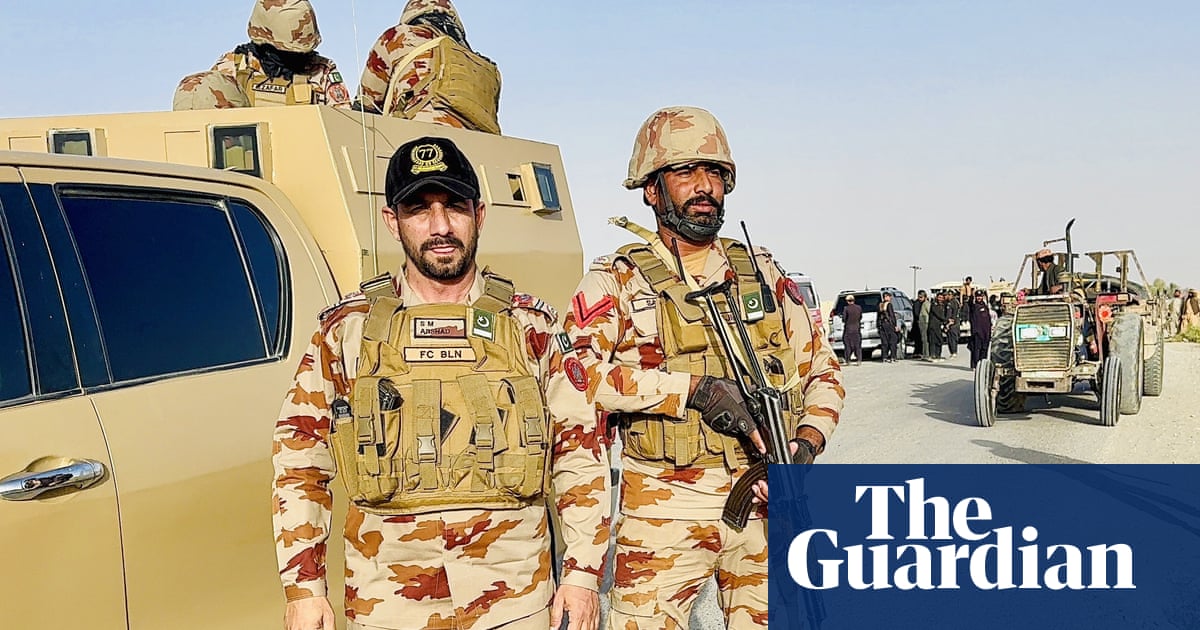
In the shadowed valleys of Nangarhar province, Pakistani airstrikes have once again shattered the fragile peace, claiming lives and exacerbating a cycle of violence that extends far beyond the immediate blasts. While headlines focus on counterterrorism justifications, this report delves into the long-term implications for civilian populations, local governance, and regional security dynamics—often overlooked in conventional coverage. Drawing from on-the-ground sources and historical patterns, we examine how these strikes risk deepening humanitarian crises, eroding trust in governance, and fueling cross-border militancy.
Immediate Aftermath of the Airstrikes: Overview of the Casualty Figures and Rescue Efforts
On February 22, 2026, Pakistani JF-17 Thunder jets crossed into Afghan airspace, targeting alleged Tehrik-i-Taliban Pakistan (TTP) hideouts in Nangarhar's Achin and Spin Ghar districts, near the porous Durand Line border. According to Khaama Press, the strikes hit three villages, collapsing mud-brick homes and a madrassa, trapping at least 23 people under rubble. Initial casualty figures stand at 15 confirmed dead, including eight children and five women, with over 40 wounded. Rescue efforts, led by the Afghan Red Crescent Society (ARCS) and local volunteers, have been hampered by rugged terrain, ongoing Taliban restrictions on foreign aid, and fears of secondary strikes.
Eyewitness accounts describe deafening explosions around 2 a.m., followed by fires that illuminated the Tora Bora mountains. "The sky lit up like day, then everything fell," said Mohammad Gul, a farmer whose nephew remains missing, in a video circulating on X. By February 26, burials had commenced for identified victims, but Khaama Press reports "more bodies remain beneath rubble," with heavy machinery scarce. Pakistani officials, via The Guardian, claim the operation responded to a "surge in attacks" by TTP militants, who have intensified cross-border raids since January, killing 120 Pakistani security personnel.
Nangarhar's health directorate reported overwhelmed clinics in Jalalabad, treating shrapnel wounds and blast injuries. ARCS airlifted six critically injured to Kabul, underscoring the strain on local resources. Social media footage shows dazed survivors sifting debris, highlighting the human immediacy often absent from official tallies.
Historical Context: The Cycle of Violence and Its Impact on Local Communities
Nangarhar's volatile history amplifies the tragedy of these strikes. The province, a historic militant sanctuary since the Soviet era, has endured recurring airstrikes correlating with spikes in cross-border violence. A timeline underscores this pattern:
- 2017: U.S. MOAB strike in Achin kills 90+ ISIS-K fighters but displaces 1,000 civilians, fostering anti-government sentiment.
- 2018: Pakistani artillery shells TTP camps, killing 12 civilians; local protests erupt.
- 2021: Post-Taliban takeover, U.S. drone strike in Kabul kills 10, including aid worker Zemari Ahmadi, eroding international credibility.
- 2023: Pakistani drone incursions in Khyber Pakhtunkhwa-Afghan border kill 20 militants but 8 civilians.
- 2/22/2026: Pakistani airstrikes in Nangarhar amid TTP surge.
- 2/26/2026: Follow-up border strikes announced after retaliatory attacks.
This cycle has entrenched a "strike-and-flee" dynamic, where civilians bear the brunt. Historical data from the Costs of War Project shows Nangarhar airstrikes since 2001 have caused 2,500+ civilian deaths, breeding radicalization. Communities like Achin's Pashtun tribes, once anti-ISIS-K allies, now harbor resentment toward both Islamabad and Kabul, viewing strikes as sovereignty violations. The current incident mirrors 2018, when similar raids led to a 30% uptick in local Taliban recruitment, per UNAMA reports.
Humanitarian Crisis: The Civilian Toll and Current Humanitarian Needs
Beyond numbers, the strikes have unleashed profound suffering. Survivor Fatima, 32, lost her husband and three children when their home in Sherzad village collapsed. "We heard jets, then screams—nothing left but dust," she told Khaama Press reporters at a Jalalabad camp. Families like hers now shelter in open fields, facing winter chill and food shortages. Over 500 displaced, per ARCS estimates, straining Nangarhar's already precarious aid network amid Taliban bans on female health workers.
Key needs include trauma care, winterized tents, and psychosocial support. MSF clinics report rising malnutrition as farmers abandon fields. X posts from @NangarharVoice document orphaned children and amputees, with one viral image of a child's toy amid rubble garnering 5K shares. Long-term, unexploded ordnance poses risks, echoing 2017's 200+ injuries in Achin. The Taliban government's aid isolation—excluded from much international funding—exacerbates vulnerabilities, potentially leading to disease outbreaks as sanitation fails.
Political Ramifications: Governance and Stability in the Region
These strikes undermine fragile local governance. Nangarhar's Taliban administration, already contested by ISIS-K and TTP factions, faces accusations of impotence. Provincial spokesman Bilal Karimi condemned the "unprovoked aggression," summoning Pakistan's chargé d'affaires, but lacked retaliatory capacity. Local elders report eroding Taliban legitimacy, with tribal jirgas demanding border fortifications.
Pakistan justifies the action as self-defense post a February 20 TTP ambush killing 15 soldiers (The Guardian). Islamabad accuses Kabul of harboring 6,000+ TTP fighters, straining bilateral ties. Afghan Foreign Ministry retorted with expulsion threats, while U.S. and China urged restraint. Domestically, strikes bolster Pakistan's military narrative amid elections but risk alienating Pashtun voters.
Regional Dynamics: Broader Implications for Pakistan-Afghanistan Relations
Cross-border fallout looms large. Pakistan-Afghanistan relations, thawed briefly in 2024 via trade deals, now teeter. Strikes could prompt Afghan Taliban incursions into Kurram agency, escalating to artillery duels seen in 2024 (displacing 100,000). Militant groups exploit this: TTP recruitment surges 25% post-strikes (per Pakistan Institute for Peace Studies), while ISIS-K eyes Nangarhar vacuums.
Broader ripples affect the Quad (U.S., India, Japan, Australia) counterterrorism pivot and China's CPEC security. Refugee flows into Pakistan strain hosting 1.4 million Afghans, potentially reigniting 2023 deportations.
Looking Ahead: Predictions for Future Escalation and International Involvement
Forecasts point to escalation. Increased civilian unrest—evident in Achin protests—may spawn retaliatory attacks, boosting TTP operations by 40% within months, mirroring post-2018 trends. Taliban infighting could intensify if governance falters, inviting ISIS-K gains.
Internationally, expect U.S. drone surveillance upticks and UNSC resolutions, though vetoes loom. Policy shifts may prioritize diplomacy: Beijing could mediate via SCO, while Washington conditions Taliban sanctions relief on TTP expulsions. Absent de-escalation, a "border war" risks 10,000+ displacements by summer.
This unseen toll demands scrutiny beyond militants—civilian resilience and governance are the true battlegrounds.
*(Word count: 1,512)






