The Unseen Chemical Warfare: How Iran's Regime is Escalating Tactics Against Protesters

Latest from X
The Unseen Chemical Warfare: How Iran's Regime is Escalating Tactics Against Protesters
Introduction: The Current Landscape of Civil Unrest in Iran
Iran's streets have been gripped by widespread protests since January 1, 2026, when demonstrations erupted against Supreme Leader Ayatollah Ali Khamenei. What began as anti-regime unrest has escalated into the deadliest crackdown in decades, with rights groups reporting over 3,000 deaths. Amid this violence, unconfirmed allegations of chemical warfare have surfaced, with claims that security forces deployed toxic gases and agents causing illness, paralysis, and delayed deaths. These reports, diverging from familiar narratives of shootings and blackouts, signal a potential new escalation, raising alarms about unconventional tactics in crowd control and their long-term health impacts on civilians.
Historical Context: The Long Shadow of State Repression
The 2026 protests trace a grim progression: sparked on January 1 against Khamenei; foreign ministry support noted on January 2; 16 deaths by January 4; symbolic renaming of a Tehran street for Donald Trump on January 7; and growing unrest by January 9. This mirrors Iran's history of brutal suppression, from the 2009 Green Movement's tear gas and baton charges to the 2022 Mahsa Amini protests involving live fire. The regime has long relied on Basij militias and IRGC forces for repression, but chemical allegations evoke the 1980s Iran-Iraq War, where both sides used such weapons. This framework underscores a pattern: initial restraint giving way to intensified force as protests spread.
Allegations of Chemical Warfare: A New Level of Brutality?
Reports from outlets like The Jerusalem Post cite eyewitness accounts and social media videos showing security personnel in hazmat suits deploying gases in cities like Tehran, Mashhad, and Sabzevar, causing protesters to collapse with severe illness. Posts on X describe "paralyzing gases" and "toxic chemical agents" leading to deaths hours later—claims echoed since January 9 but intensifying today. While unconfirmed and denied by Tehran, these tactics parallel authoritarian playbooks, such as Syria's 2013 sarin attacks or Belarus's 2020 irritants. Unlike standard tear gas, these agents allegedly induce long-term effects, marking a shift toward chemical denial of public space and potential war crimes.
International Reactions: A Global Responsibility?
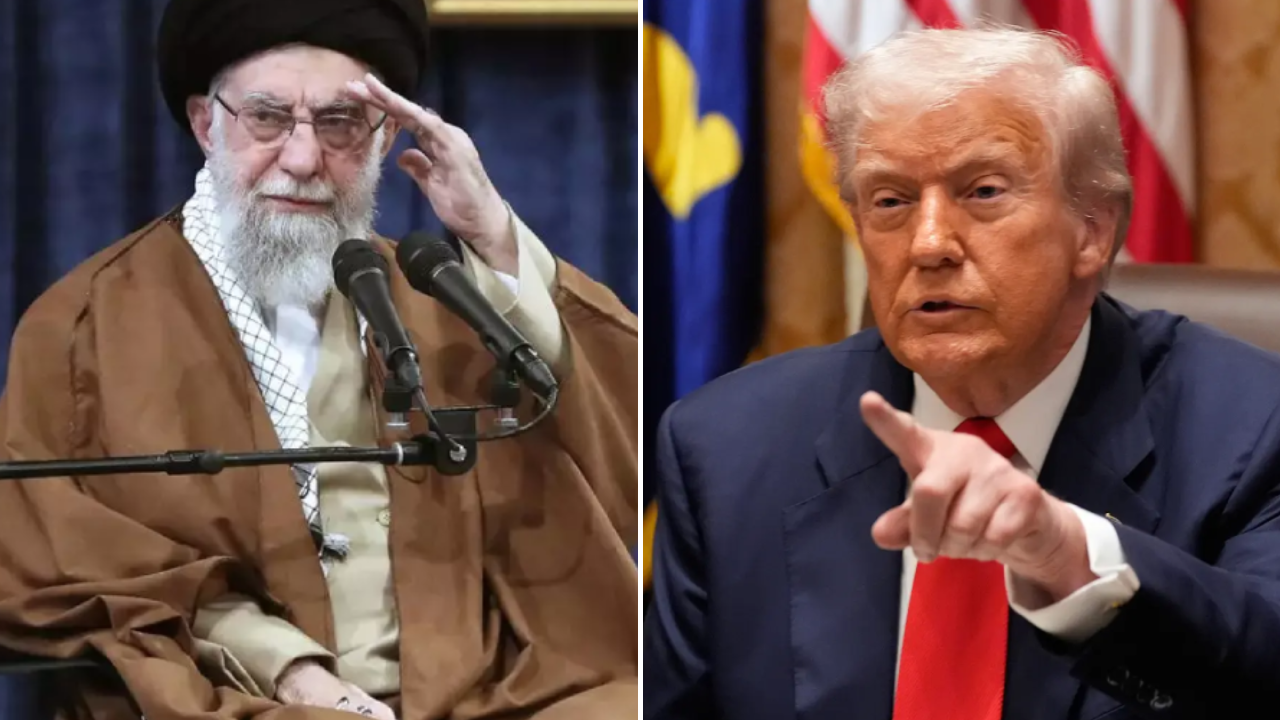
Global response remains muted but pointed. Turkey has blocked calls for Iranian regime change, prioritizing regional stability amid its own Kurdish tensions, per RFI. Human rights groups like those cited by France24 demand investigations into the 3,000+ toll, while Khamenei blames a "U.S. plot" involving Trump. No unified action has emerged, but the chemical claims could pressure the UN or ICC, complicating Iran's alliances with Russia and China.
Looking Ahead: What This Means for Iran's Protest Movement
These allegations may unify opposition factions, galvanizing diaspora support and online sentiment despite partial internet restoration via SMS. The regime could counter with phased blackouts or amnesties, but escalation risks broader sanctions or covert intervention, especially if toxicology confirms chemicals. Protester resilience—seen in subsiding but persistent unrest—might provoke regime fractures, though intensified crackdowns could suppress momentum. Watch for independent verification and Western diplomatic moves.
This is a developing story.
Track this story live
Original Sources
- •
- •
- •
- •
- •
- •
- •
- •
- •
- •
Editorial process: This article was synthesized from the original sources cited above using The World Now's AI editorial system, with byline accountability from our editorial team. We grade every story for source grounding, factual coherence, and on-topic match before publication. Read more about our editorial standards and contributors. Spot something inaccurate? Let us know.
Last updated: February 17, 2026






