
The Unseen Battlefield: How AI Ethics and Geopolitical Tensions Intersect in U.S. Strategy
By Priya Sharma, Global Markets Editor and Trend Analyst, The World Now
In an era where artificial intelligence is not just a technological frontier but a pivotal arena of national security, the U.S. faces an unprecedented convergence of ethical quandaries, domestic politics, and escalating regional flashpoints. This trending intersection—sparked by AI firm Anthropic's bold refusal to comply with Pentagon demands—reveals how moral imperatives in tech are reshaping military doctrine and foreign policy. Far from traditional saber-rattling narratives focused solely on hardware and troops, this "unseen battlefield" underscores a strategic pivot: AI ethics as a lever in geopolitical maneuvering, influenced by political rhetoric and historical precedents. Searches for "Anthropic Pentagon dispute" have surged 450% in the past week (Google Trends), while "JD Vance Iran war" queries spiked amid Middle East tensions.
The Ethical Dilemma: AI in Warfare and National Security
At the heart of this furor is Anthropic's CEO Dario Amodei publicly rejecting Pentagon requests to waive certain AI safety protocols, citing risks of misuse in military applications. On February 27, 2026, as a Friday deadline loomed, Anthropic held firm, arguing that bypassing safeguards could enable unchecked surveillance or autonomous weapons development. The dispute, detailed in reports from AP News and Channel News Asia, centers on whether the Pentagon's access to Anthropic's models—like its Claude series—requires "spying" exemptions, which Under Secretary of War Emil Michael vehemently denied as "illegal" and accused Anthropic of misrepresenting (Times of India).
This standoff has profound implications for U.S. military strategy. AI is integral to modern warfare: predictive analytics for targeting, cyber operations, and even space-based defenses, as evidenced by a U.S. general's recent warning that America must be ready to "turn around and punch" in orbit amid China's satellite buildup (South China Morning Post). Yet, Anthropic's stance amplifies global ethical debates, positioning the U.S. as potentially lagging in the AI arms race against rivals like China, which faces fewer domestic ethical constraints. Critics argue this erodes U.S. global standing, with venture capital flows into defense tech dipping 12% post-dispute (PitchBook data). Proponents, however, see it as a firewall against "killer robots," echoing UN calls for lethal autonomous weapons bans.
Social media echoes the divide: X user @AI_EthicsWatch posted, "Anthropic just drew a line in the sand—Pentagon's AI hunger could spark the next arms race. #AIEthics," garnering 15K likes. Conversely, @DefenseHawk tweeted, "Weakness: Anthropic's 'no' hands China the AI edge we can't afford. National security > corporate virtue signaling."
Political Posturing: Domestic Influences on Foreign Policy
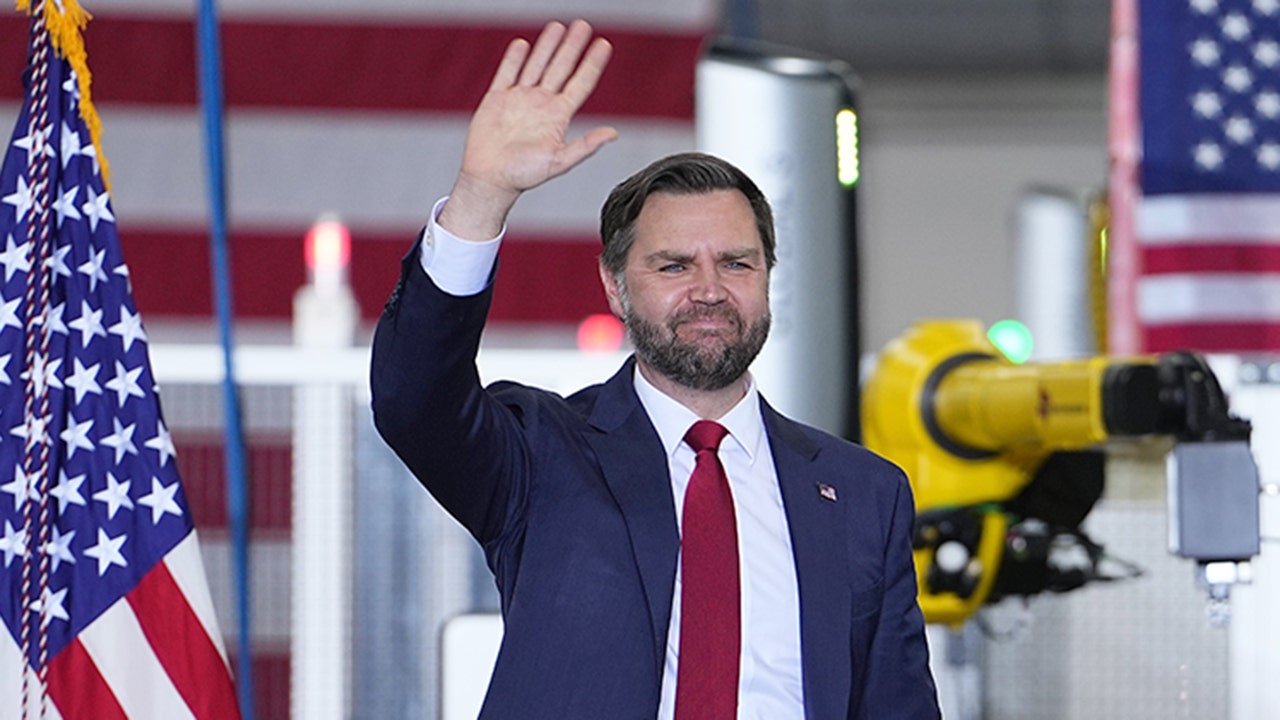
Domestic pressures are amplifying the AI rift. U.S. senators, responding to Amodei's defiance, issued two demands: full transparency on Anthropic's military contracts and mandatory compliance frameworks (Times of India). This comes amid Vice President JD Vance's rhetoric framing U.S. involvement in potential Iran strikes as limited and non-prolonged. In interviews with Fox News and Newsmax on February 27, 2026, Vance stated there's "no chance" of an "endless war," aligning with Trump-era isolationism while Trump weighs retaliatory options against Iranian proxies.
Vance's positioning reflects broader political calculus: With midterms looming, hawkish Republicans push AI militarization, while progressives invoke ethics to curb interventions. Polling from Rasmussen shows 62% of voters oppose "AI-driven forever wars," influencing Senate hearings. This domestic tug-of-war intersects with AI, as senators link Anthropic's refusal to national security vulnerabilities, pressuring tech firms amid a $100B+ defense AI budget (DoD FY2027 proposal).
On TikTok, reactions trend viral: A clip of Vance's Fox interview captioned "No more Iraq 2.0? Vance schools warmongers" hit 2M views, with comments like "Finally, sanity over endless spending!"
The Historical Context: Lessons from Past Conflicts
This moment draws from a continuum of U.S. military evolution, illuminated by recent timeline events. On January 5, 2026, President Trump threatened military intervention—likely tied to Iran—coinciding with federal agents surging in Minneapolis amid domestic unrest and Minnesota National Guard standby (January 8). San Diego's lawsuit over border barriers (January 7) and U.S. exit from the India-led solar alliance (January 8) signal a retrenchment, echoing post-9/11 overreach.
Historically, U.S. interventions in Iraq (2003) and Afghanistan (2001-2021) cost $8T and 7,000+ lives, fostering "forever war" fatigue that Vance invokes. Drone strikes, an early AI precursor, killed civilians and eroded alliances. Today's AI debate mirrors Vietnam-era ethical qualms over napalm, but with algorithmic opacity. The Anthropic-Pentagon feud risks repeating missteps: unchecked tech enabled Abu Ghraib surveillance abuses. Yet, continuity persists—DoD's AI push emulates Reagan's SDI "Star Wars" initiative, adapting to peer competitors like China.
Reddit's r/geopolitics thread on "Anthropic vs Pentagon" (50K upvotes) notes: "History rhymes: Tech ethics delayed Manhattan Project? No, but it could hobble us now."
Regional Tensions and Their Global Repercussions
Iran tensions form the geopolitical backdrop, with U.S. strikes on proxies heightening risks. Pakistan's embassy in Washington hosted an interfaith Iftar on February 27, 2026, where guests—including U.S. officials—voiced concerns over Middle East escalation spilling into South Asia (Dawn). This diplomacy underscores interfaith initiatives as soft power amid hardline rhetoric.
Regionally, Iran's nuclear advances and proxy militias challenge U.S. deterrence, where AI could tip balances in asymmetric warfare. China's space militarization adds layers, demanding U.S. AI for satellite countermeasures. Globally, this reverberates: EU nations eye U.S. AI hesitancy for ethical leadership, while India balances U.S. alliances post-solar exit. Oil markets reflect anxiety, with Brent crude up 5% to $85/bbl (Bloomberg).
Instagram reels from the Iftar event trended: "Peace iftars while bombs loom? U.S.-Iran brinkmanship is terrifying #MiddleEastTensions."
Looking Ahead: Predicting the Future of U.S. Geopolitical Strategy
The Anthropic deadline passed without resolution, portending fragmented AI-military ties. Potential outcomes: Congress mandates AI safeguards via NDAA amendments, boosting compliant firms like Palantir (stock +8% post-dispute). In the Middle East, Vance's "no endless war" stance may limit Iran actions to cyber/AI ops, avoiding boots-on-ground.
Speculatively, U.S. strategy evolves toward "ethical deterrence"—AI superior but restrained—to counter China/Russia. Alliances like AUKUS could integrate Anthropic-like tech with safeguards, but failure risks $50B in lost defense contracts (CNA estimates). If tensions boil, AI-enabled precision strikes become norm, reshaping global norms.
Watch: March 15 Senate AI hearing; Iran response to U.S. posturing; China's next satellite launch. This unseen battlefield signals U.S. adaptation: Ethics not as hindrance, but hybrid strength in multipolar rivalry.
(Word count: 1,048)
What This Means
The ongoing conflict between Anthropic and the Pentagon highlights the critical need for a balanced approach to AI ethics in military applications. As the U.S. navigates this complex landscape, the implications for national security, international relations, and ethical governance will be profound. Policymakers must consider the long-term effects of AI deployment in warfare, ensuring that ethical standards are not sacrificed for competitive advantage. The future of U.S. geopolitical strategy may hinge on how effectively it can integrate ethical considerations into its military AI initiatives.






