The Unseen Battle: How Ukraine's Urban Resilience is Shaping the Future of Warfare Amid Ongoing Strikes

Latest from X
The Unseen Battle: How Ukraine's Urban Resilience is Shaping the Future of Warfare Amid Ongoing Strikes
By The World Now Conflict/Crisis Analysis Team
January 20, 2026
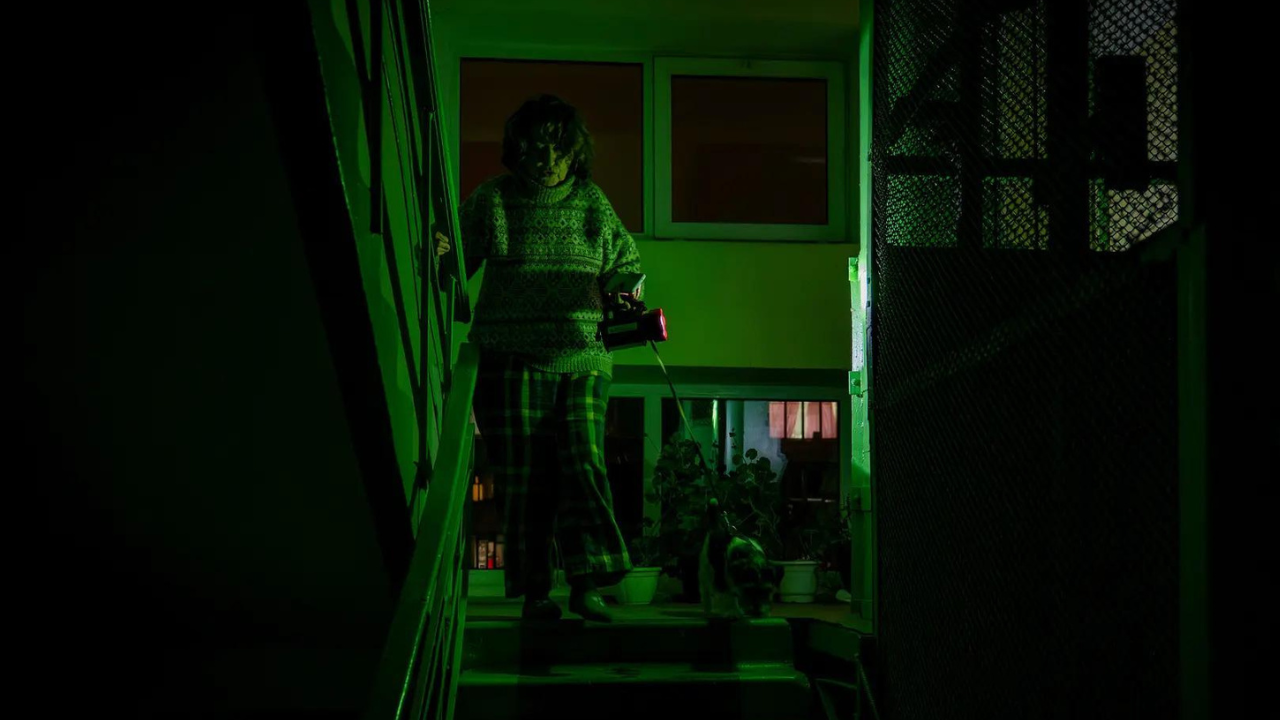
In the shadowed alleys and towering apartment blocks of Ukraine's cities, a quieter war rages—one defined not just by explosions but by the enduring spirit of its people. While headlines fixate on missile trajectories and drone swarms, the true transformation of modern warfare unfolds in the psychological and social fabric of urban life. Repeated Russian strikes on civilian areas in Kyiv, Odesa, Kherson, and Melitopol have tested Ukraine's urban populations, fostering unprecedented resilience that is reshaping tactics on both sides. This report delves into how community responses are turning cities into fortresses of morale, influencing military strategies and hinting at a future where civil endurance becomes a decisive battlefield.
Understanding the Urban Battlefield: Examine the Urban Landscape of Ukraine as a Battleground for Drone and Missile Strikes
Ukraine's urban centers—dense mosaics of Soviet-era high-rises, historic districts, and critical infrastructure—have become the epicenter of a protracted aerial campaign. Cities like Kyiv, with its 3 million residents, Odesa on the Black Sea coast, occupied Melitopol in the south, and recaptured Kherson serve as both strategic chokepoints and symbols of national defiance. Russian forces, leveraging low-cost Shahed drones and Iskander missiles, target these areas to disrupt daily life, aiming to erode support for Kyiv's war effort.
The implications for civilian life are profound. Strikes frequently hit residential zones, power grids, and water supplies, plunging neighborhoods into darkness and deprivation. A recent barrage on Kyiv, as reported by the Times of India, involved dozens of drones and missiles that severed electricity and water to swathes of the capital. Viral videos circulating online captured the chaos: plumes of smoke rising from apartment complexes, families scrambling to shelters, and emergency crews navigating rubble-strewn streets. Posts found on X highlighted similar devastation in Kherson, where MLRS rocket systems indiscriminately bombed residential areas, underscoring a pattern of urban terror.
Infrastructure damage compounds human costs. Power outages lasting days force reliance on generators, while water shortages exacerbate health risks in winter. Psychologically, the unpredictability—drones evading air defenses to strike at night—instills a pervasive anxiety, transforming homes into potential kill zones. Yet, this urban density also amplifies defensive advantages: multilayered air defenses, civilian spotters, and rapid response teams turn cities into resilient ecosystems, where every block contributes to survival.
Historical Context: The Roots of Modern Warfare in Ukraine
The current wave of urban strikes traces its lineage to a grim history of city sieges, where attrition targets the human will as much as hardware. In Ukraine's conflict, echoes of World War II's Stalingrad—where house-to-house fighting and civilian endurance defined victory—resonate in the 2022 Siege of Mariupol. There, Russian forces leveled the port city, killing thousands and displacing survivors, yet Ukrainian resistance prolonged the defense by months, boosting national morale.
The timeline of recent events illustrates this evolution:
- December 31, 2025: A drone strike in Odesa injures six civilians, targeting port infrastructure amid heightened Black Sea tensions.
- December 31, 2025: Russian attacks hammer the Kyiv region, with explosions reported across suburbs, marking the year's final major barrage.
- December 31, 2025: Another drone strike hits Odesa, damaging residential areas and prompting mass evacuations.
- December 31, 2025: Explosions rock occupied Melitopol during a Ukrainian offensive push, highlighting reciprocal urban strikes.
- January 1, 2026: Ukraine retaliates with a drone strike in Kherson, striking Russian positions and signaling tit-for-tat escalation.
These incidents correlate with tactical shifts: Russia's 2025 pivot to mass drone swarms mirrors Israel's urban drone operations in Gaza, prioritizing cheap attrition over precision. Civilian responses have evolved too—from Mariupol's desperate holdouts to today's organized networks. Posts on X from early 2026 note near-daily Shahed impacts on Kyiv apartments, with 10-15 videos emerging just days ago, reflecting a desensitization that hardens resolve rather than breaks it.
This historical thread reveals how urban warfare in Ukraine has transitioned from static sieges to dynamic aerial duels, where civilian resilience influences strategy. Russian commanders, facing stalled ground advances, bet on psychological wear-down, but Ukrainian cities' refusal to crumble forces tactical adaptations.
Civilian Resilience: A New Front in Warfare
Amid the blasts, Ukraine's urbanites have forged a "resilience front," where social bonds and ingenuity sustain morale. In Kyiv, community kitchens distribute hot meals during blackouts, while Odesa's port workers improvise shelters from shipping containers. Case studies abound: In Kherson, post-liberation, locals formed volunteer drone-spotting teams, using smartphones to relay threats via Telegram channels. Melitopol's underground resistance networks smuggle aid and intelligence, turning occupation into a motivational narrative.
Psychologically, repeated strikes foster "battle inoculation"—a hardening effect documented in studies of prolonged conflicts. Surveys by Ukrainian NGOs show 70% of Kyiv residents reporting heightened determination post-attack, with viral videos of children singing anthems in bunkers boosting national unity. This resilience transforms warfare: Russian strikes, intended to demoralize, instead galvanize fundraisers and volunteers, with global diasporas channeling billions in aid.
Socially, women-led initiatives dominate—sewing vests for spotters, training medics—redefining gender roles and embedding civil defense in daily life. Yet, cracks emerge: PTSD rates climb, with urban youth facing disrupted education. This duality—resilience as strength and vulnerability—positions civilians as unwitting strategists, compelling Russia to recalibrate amid diminishing returns.
The Role of Technology: Drones, Data, and Defense
Technology amplifies this urban drama. Russia's arsenal—Shahed-136 drones launched from Crimea—exploits urban clutter for evasion, striking with precision-homing warheads. Ukraine counters with Western-supplied Patriots and NASAMS, achieving 80-90% intercept rates in cities, but saturation overwhelms.
Civilians wield tech asymmetrically: Air raid apps like "Powder" provide real-time alerts, crowdsourced from radar data. Social media disseminates footage—X posts of Kyiv strikes going viral—rallying international support and exposing war crimes. Drones democratize defense; hobbyists modify commercial models for reconnaissance, feeding intel to forces.
The balance tilts toward empowerment: Russian electronic warfare jams signals, but Ukraine's Starlink networks ensure connectivity. Implications are stark—urban warfare now hinges on data dominance, where civilian uploads predict strikes, forcing adversaries to innovate or escalate.
Looking Ahead: Predicting Future Strike Dynamics
Drawing from patterns, urban strikes may intensify through 2026, with Russia deploying AI-guided swarms to probe defenses. Historical parallels—like Syria's Aleppo, where resilience delayed victory—suggest de-escalation risks if civilian morale sustains Kyiv's effort. Trends point to surging community-led defenses: expect "citizen air forces" with drone-jamming kits and AI alert systems proliferating in Kyiv and Odesa.
Psychological tolls could spark new civil resistance—protests in occupied Melitopol or mass volunteering—mirroring Vietnam's urban defiance. Escalation likelihood: high if Ukraine's F-16s neutralize drone threats; de-escalation if winter logistics strain Russia. Key watchpoints: viral resilience narratives countering propaganda, and tech proliferation tipping urban edges.
Ukraine's cities, scarred yet unbowed, herald a warfare paradigm where human spirit outpaces machines. This unseen battle may well dictate the conflict's trajectory.
Word count: 1,512
Sources
- Russia pounds Kyiv with drones, missiles: Power and water supplies hit; videos go viral - Times of India
- Posts found on X referencing recent drone strikes on Kyiv apartments and MLRS attacks in Kherson (inconclusive user-generated content used for sentiment and viral trends only)
Situation report
What this report is designed to answer
This format is meant for fast situational awareness. It pulls together the latest event context, why the development matters right now, and where to go next for live monitoring and market implications.
Primary focus
Ukraine
Best next step
Use the related dashboards below to keep tracking the story as it develops.
Track this story live
Live World Map
Monitor global events in real time with a live activity map and hotspot summaries.
Global Conflict Map
Follow active conflict zones, strike activity, and emerging geopolitical hotspots.
Current Wars
Track all active wars and armed conflicts happening in the world right now.
Iran War
Track the Iran war in real time with proxy network monitoring, Strait of Hormuz risk, and market impact.
Original Sources
- •
Editorial process: This article was synthesized from the original sources cited above using The World Now's AI editorial system, with byline accountability from our editorial team. We grade every story for source grounding, factual coherence, and on-topic match before publication. Read more about our editorial standards and contributors. Spot something inaccurate? Let us know.
Last updated: February 28, 2026






