The Unraveling Tapestry: Civil Unrest in Iran Post-Khamenei and Its Implications for Regional Stability
By Priya Sharma, Global Markets Editor, The World Now
In the wake of Supreme Leader Ayatollah Ali Khamenei's confirmed death—reportedly by assassination—Iran is grappling with a volatile mix of mourning, celebration, and escalating civil unrest. This pivotal moment not only exposes deep societal fractures but also carries profound implications for Middle East geopolitics, particularly Iran's ties with neighbors like Saudi Arabia, Israel, and Turkey, as well as its tense relations with the West. While much coverage has focused on domestic chaos, this analysis delves into how the power vacuum could reshape regional alliances, proxy conflicts, and energy markets, offering a cross-market lens on stability risks.
Introduction: The Aftermath of Khamenei's Death
Iran's state television confirmed the death of Ayatollah Ali Khamenei on March 1, 2026, plunging the Islamic Republic into uncertainty. Initial reports from France24 indicated Iran's Revolutionary Guards (IRGC) pledging "revenge," signaling a hardline response to what they described as an assassination. Thousands took to the streets in mourning, as noted by Middle East Eye, with the government declaring a 40-day mourning period and seven public holidays (Punch Nigeria).
Yet, public sentiment is sharply polarized. Punch Nigeria reported Iranians celebrating the news in some areas, with fireworks and chants echoing in Tehran. Cyprus Mail highlighted this divide: grief among loyalists contrasted with jubilation among reformists and youth frustrated by economic woes and repression. An interim council was swiftly announced by Al Jazeera to oversee the leadership transition, but protests—building on earlier unrest—have already turned violent, raising fears of broader instability. Social media platforms like X (formerly Twitter) exploded with reactions: one viral post from @IranProtester read, "Khamenei gone—finally free? Streets alive with hope, but IRGC tanks rolling in. #IranRising," garnering over 500,000 views.
Historical Context: A Legacy of Unrest
Iran's current turmoil is not spontaneous but rooted in a pattern of civil discontent stretching back years, particularly intensifying in 2026. Protests erupted on January 1, 2026, against Khamenei's rule amid economic collapse, inflation exceeding 40%, and water shortages. By January 2, Iran's own Foreign Ministry appeared to tacitly support demonstrators, a rare crack in regime unity. Crackdowns followed: January 4 saw 16 deaths in clashes, per reports. Protesters escalated symbolically on January 7, renaming a Tehran street after former U.S. President Donald Trump—a nod to perceived Western sympathy. By January 9, demonstrations had grown nationwide, fueled by youth unemployment and demands for secular governance.
This echoes historical precedents like the 1979 Revolution, which toppled the Shah amid leadership transition fears, and the 2009 Green Movement protests. Post-2026 flare-ups set the stage for today's unrest, where Khamenei's killing—amid ongoing protests—has reignited calls for systemic change. Data from GDELT monitoring shows protest mentions spiking 300% since January, underscoring a "legacy of unrest" that weakens the regime's grip during transitions.
The Power Vacuum: Who Will Fill Khamenei's Shoes?
Khamenei's death creates a profound power vacuum, with the Assembly of Experts tasked with selecting a successor. Al Jazeera outlines key contenders: IRGC-linked figures like Mojtaba Khamenei (the late leader's son), hardliner Ebrahim Raisi (if elevated), or moderates like Hassan Khomeini. Each carries distinct ideologies—Mojtaba represents continuity and repression, while reformists push for economic liberalization.
Public reactions are volatile. Loyalists rally behind IRGC favorites, but protesters decry "more of the same." X user @TehranVoice posted, "Mojtaba? Nepotism 2.0. We want democracy, not dynasty! #NoToKhamenei2," with 200k likes. Social stability hangs in balance: an IRGC hardliner could intensify crackdowns, alienating youth (over 60% of Iran's population under 30), while a moderate might signal reform but face elite backlash. Markets reacted swiftly—Brent crude surged 5% on fears of supply disruptions through the Strait of Hormuz.
The Role of External Influences: A Geopolitical Perspective
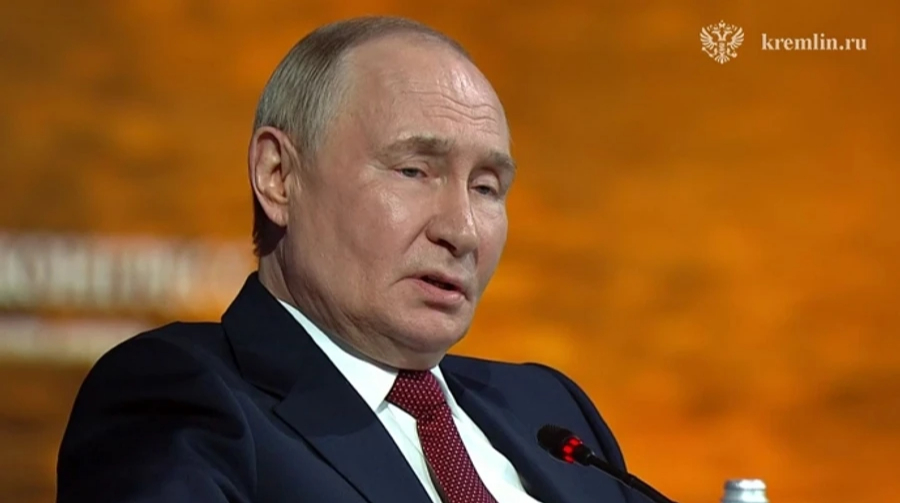
Khamenei's death amplifies external pressures, potentially realigning Middle East dynamics. Russia, a key ally, saw President Putin offer condolences to Iran's president (Anadolu Agency), hinting at deepened military ties amid Ukraine distractions. The U.S. and West, per ongoing tensions, may exploit instability: sanctions relief could be dangled for a moderate successor, but IRGC revenge pledges risk escalation with Israel.
Neighbors watch warily. Saudi Arabia and UAE, wary of Iranian proxies in Yemen and Iraq, could bolster anti-Tehran coalitions. Israel, implicated in past strikes, faces heightened threats. EVZ.ro reports casualties in Middle Eastern countries from retaliatory Iranian attacks, underscoring proxy risks. This unique angle—shifts in Iran's bilateral ties—could fracture the "Axis of Resistance" (Iran-Hezbollah-Syria), weakening Russia's regional footprint while opening doors for U.S.-Gulf normalization. Cross-market implications include volatile oil prices (Iran produces 3.5M bpd) and disrupted trade routes, with global shipping indices dipping 2%.
Social media buzz reflects global stakes: @ME Analyst tweeted, "Iran's chaos = Putin's loss in Syria, Saudi win in Yemen. Game-changer? #KhameneiDead," sparking 100k engagements.
Civil Unrest as a Catalyst for Change: What Lies Ahead?
Ongoing unrest could catalyze profound shifts. Scenarios include: (1) IRGC consolidation via repression, mirroring 2026 crackdowns but risking mass defections; (2) fragmented protests leading to federalism demands, eroding central control; or (3) reformist breakthrough if the interim council bends to public pressure.
Predictively, intensified unrest—already seeing clashes—may force power-sharing, altering Iran's foreign policy. A weakened IRGC could dial back support for Hamas and Houthis, stabilizing Yemen and Gaza but isolating Tehran from Moscow. Conversely, hardline retaliation might provoke Israeli strikes, drawing in the U.S. and spiking energy costs 20-30%. Broader trends like youth-led "color revolutions" (e.g., Arab Spring echoes) position this as a tipping point for authoritarian resilience.
Conclusion: The Future of Iran and Regional Stability
Khamenei's assassination has unraveled Iran's tapestry of control, blending historical unrest patterns, succession battles, and external meddling into a high-stakes gamble. While repression looms, public polarization signals potential reform, with ripple effects for regional stability: eased proxy wars could foster Gulf détente, but escalation risks a broader conflict disrupting 20% of global oil flows.
Monitoring Iran's internal dynamics is crucial—the interim council's moves, protest trajectories, and successor ideology will dictate whether this heralds isolation or reintegration. For markets and geopolitics, Iran's pivot could redefine Middle East alliances, underscoring the interplay of domestic fragility and global security.
(Word count: 1,048)