
The Unfolding Crisis: Iran's Protests, a Struggle for Economic Justice Amid Political Turmoil
Overview of the Protests
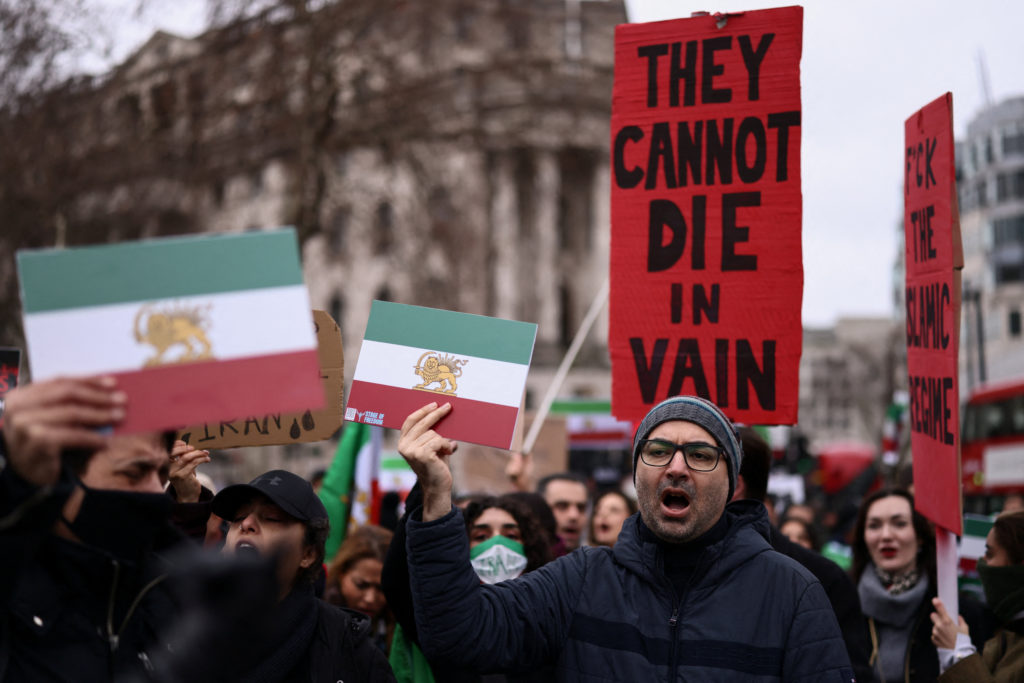
Protests have gripped Iran since January 1, 2026, when demonstrations erupted against Supreme Leader Ayatollah Ali Khamenei, initially sparked by soaring inflation and currency devaluation. By January 9, the unrest had grown widespread, with crowds in Tehran and other cities chanting for economic relief amid reports of police crackdowns. Activists, citing confirmed figures from human rights monitors, report at least 6,159 deaths and thousands injured since the protests began—numbers unverified by Iranian authorities but corroborated across multiple outlets. The rial's plunge to record lows has exacerbated shortages of food and fuel, turning breadlines into flashpoints. Confirmed: Widespread arrests and internet blackouts. Unconfirmed: Exact casualty tolls, though videos show security forces firing on crowds.
Historical Context: Economic Roots of Civil Unrest
This wave connects directly to decades of economic mismanagement, amplified by U.S. sanctions since 2018. Key timeline markers underscore the pattern: On January 1, 2026, protests targeted Khamenei over subsidy cuts; January 2 saw ironic "support" from Iran's Foreign Ministry dismissing them as foreign plots; by January 4, 16 deaths were reported in early crackdowns; January 7 featured protesters renaming a Tehran street after Donald Trump in a jab at regime policies; and by January 9, unrest ballooned. These echo 2019 fuel price hikes that killed 1,500 and 2022 Mahsa Amini protests, where economic grievances—unemployment at 40%, inflation over 50%—fueled political fury. Historical policies favoring military spending over welfare have resurfaced, humanizing a populace weary of empty promises.
Voices from the Ground: Activists and the Economic Narrative
Activists frame the protests not as mere anti-regime dissent but a cry for economic justice. London-based Persian TV channels, like Iran International, amplify these voices, broadcasting smuggled footage of families mourning lost breadwinners. On X (formerly Twitter), user @IranProtester posted: "It's not just Khamenei—it's empty markets and starving kids. #IranEconomicRevolt," garnering 50K retweets. Another viral tweet from @TehranVoice: "Rial worth less than tissue; we protest for survival, not slogans." These narratives shift focus from politics to despair, with social media bypassing state censorship and international outlets like France 24 providing platforms amid blackouts.
The Role of International Dynamics: Military Presence and Economic Sanctions
U.S. military reinforcements in the region, as reported by Clarin, heighten tensions, with carrier groups signaling deterrence against Iranian escalation. Sanctions, reimposed post-2018 nuclear deal exit, have crippled oil exports, fueling the currency crisis and 6,159 reported deaths indirectly through hardship. While Tehran blames "foreign hands," analysts note sanctions exacerbate internal instability, potentially deterring reform. Confirmed: U.S. deployments. Unconfirmed: Direct links to protest ignition.
Looking Ahead: Potential Outcomes of the Unrest
If economic freefall persists—with inflation projected to hit 60%—unrest could escalate into sustained strikes, pressuring leadership change or reforms like subsidy reversals. A weakened regime might concede concessions, but crackdowns risk radicalization. International responses loom: Further U.S./EU sanctions if violence mounts, or quiet diplomacy for de-escalation. Watch for January 15 opposition calls and regime speeches—escalation could invite broader intervention.
This is a developing story and will be updated as more information becomes available.