The Unfolding Chaos: How Iran's Civil Unrest is Reshaping National Identity

Latest from X
The Unfolding Chaos: How Iran's Civil Unrest is Reshaping National Identity
The Current Wave of Protests: A Snapshot
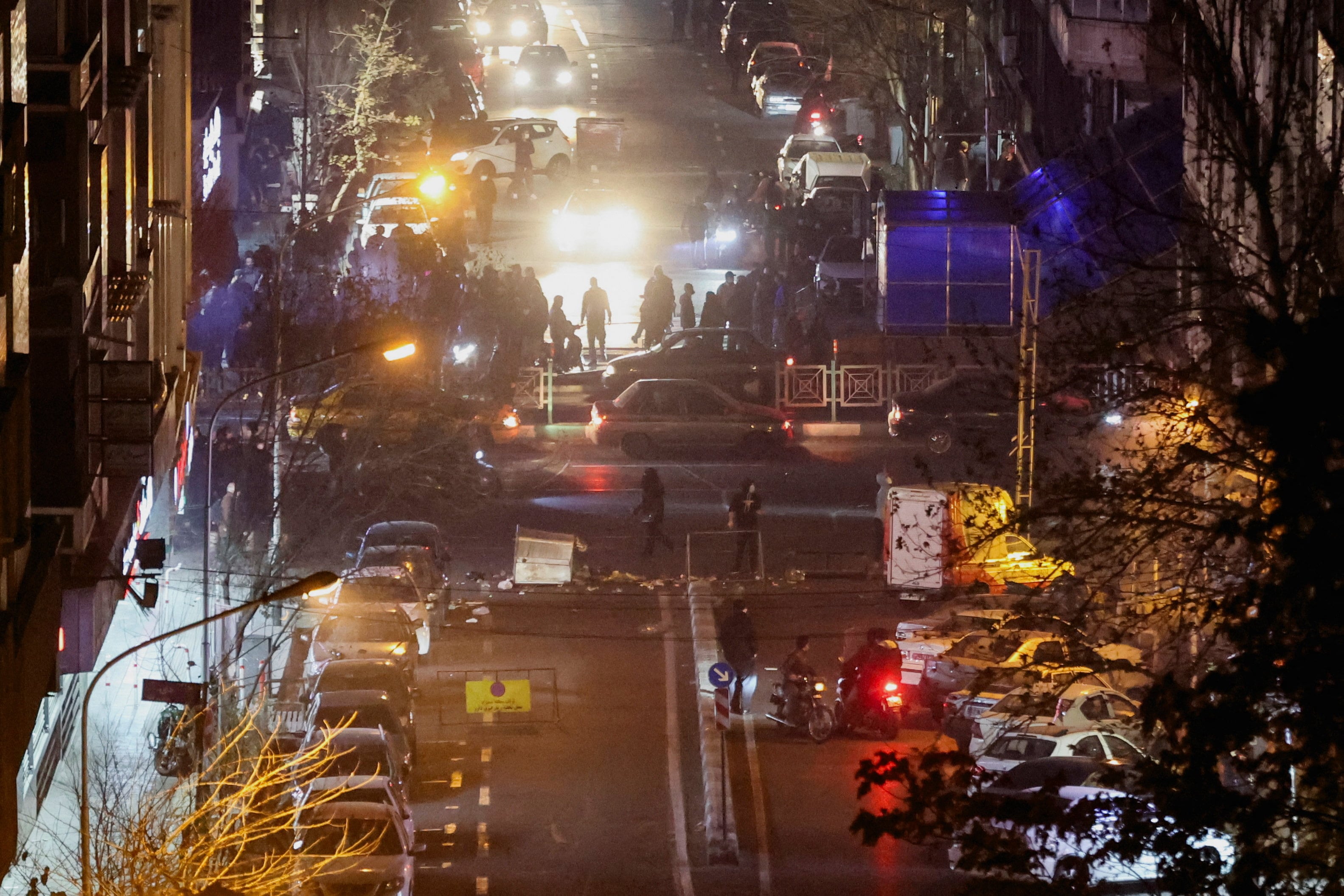
Iran is currently experiencing its most extensive civil unrest in years, with protests erupting across more than 100 cities and all 31 provinces since early January 2026. The demonstrations, sparked by widespread anger toward Supreme Leader Ayatollah Ali Khamenei amid a spiraling economic crisis, have seen key flashpoints including chants of "Death to Khamenei" and pro-Shah slogans resonating in Tehran and other urban centers. By January 4, at least 16 deaths were reported due to a government crackdown, confirmed by multiple outlets. On January 7, protesters in Tehran symbolically renamed a street after U.S. President-elect Donald Trump, a provocative gesture amid his public warnings against the execution of protesters.
Public sentiment, as reflected in posts found on X (formerly Twitter), portrays a nation on the brink, with users describing police fleeing the streets and millions rallying for regime change. Iran's judiciary has responded aggressively, vowing to fast-track trials for arrested protesters. Chief Justice Gholam-Hossein Mohseni-Eje'i ordered "decisive legal action" against "rioters," with reports of expedited proceedings despite international criticism. This escalation coincides with internet blackouts to curb information flow, though videos of mass gatherings continue to surface. Foreign governments, including Cyprus and India, have issued urgent evacuation advisories for their citizens, citing risks of further violence. While death toll estimates vary—some unverified X posts claim thousands—the confirmed unrest underscores a regime facing unprecedented defiance.
Historical Context: A Legacy of Unrest
The 2026 protests are not isolated but part of a continuum of dissent tracing back decades. They echo the 2009 Green Movement, sparked by disputed presidential elections, where millions marched against electoral fraud under Mahmoud Ahmadinejad, demanding reforms and chanting "Where is my vote?" That uprising was brutally suppressed, killing dozens and leading to mass arrests, yet it planted seeds of organized opposition. Similarly, the 2019 fuel price hikes ignited nationwide protests, resulting in over 300 deaths according to Amnesty International, fueled by economic despair and anti-regime fervor.
This timeline reveals evolution: January 1, 2026, marks the latest eruption against Khamenei; January 2 saw foreign support noted for protesters (though Iranian state media condemned it); January 4 brought the deadly crackdown; January 7's Trump street-naming symbolized external alignment; and by January 9, protests had grown exponentially. Unlike predecessors, today's unrest blends economic triggers with overt regime rejection, including calls for a return to pre-1979 monarchy symbols. This progression reflects shifting societal values—from reformist pleas in 2009 to revolutionary demands now—driven by a tech-savvy youth cohort exposed to global norms via VPNs, marking a deepening rejection of theocratic rule.
The Economic Underpinnings: A Catalyst for Change
At the protests' core lies Iran's acute economic crisis, hyperinflation, and rial collapse, which have turned daily survival into a nightmare. Reports detail families paying for cooking oil in installments and people sleeping on rooftops to escape sweltering homes without affordable power. The currency's freefall—exacerbated by sanctions, corruption, and mismanagement—has made basics unaffordable, with youth unemployment exceeding 40%. This mirrors 2019's fuel riots but amplifies historical grievances: decades of isolation post-1979 Revolution have entrenched inequality, with oil wealth funneled to proxies like Hezbollah while citizens starve.
These factors catalyze broader transformation. Economic pain has unified disparate groups—students, workers, women—under anti-regime banners, linking immediate hardships to systemic failures. Posts on X highlight "hyperinflation" and "economic collapse" as sparks, with unverified claims of 90% opposition to the regime. This convergence suggests potential for lasting change, as economic desperation erodes loyalty to the Islamic Republic's ideological foundations.
The Role of Identity in Civil Unrest
Beyond economics and politics, the protests represent a seismic shift in Iranian national identity, particularly among the youth—who comprise over 60% of the population under 30. Long suppressed under mandatory hijab laws and cultural Islamization, young Iranians are reclaiming a pre-revolutionary heritage: Persian nationalism, secularism, and Western influences. Pro-Shah chants and Trump tributes signal a redefinition—"Iranian" as proud, modern, and free, not a theocratic pawn. Videos show women burning hijabs and crowds invoking Cyrus the Great, an ancient symbol of tolerance.
This identity struggle is profound: the regime's narrative of Shia supremacy clashes with a generation raised on smuggled media, viewing authoritarianism as alien. X sentiment captures this, with users decrying the "clerical regime" and hailing a "revolution" for a redefined identity. It's a cultural rebellion, where youth envision Iran as a regional power unshackled from Khamenei's grip, blending Zoroastrian roots with global aspirations. This evolution matters, as it transforms protests from episodic flares into an existential challenge to the state's legitimacy.
Future Implications: What’s Next for Iran?
The protests' trajectory hinges on regime response and external pressures. Confirmed: Judiciary's fast trials risk executions, prompting Trump's January 13 warning of "very strong action"—potentially sanctions or strikes—mirroring his past "maximum pressure" policy. Unconfirmed X claims of thousands dead or imminent collapse add volatility. Short-term, expect intensified crackdowns: blackouts, arrests, and internet curbs, possibly alienating moderates.
Yet, identity-driven momentum suggests cracks. If protests sustain—now in their second week—reforms like subsidy hikes or dialogue could emerge to placate youth, though unlikely under Khamenei's defiance. A tipping point: mass defections or elite fractures, fueled by economic implosion. Long-term, this redefinition could birth a post-theocratic Iran—secular, market-oriented—reshaping Middle East dynamics, weakening proxies like Houthis, and inviting normalization with the West.
What This Means
The ongoing protests in Iran signal a critical juncture for the nation, where economic despair and a quest for identity are converging. The potential for regime change or significant reforms could reshape not only Iran but also its relationships in the Middle East and beyond. As the world watches, the outcome of this unrest will have lasting implications for regional stability and international relations.
This is a developing story and will be updated as more information becomes available.
(Word count: 1,112)
Track this story live
Original Sources
- •
- •
- •
- •
- •
- •
- •
- •
Editorial process: This article was synthesized from the original sources cited above using The World Now's AI editorial system, with byline accountability from our editorial team. We grade every story for source grounding, factual coherence, and on-topic match before publication. Read more about our editorial standards and contributors. Spot something inaccurate? Let us know.
Last updated: February 28, 2026






