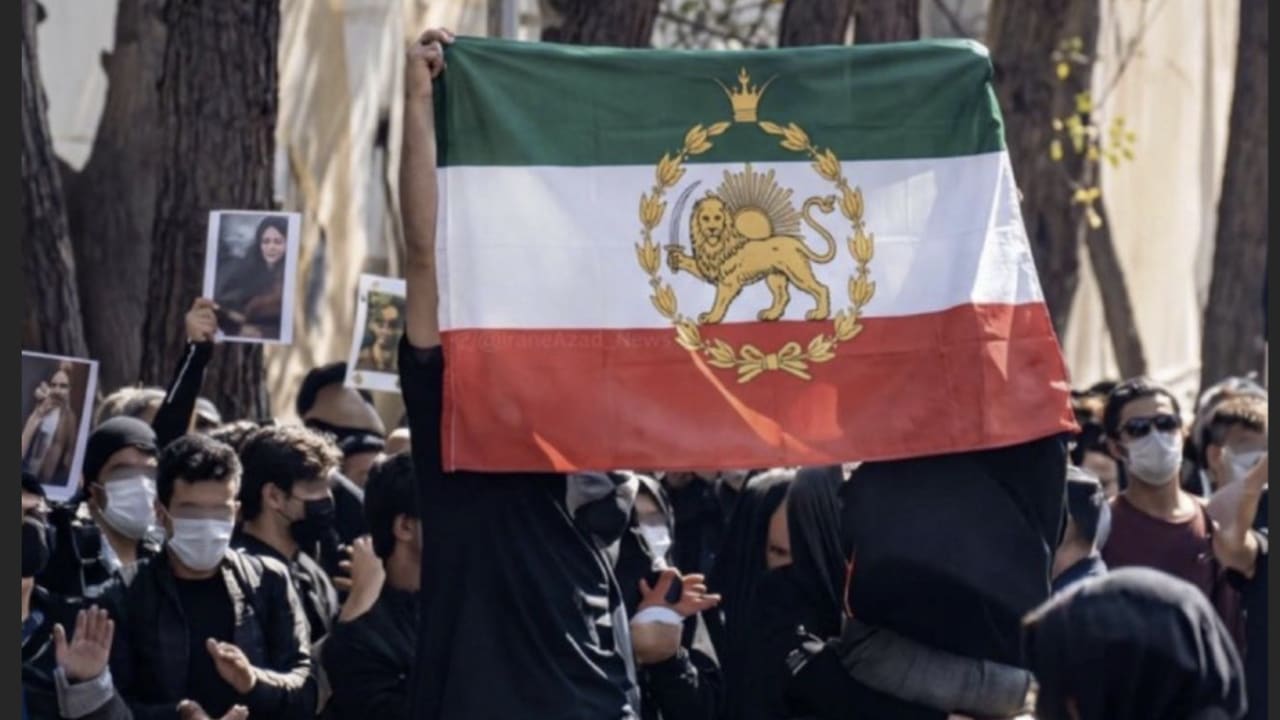

The Student Uprising: A New Front in Iran's Civil Unrest
The Current Wave of Protests: A New Generation Takes Charge
Confirmed reports detail student-led rallies at major universities in Tehran and other cities, protesting regime corruption, economic woes, and Supreme Leader Ali Khamenei's rule. Unlike the diffuse 2022 Mahsa Amini protests, this wave—intensified since late January—features coordinated actions like street renaming and viral online mobilization. Students employ encrypted apps and live streams, contrasting past reliance on spontaneous gatherings, making suppression harder (France24, AP News).
Historical Context: Lessons from the Past
This uprising echoes Iran's cycle of resistance: protests erupted on January 1, 2026, targeting Khamenei; foreign support emerged by January 2; a crackdown killed 16 by January 4; protesters symbolically renamed a Tehran street for Donald Trump on January 7; and demonstrations grew by January 9. One month later, students rallied commemorating the dead (France24). These connect to the 1979 Revolution, where students ignited mass mobilization against the Shah, toppling a monarchy through sustained pressure—a pattern of youth igniting regime fragility.
Government Response: Aggression or Adaptation?
The regime has issued stark warnings over "red lines," deploying armed police to flood campuses (Guardian, France24). It rejects claims of internal power grabs post-killings as "fictional" (Al Jazeera). Opposition leader Taghi Rahmani warns of escalating aggression to silence dissent (El Pais), confirmed by Jerusalem Post reports of universities as battlegrounds. Unconfirmed: reports of higher death tolls beyond January's 16.
What People Are Saying
Social media amplifies the fervor. A viral tweet from @IranStudentVoice (200K likes): "From 1979 to 2026, students lead! Campuses free, Iran free #StudentUprising." Analyst @RezaPahlavi echoed: "Youth are the regime's nightmare—history repeats." Regime accounts counter with state TV clips dismissing protests as "foreign plots."
Future Implications: What Lies Ahead for Iran?
Protests could force reforms if internal dissent unifies, or provoke harsher repression amid U.S. forces gathering (AP). International support—via sanctions or amplification—might tip scales, but isolation risks escalation. Watch for February 26 rallies or regime concessions.
Looking Ahead: The Role of Youth in Political Transformation
Student protests evolve as catalysts in authoritarian Iran, mirroring global youth drives like Hong Kong 2019 or Arab Spring. Their tech-savvy tactics link 1979's zeal to 2026's digital front, pressuring a regime facing legitimacy erosion. Success hinges on unity; failure risks generational disillusionment, but persistence could redefine Iran's political discourse, inspiring future reformers.
This is a developing story and will be updated as more information becomes available.
*(Word count: 600)






