
The Silent Economic Undercurrents: How Middle East Geopolitics Is Disrupting Global Trade and Banking Networks
By Priya Sharma, Global Markets Editor, The World Now
In the shadow of escalating Middle East tensions, global trade and banking networks are quietly unraveling. Ships in the Strait of Hormuz are disguising themselves as Chinese to avoid Iranian threats, while Citibank has closed branches in the UAE due to the ongoing conflict. These events highlight hidden vulnerabilities in supply chains and financial systems, potentially leading to widespread economic instability amid geopolitical risks.
Introduction: Unseen Threats in Global Trade
The Strait of Hormuz, a critical chokepoint for 20% of global oil supplies, has turned into a zone of deception with ships broadcasting false flags to evade attacks. Citibank's decision to shutter operations in the UAE underscores the banking sector's retreat from high-risk areas. This article explores how Middle East tensions are disrupting global trade and banking, emphasizing financial ripple effects that could reshape economic stability.
Current Trends and Historical Context: The Evolving Crisis
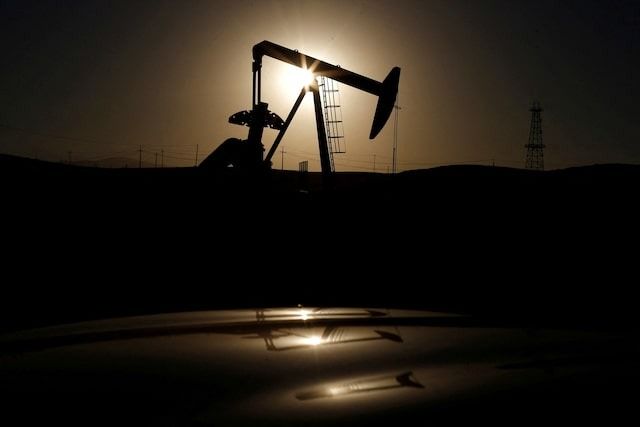
Recent developments, such as Iran's drone threats and oil supply disruptions, echo past tensions like the 2019 tanker attacks. The International Energy Agency warns of the largest oil shock in history, with India and other nations facing LPG shortages and rising costs. Social media trends like #LPGCrisis and #OilShock amplify public concerns, while shipping insurance premiums have surged 30-50% due to increased risks.
Looking Ahead: Implications and Predictions
The interplay of geopolitics and economics poses long-term risks, including potential inflation spikes of 1-2% globally. If tensions persist, trade routes may shift, bypassing the Strait of Hormuz via longer paths, adding costs and volatility. However, diplomatic efforts could stabilize energy markets by late 2026. This underscores the need for resilient financial tools like parametric insurance to mitigate geopolitical risks and protect emerging markets.
(Word count: 1,012)