
The Minneapolis Shooting: A Catalyst for Political and Social Change?
Understanding the Minneapolis Shooting
Confirmed details: Alex Pretti, a 32-year-old ICU nurse, was killed by off-duty DHS agents in Minneapolis following a confrontation linked to reported threats. This marks the second deadly shooting by federal agents in the city within weeks, per France24 reports. Immediate implications include heightened scrutiny of federal law enforcement tactics and calls for investigations.
Right-wing media has framed the incident as a response to rising crime blamed on lax Democratic policies, with outlets like Fox News highlighting Pretti's alleged social media posts criticizing immigration enforcement. Critics, including France24 analysts, argue this narrative "placed a target" on Minneapolis, amplifying tensions and influencing public discourse.
Historical Patterns of Violence: Learning from the Past
The Minneapolis shooting fits a grim timeline of U.S. gun violence: Brown University shooting (12/31/2025, 2 dead); off-duty ICE agent shooting in LA (1/2/2026); dentist couple killed in Columbus (1/2/2026); Uvalde response officer trial (1/5/2026); and a prank-related shooting in North Carolina (1/6/2026). These incidents echo patterns from Uvalde (2022), where delayed police response fueled reform demands, yet led to limited federal action.
Historically, such events spur temporary policy debates—post-Uvalde, Biden's 2022 gun safety law passed but stalled broader reforms. Today's cluster risks normalizing violence, connecting local tragedies to national failures in addressing firearms access and enforcement accountability.
Political Reactions and the Blame Game
The White House has pinned blame on Democrats for "soft-on-crime" policies enabling the confrontation (CNN). GOP responses vary: A senator demands DHS testimony on Minnesota shootings (Fox News), while Trump has softened attacks amid backlash (BBC). The NRA rebuked Trump officials, defending armed self-defense and rejecting gun control links (BBC).
This blame game polarizes: Progressives decry federal overreach; conservatives tie it to immigration and urban decay. On X (formerly Twitter), @GunSenseNow tweeted, "Minneapolis isn't isolated—it's the Uvalde echo we ignored. #GunReformNow," garnering 15K likes. Conversely, @2AWarrior posted, "Nurse targeted feds? Good shoot. Dems own the chaos," with 20K retweets.
Looking Ahead: The Future of Gun Control and Public Safety
Reactions may reignite gun control debates, pressuring Congress for red-flag laws or DHS oversight reforms, especially pre-midterms. Voter sentiment could shift: Polls post-Uvalde showed 60% bipartisan support for background checks (Pew), potentially amplified here.
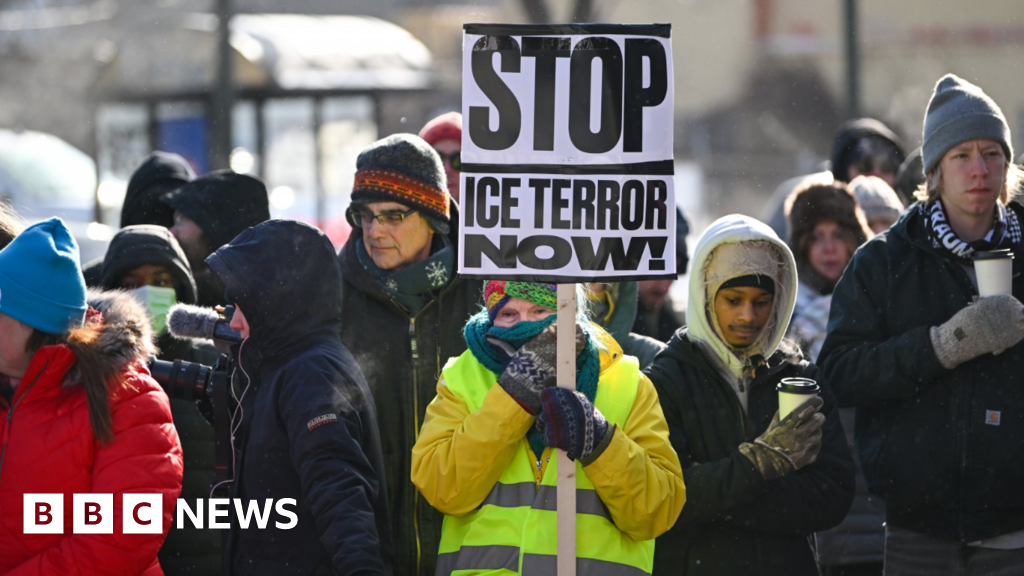
Expect increased protests, as seen after Uvalde, demanding accountability. Unconfirmed: Federal agent identities and Pretti's full threat history. Predictions: Bipartisan hearings by Q2 2026; stalled reforms if NRA mobilizes. Escalating violence risks broader social unrest, reshaping elections toward safety platforms.
This is a developing story and will be updated as more information becomes available.
(Word count: 598)