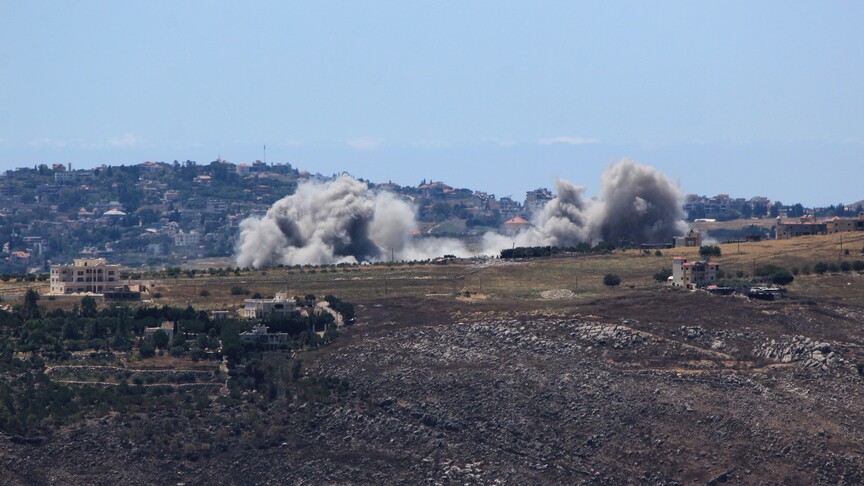
Strike in Afghanistan: Four Killed and 70 Injured in Pakistani Attacks
Mortar and rocket attacks launched by Pakistan against Afghanistan killed four people and injured 70 more, according to the Taliban government, in a strike Afghanistan incident that has heightened concerns along the volatile border.[1][2] The incident unfolded on Monday, drawing immediate attention to the renewed hostilities between the two neighboring countries.
Overview of the Attacks
The attacks involved mortar and rocket fire directed from Pakistan into Afghan territory, marking a significant escalation in cross-border military actions. According to reports from the Taliban government, these strikes occurred on Monday and were described as deliberate launches targeting areas within Afghanistan.[1][2] The Taliban spokesperson confirmed the use of both mortars and rockets, emphasizing the scale of the assault that prompted an official statement from Kabul.
This overview aligns with initial reporting that framed the event as a direct military engagement. Source accounts detail how the barrage unfolded, with multiple projectiles crossing the border, leading to widespread alarm in affected regions. The nature of the weapons—mortars for shorter-range precision and rockets for broader impact—suggests a coordinated response, though specifics on the launch sites or military units involved remain unelaborated in available reports.[1][2] Such tactics have been part of intermittent clashes in the region, but the Monday timeline underscores a fresh outbreak amid ongoing disputes.
Further context from the sources highlights the immediacy of the response, with Taliban officials quick to publicize the event. This rapid dissemination served to rally domestic support while signaling to international observers the persistence of border vulnerabilities. The attacks' occurrence on a weekday, potentially during routine civilian activities, amplified their disruptive effect, as noted in preliminary assessments.[1][2]
Casualties and Locations
Casualties from the strike Afghanistan were severe, with the Taliban government reporting four people killed and 70 injured in the mortar and rocket attacks.[1][2] Separate accounts pinpointed missile strikes in Kunar province, where at least three people were killed and 45 others injured, contributing to the overall toll amid rising cross-border tensions.[3]
Kunar province, located in eastern Afghanistan near the Pakistani border, emerged as a focal point for the strikes. Reports indicate that Pakistani missiles hit parts of the province, including areas in and around key locations, resulting in dozens of injuries alongside the confirmed fatalities.[3] The discrepancy in casualty figures—four killed and 70 injured per Taliban statements versus three killed and 45 injured in Kunar-specific reports—reflects varying emphases in coverage, with the higher numbers encompassing broader impacts across potentially multiple sites.[1][2][3]
Injuries ranged from shrapnel wounds to blast-related trauma, affecting civilians in the targeted zones. The concentration in Kunar underscores the province's strategic sensitivity, where rugged terrain and proximity to Pakistan's tribal areas have long facilitated such incursions. Taliban reports aggregated these losses to highlight the human cost, while Kunar-focused details provide granularity on the strike's epicenter.[1][2][3] Rescue efforts likely strained local resources, though specifics on medical responses are not detailed in the sources.
This section's details paint a picture of disproportionate suffering in a border hotspot, where civilian populations bear the brunt of military exchanges. The combined casualty figures illustrate the attacks' reach, prompting questions about targeting accuracy and collateral damage in densely populated frontier areas.[1][2][3]
Context of Border Tensions
Cross-border tensions between Pakistan and Afghanistan have continued to escalate, with the recent strikes exemplifying a pattern of recurring conflicts. Fighting between the two countries erupted again on Monday, as mortar, rocket, and missile attacks underscored the fragility of the Durand Line border.[2][3]
Historical frictions, including disputes over militant safe havens and territorial claims, provide backdrop to these events. Sources note that tensions have been rising, with cross-border incidents becoming more frequent. The Kunar strikes, in particular, fit into this narrative of retaliatory actions, where Pakistan has previously cited security threats from Afghan soil.[3]
The escalation risks broader instability, as intermittent ceasefires give way to open exchanges. Reports frame the Monday attacks as a renewal of hostilities, potentially linked to prior skirmishes involving artillery and airstrikes. This context reveals a cycle where accusations of harboring insurgents fuel military responses, perpetuating a standoff that affects regional security.[2][3]
Analytically, the strikes signal a breakdown in de-escalation efforts, with both sides leveraging border incidents for domestic political gains. The involvement of missiles in Kunar points to an intensification in weaponry, raising stakes for future confrontations.[3]
Statements from Involved Parties
The Taliban government issued a direct statement attributing the attacks to Pakistan, confirming that mortar and rocket fire killed four and injured 70 on Monday.[1][2] Officials described the launches as unprovoked aggression, vowing to defend Afghan sovereignty amid the border flare-up.
Taliban spokespersons emphasized the human toll, using the figures to condemn the strikes and call for international attention. The official narrative positioned the incident as a violation of territorial integrity, with reports circulated via state-aligned media to amplify the message.[1][2]
No direct quotes from Pakistani officials appear in the sources, but the context implies a security-driven rationale, consistent with past responses to perceived threats. Taliban statements focused on unity and resilience, framing the attacks as an external challenge to their governance.[1][2]
These pronouncements serve multiple purposes: informing the public, deterring further aggression, and seeking diplomatic leverage. The Taliban's prompt reporting highlights their media strategy in managing border narratives.[1][2]
Potential Implications
The strikes threaten to derail fragile peace talks between Pakistan and Afghanistan, as renewed fighting erodes momentum toward dialogue.[2] With hostilities erupting again, the path to de-escalation appears obstructed, complicating efforts to address root causes like militancy and border management.
Sources indicate that such incidents undermine nascent negotiations, where both sides have sporadically engaged to reduce violence. The Monday attacks, by reigniting combat, cast doubt on commitments to restraint, potentially prolonging instability.[2]
Broader ramifications include heightened risks for civilians and displacement in border areas. The escalation could draw in external actors, though sources limit focus to bilateral dynamics. Peace talks' fragility, now tested, hinges on rapid diplomatic intervention to prevent a full-scale crisis.[2]
What to watch next: Monitor developments in peace talks, as the strikes have threatened to derail fragile negotiations, and track any further cross-border incidents that could escalate tensions between Pakistan and Afghanistan.[2]