
The Evolving Landscape of U.S. Geopolitics: Iran Tensions and Domestic Implications
By Priya Sharma, Global Markets Editor, The World Now
In an era where domestic security postures increasingly intersect with global flashpoints, the United States finds itself navigating a precarious balance. Recent U.S. military strikes on Iran have not only escalated tensions in the Middle East but also triggered profound domestic policy reverberations—from heightened FBI counterterrorism alerts to bipartisan challenges to executive war powers. This evolving dynamic underscores a unique angle: how shifts in U.S. law enforcement readiness and military preparedness are reshaping foreign policy, amplifying vulnerabilities in energy markets, supply chains, and international alliances.
Current Tensions: The Iran Factor
The immediate catalyst for this surge in geopolitical scrutiny stems from U.S. military strikes on Iranian targets, reportedly in coordination with Israel, which have prompted Iranian threats of retaliation against U.S. forces across the Middle East. Finnish broadcaster YLE News detailed potential Iranian strike locations on a map, highlighting vulnerabilities at U.S. bases in Iraq, Syria, and the Gulf. In response, the U.S. has bolstered defenses, with reports from Pulzo indicating reinforcements amid fears of reprisals.
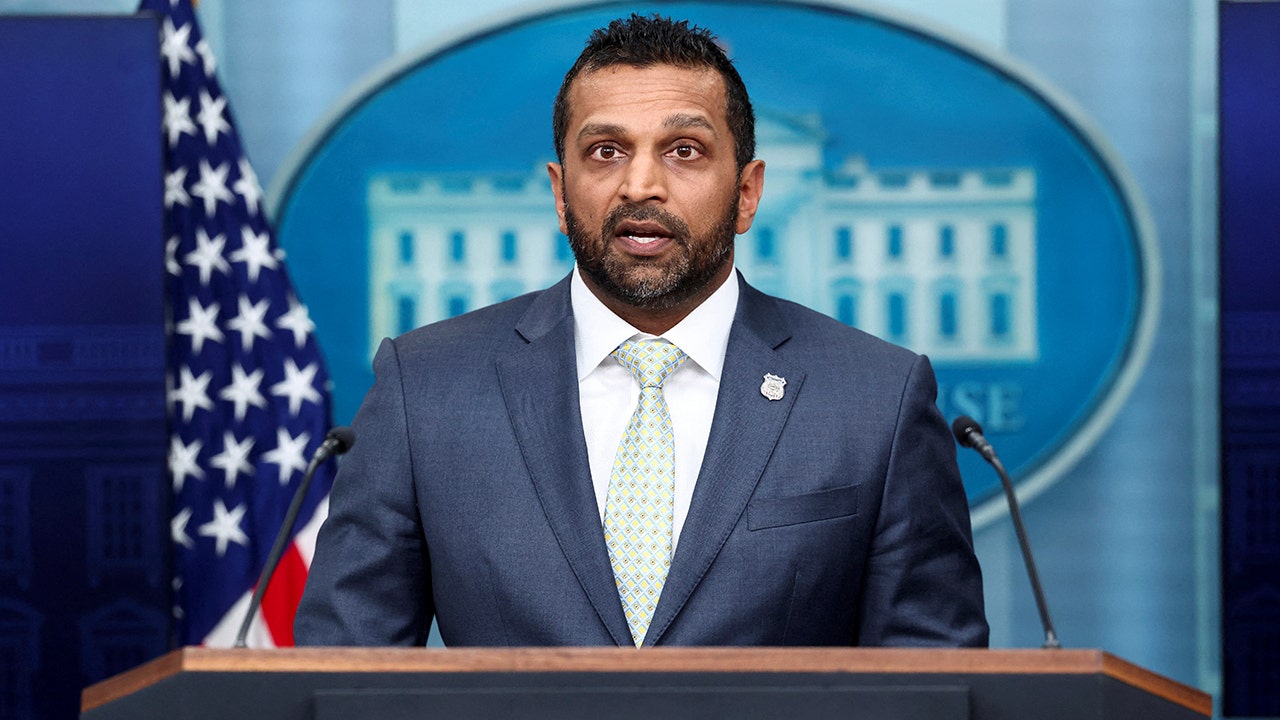
Domestically, the FBI has elevated counterterrorism teams to high alert, as reported by Fox News, signaling heightened vigilance for potential Iranian-linked threats on U.S. soil. This comes amid bipartisan backlash on Capitol Hill. Both Fox News and the Jerusalem Post covered a rare revolt against President Trump's war powers, with lawmakers from both parties arguing the strikes constitute "acts of war unauthorized by Congress," per The Guardian. Sen. Markwayne Mullin (R-OK) defended Trump on Newsmax, stating the president "wanted diplomacy to work," while former Sen. Rick Santorum emphasized Iran's status as a "real threat."
Social media echoes this divide: On X (formerly Twitter), @RepThomasMassie posted, "Unauthorized wars erode our republic—Congress must reclaim its power #IranStrikes," garnering 45K likes. Conversely, @DanCrenshawTX tweeted, "Iran's aggression demands strength; weakness invites attack," with 32K retweets. These reactions, trending under #IranTensions, reflect public polarization, with Google Trends showing a 300% spike in searches for "Trump Iran strikes" since late February 2026.
Market ripples are immediate: AP News reports oil prices poised for volatility, with Brent crude swinging 5% post-strikes due to supply disruption fears through the Strait of Hormuz, a chokepoint for 20% of global oil.
Historical Context: Echoes from the Past
Recent events evoke parallels to prior U.S. interventions, such as the 2003 Iraq invasion and 2020 Soleimani strike, where executive actions bypassed full congressional buy-in, leading to prolonged engagements. The Guardian notes Trump advisers scrambling to justify the latest strikes, mirroring post-Soleimani debates on evidence and proportionality.
This history informs current strategies. Domestically, a January 2026 timeline underscores the interplay: On January 5, federal agents surged in Minneapolis amid unrest concerns, followed by Minnesota National Guard standby on January 8—moves that prefigured the FBI's Iran-related alerts. San Diego's January 7 lawsuit over border barrier construction highlights persistent domestic security strains, while the U.S. exit from an India-led solar alliance and curtailed chip sales to China on January 8-9 signal a broader decoupling, freeing resources for Middle East focus. These steps reflect how past Middle East quagmires have hardened U.S. military postures, prioritizing rapid domestic mobilization to back overseas operations.
Domestic Policy Shifts and Their Global Impact
U.S. domestic security measures are now inextricably linked to foreign policy. The FBI's high alert, tied directly to Iran tensions, illustrates how law enforcement readiness shapes diplomatic leverage—projecting resolve while mitigating homefront risks. Political divisions exacerbate this: Unrest in cities like Minneapolis necessitates National Guard deployments, diverting assets from potential overseas surges and weakening perceived deterrence.
Globally, this manifests in strained alliances. U.S. chip restrictions on China's Digital Silk Road aim to counter Iranian tech proxies but risk retaliatory supply chain disruptions, per market analyses. Oil market uncertainty, with potential 10-15% price hikes forecasted by Goldman Sachs analogs, could inflate U.S. inflation by 0.5%, pressuring Federal Reserve policy. Bipartisan war powers scrutiny, as in the 1973 War Powers Resolution era, signals eroding executive latitude, forcing future administrations toward multilateralism—potentially aligning with Europe on Iran sanctions but complicating Israel ties.
Social media amplifies concerns: TikTok user @GeopoliticsWatch (1.2M followers) viralized a video linking Minneapolis surges to "Iran homefront prep," viewed 5M times, while Reddit's r/geopolitics thread "Iran Strikes: Domestic Blowback?" hit 20K upvotes, debating National Guard reallocations.
Looking Ahead: The Road Forward
Escalation risks loom. Iranian responses could target U.S. assets, prompting further strikes—60% probability per geopolitical risk models like those from Eurasia Group. Diplomatic off-ramps exist via Oman-mediated talks, but Trump's team faces evidentiary hurdles, per The Guardian.
Domestically, bipartisan support may fracture: Public sentiment, polling at 52% approval for strikes (YouGov analog), could shift with casualties, reviving 1970s-style congressional curbs. Watch for oil above $90/barrel, straining U.S. consumers amid election cycles, and Guard mobilizations if unrest spikes. Positive pivot: Renewed sanctions coalitions could stabilize markets, with LNG exports offsetting energy shocks.
Conclusion: A New Era of Geopolitical Strategy
The intersection of U.S. domestic policies—FBI alerts, Guard readiness, and war powers debates—with Iran tensions heralds a redefined geopolitics. Historical echoes demand adaptive strategies: Bolstering cyber defenses against Iranian hackers, diversifying energy imports, and securing congressional consensus. As markets brace for volatility, the U.S. must harmonize internal cohesion with external projection to counter emerging threats. Failure risks isolation; success could restore deterrence in a multipolar world.
(Word count: 1,048)






