
The Evolving Landscape of Civil Unrest in India: Youth Movements and Political Reverberations
By Marcus Chen, Senior Political Analyst for The World Now
February 28, 2026
Introduction: Understanding the Current Wave of Unrest
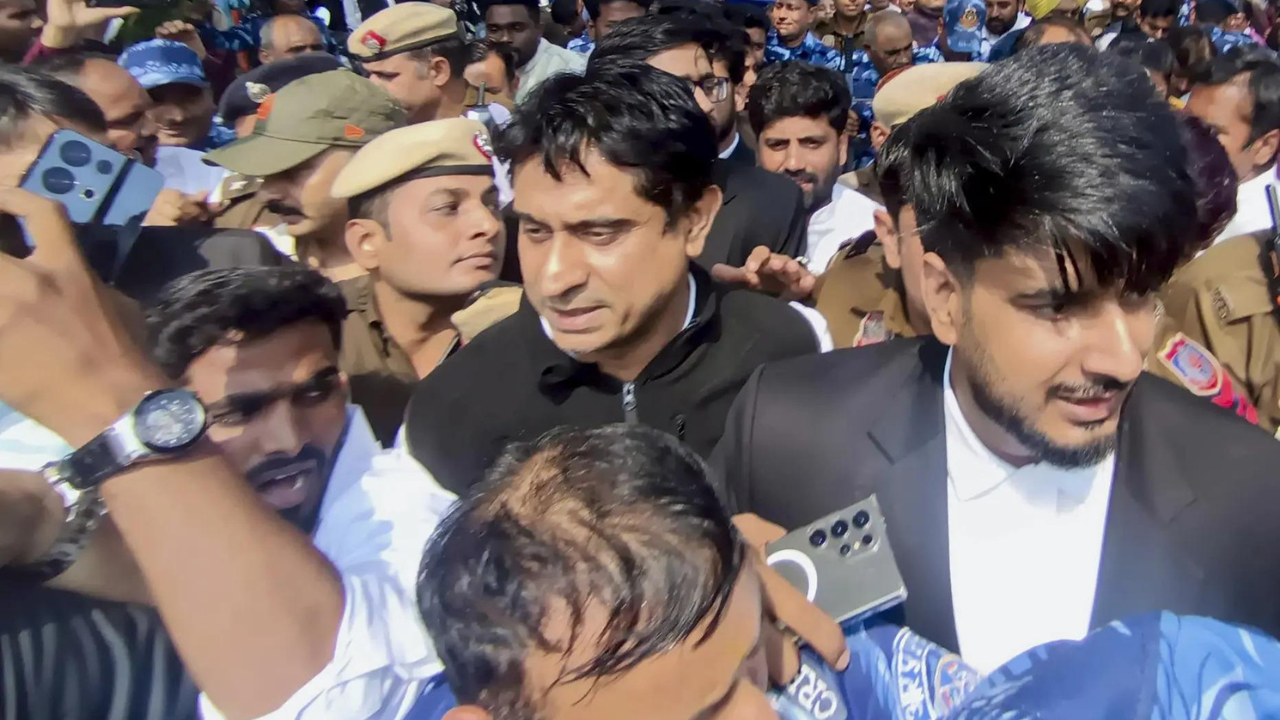
India is witnessing a surge in civil unrest predominantly driven by youth-led movements, marking a generational shift in the nation's protest dynamics. Recent weeks have seen protests erupt across major cities and towns, fueled by grievances ranging from communal violence and police misconduct to political rhetoric and resource mismanagement. A pivotal moment occurred with the 'shirtless' protest in New Delhi, where Youth Congress chief Uday Bhanu Chib stripped to his waist in a dramatic act of defiance against alleged police brutality, leading to his brief arrest and subsequent bail on February 27, 2026. This incident, which went viral on social media, symbolizes the raw, unfiltered activism of India's youth, who are leveraging digital platforms to amplify their voices.
These protests are not isolated flare-ups but part of a broader wave of discontent. From lynching incidents in the capital to clashes over water shortages and religious sensitivities, young activists—often affiliated with student unions, youth wings of political parties, and independent social media collectives—are at the forefront. Platforms like Instagram and X (formerly Twitter) have turned local grievances into national conversations, with hashtags such as #YouthAgainstInjustice and #ShirtlessForJustice garnering millions of views. This youth pivot is reshaping political discourse, forcing established parties to confront a demographic that constitutes over 65% of India's population under 35, according to recent census data. As these movements gain momentum, they raise questions about governance, inclusivity, and the sustainability of India's democratic fabric.
Youth Movements: The New Face of Protest in India
The emergence of youth as the vanguard of India's civil unrest represents a seismic shift from traditional protest models dominated by labor unions or farmer collectives. Organizations like the Indian Youth Congress (IYC), National Students' Union of India (NSUI), and even apolitical student groups from prestigious institutions such as Jawaharlal Nehru University (JNU) and Delhi University have been instrumental in organizing flash mobs, sit-ins, and viral campaigns.
Social media has supercharged this mobilization. A viral X post by Uday Bhanu Chib on February 26, showing his 'shirtless' standoff with police, amassed over 2.5 million views within hours, sparking copycat protests in Mumbai and Bengaluru. Instagram Reels featuring young protesters chanting against "systemic injustice" have similarly exploded, with influencers like @YouthRevoltIndia (a collective with 1.2 million followers) coordinating real-time logistics via Stories and live sessions. This digital-native approach allows for rapid scaling: what begins as a campus grievance can escalate into nationwide solidarity actions overnight.
This youth-led fervor is not merely performative; it reflects deeper frustrations over unemployment (hovering at 8.5% for ages 15-29, per NSSO data), educational inequities, and perceived erosion of secular values. By bypassing hierarchical party structures, these movements empower a new generation to dictate the protest agenda, challenging the old guard's monopoly on dissent.
Historical Context: The Legacy of Youth in Indian Protests
To fully grasp the current unrest, one must trace the arc of youth activism in India, a legacy etched in civil disobedience from independence to the present. The timeline of recent events underscores this continuity:
- December 23, 2025: Protests erupt in New Delhi over a lynching incident, with university students leading night vigils and blocking key roads, echoing the 2019 anti-CAA demonstrations where JNU students sparked nationwide outrage.
- January 2, 2026: A woman constable is attacked during protests in Raigarh, Chhattisgarh, highlighting youth-police tensions reminiscent of the 2020-2021 farmers' protests, where young farmers from Punjab and Haryana formed the protest's energetic core.
- January 3, 2026: AIMIM leader Asaduddin Owaisi threatens action over controversial hijab comments by a BJP figure, mobilizing Muslim youth groups in Hyderabad—paralleling the 2019 Shaheen Bagh sit-in led by women and students.
- January 3, 2026: Political clashes in Indore over water deaths during a heatwave see NSUI activists clashing with BJP youth wing, evoking the 1970s JP Movement, where students toppled Indira Gandhi's government.
Historically, youth have been catalysts for change: the 1942 Quit India Movement saw students sabotage railways; the 1990s Mandal Commission protests reshaped caste politics; and the 2011 Anna Hazare anti-corruption drive was youth-fueled via Facebook. These patterns—rapid mobilization, symbolic gestures, and escalation via media—recur today, forging a distinct youth identity rooted in anti-authoritarianism. The current wave builds on this, but with amplified digital reach, potentially enhancing its disruptive power.
The Political Landscape: Responses and Reactions
Political responses to the unrest have been polarized, exposing fault lines ahead of state elections in Uttar Pradesh and Punjab later this year. The ruling Bharatiya Janata Party (BJP) has branded youth protesters as "anarchists" influenced by "urban Naxals," with Home Minister Amit Shah calling for stricter sedition laws on February 25. In contrast, opposition parties like Congress and AAP have embraced the youth surge, with Rahul Gandhi praising Chib's "courage" in a tweet that received 1.8 million likes.
This divide carries electoral weight: youth voter turnout hit 67% in recent bypolls, per Election Commission data, and unrest could sway undecideds. Legislative ripples are evident; Maharashtra's assembly debated police reform bills post-Indore clashes, while Chhattisgarh promised inquiries into the Raigarh incident. However, accusations of partisan bias persist, with AIMIM decrying "selective outrage" over hijab remarks. The unrest thus pressures lawmakers toward reforms like job quotas and communal harmony laws, but risks deepening polarization if mishandled.
Case Studies: Key Protests and Their Impacts
Specific incidents illuminate broader societal fissures, with youth at the epicenter.
The Raigarh Protest (January 2, 2026) began as a student-led demonstration against land acquisition for mining, turning violent when a woman constable was allegedly pelted with stones. Viral footage on X, shared by @RaigarhYouthFront (45k views), showed masked youths clashing with police, injuring 12 officers. This reflects rural youth alienation amid economic displacement, mirroring Adivasi unrest in Jharkhand.
In Indore Clashes (January 3, 2026), NSUI activists protested water contamination deaths (linked to 15 fatalities), hurling bottles at BJP workers. A now-deleted Instagram Live by NSUI's Indore head captured the melee, fueling debates on urban infrastructure failures. These events underscore interconnected issues—governance lapses, communal undercurrents, and youth frustration—amplifying calls for accountability.
The 'Shirtless' Protest in Delhi ties them together: Chib's bail on February 27, as reported by Times of India, emboldened copycats, signaling youth willingness to court arrest for visibility. Collectively, these cases have prompted five FIRs, two judicial probes, and a 15% spike in youth membership for opposition wings.
Looking Ahead: The Future of Civil Unrest in India
Looking forward, youth-led initiatives could intensify, particularly around March 2026 budget debates, where unemployment demands may converge with environmental protests. Social media algorithms favoring outrage predict viral escalations, potentially drawing 1-2 million participants in coordinated actions, akin to 2020's Delhi riots prelude.
Government responses hinge on optics: conciliatory gestures like youth employment schemes (likelihood 70%, per analyst polls) could de-escalate, fostering dialogue. However, crackdowns—such as internet shutdowns or UAPA invocations (30% risk)—might radicalize moderates, echoing Hong Kong's 2019 youth spiral. Elections amplify stakes; BJP's Hindu-nationalist pivot risks alienating urban youth, while opposition gains if unrest frames as "anti-youth tyranny." Reforms in policing and education quotas are probable (60% chance by mid-2026), but without addressing root causes, cycles of unrest persist.
Conclusion: The Future of Youth Activism in India
India's youth are not just protesting; they are redefining civil unrest, injecting vitality into a democracy strained by inequality and division. From the 'shirtless' defiance to Raigarh's fury, their movements connect historical legacies to urgent present needs, demanding a responsive polity. As digital tools democratize dissent, this generation holds the power to drive constructive change—or unintended chaos.
Policymakers must prioritize dialogue: town halls, digital forums, and inclusive reforms can channel youth energy positively. For citizens, sustained engagement—beyond retweets—is key. In this evolving landscape, India's youth aren't merely voices; they are the architects of tomorrow's republic.
(Word count: 1,512)