The Digital Battlefield: How Cyber Warfare Shapes Iran's Civil Unrest

Latest from X
The Digital Battlefield: How Cyber Warfare Shapes Iran's Civil Unrest
Introduction
In Iran, protests against Supreme Leader Ali Khamenei have escalated into a digital-age showdown, where cyber warfare is emerging as a pivotal force. Hackers recently hijacked state TV broadcasts to air anti-regime messages, while an 11-day internet blackout crippled protesters' ability to organize and share footage of crackdowns. This fusion of technology and unrest marks a new front in Iran's civil strife, amplifying both dissent and repression.
The Role of Cyber Warfare in the Current Protests
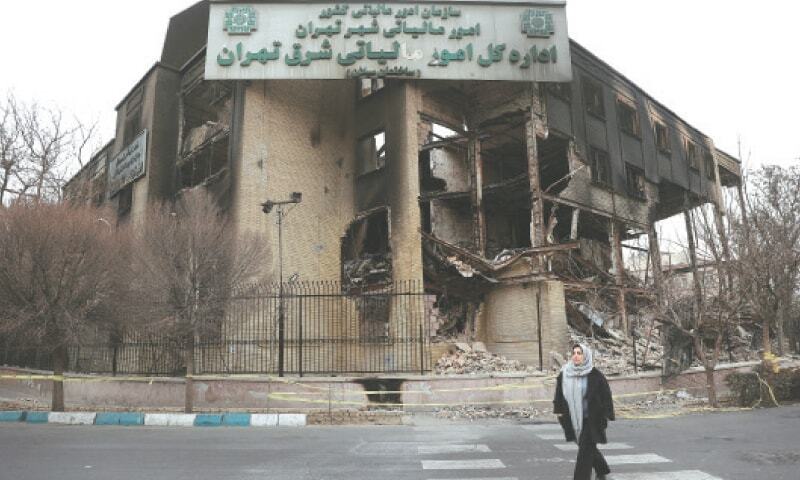
Hackers disrupted a state satellite TV transmission amid ongoing demonstrations, broadcasting a stark message: "Don't point your weapons at the people." The incursion, reported by Clarin, exposed the regime's violent response and rallied public outrage. Simultaneously, Iran's government imposed a near-total internet shutdown starting early January, limiting access to just 5% of normal levels before partial restorations, as noted by Dawn and France24. These blackouts hinder real-time coordination via apps like Telegram and the spread of videos showing security forces firing on crowds. Protesters, however, adapt with VPNs and satellite tech, turning cyberspace into a contested domain where non-state actors challenge state control.
Posts on X highlight public fury, with users decrying the blackout as a tool to conceal "massacres" and questioning global tolerance amid repression—sentiments inconclusive but reflective of widespread digital frustration under hashtags like #DigitalBlackoutIran.
Historical Context: The Digital Evolution of Dissent in Iran
This cyber escalation builds on decades of tech-fueled resistance. Protests ignited on January 1, 2026, targeting Khamenei, followed by foreign support on January 2, a deadly crackdown killing 16 by January 4, and symbolic acts like renaming a Tehran street after Donald Trump on January 7. These events echo the 2009 Green Movement, where Twitter mobilized millions against election fraud, despite nascent blackouts.
Technology has evolved dramatically: from SMS in 2009 to encrypted platforms today. The 2019 fuel protests saw AI-driven throttling; now, 2026's unrest features sophisticated hacks, signaling dissent's maturation into hybrid warfare.
International Response: A Shift in Diplomatic Stance
The World Economic Forum in Davos revoked an invitation to a top Iranian diplomat, citing the protest crackdown, per Anadolu Agency. This snub signals eroding legitimacy for Tehran, potentially paving the way for tighter sanctions. Isolation could strain Iran's economy, already battered by prior U.S. measures, forcing resource diversion from cyber defenses to suppression. Western allies may coordinate tech export bans, limiting regime surveillance tools while aiding protesters' circumvention tech.
Looking Ahead: The Future of Civil Unrest in Iran
Cyber tactics will likely intensify, with protesters deploying advanced hacks like deepfakes or DDoS attacks, and the regime countering via AI monitoring or foreign proxies. This could prolong unrest but invite harsher crackdowns, including mass arrests. Internationally, Davos' move may inspire boycotts, amplifying pressure. Yet, escalation risks broader cyber spillover, affecting global networks. As internet flickers back, the digital battlefield will define whether Iran's uprising endures or fractures.
(Word count: 600)
Track this story live
Original Sources
- •
- •
- •
- •
Editorial process: This article was synthesized from the original sources cited above using The World Now's AI editorial system, with byline accountability from our editorial team. We grade every story for source grounding, factual coherence, and on-topic match before publication. Read more about our editorial standards and contributors. Spot something inaccurate? Let us know.
Last updated: January 20, 2026






