
The conflict in Lebanon escalates after Israeli strikes kill 31 in south
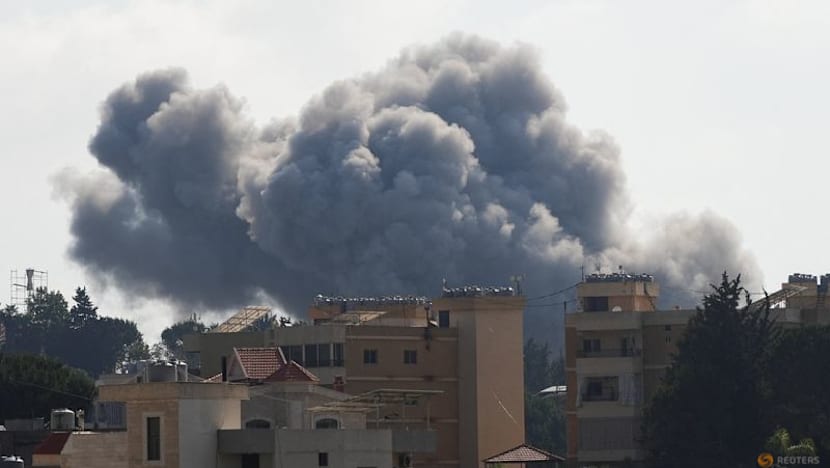
Israeli forces have expanded ground operations in southern Lebanon with reported clashes against Hezbollah beyond the yellow line. The conflict in Lebanon has intensified following heavy strikes that killed 31 people, leading to further fighting in the region.
Ground Operations
Israeli forces have moved deeper into southern Lebanon, carrying out intensified operations beyond the Litani River and the yellow line. Media reports indicate that troops advanced with additional units into areas where clashes occurred. These movements followed earlier strikes and represent an expansion of ground activity amid the ongoing situation. Sources confirm that operations extended past previously referenced boundaries, with direct engagements reported in multiple locations south of the Litani River. [5] The advances occurred in coordination with air activity, allowing forces to maintain presence in villages and along key routes. Such positioning has placed additional pressure on local communities already affected by prior exchanges.
Israeli Leadership Statements
Netanyahu stated that the Israeli army is operating with large forces on the ground in Lebanon despite a ceasefire. The premier described the scale of activity as significant, noting that troops remain active across multiple sectors. This position was conveyed in public remarks that placed the current ground presence in the context of broader security decisions. [4] The statements emphasized continued deployment even as diplomatic efforts involving other parties were underway. Officials framed the operations as necessary responses to developments on the ground, while acknowledging the existence of prior ceasefire arrangements.

Israeli forces advance deeper into southern Lebanon during intensified ground operations. — Source: thenewarab
Hezbollah Response
Hezbollah reported clashes with Israeli troops in south Lebanon beyond the yellow line. The group stated that fighting escalated directly after heavy Israeli strikes killed 31 people in southern Lebanon. [1] These engagements involved direct contact between fighters and advancing forces in areas south of established lines. Hezbollah described the incidents as responses to the preceding aerial campaign and ground movements. The organization’s account highlighted specific locations where troops crossed the yellow line, resulting in exchanges of fire.
Casualties from Strikes
Heavy Israeli strikes killed 31 people in southern Lebanon, after which fighting escalated. [1] The reported toll came from a concentrated series of attacks that preceded the reported ground clashes. Local sources recorded the deaths across several villages targeted during the strikes. The casualty figure has been cited in connection with the subsequent escalation of ground activity.
Effects on Local Traditions
Israeli attacks and insecurity have prevented families from gathering for Eid al-Adha in border villages. [3] Residents described how continuing strikes and unstable conditions altered holiday observances, with many households unable to assemble as in previous years. The insecurity led to canceled visits and reduced communal activities across affected areas. Families noted that safety concerns kept relatives apart during the traditional period of celebration.
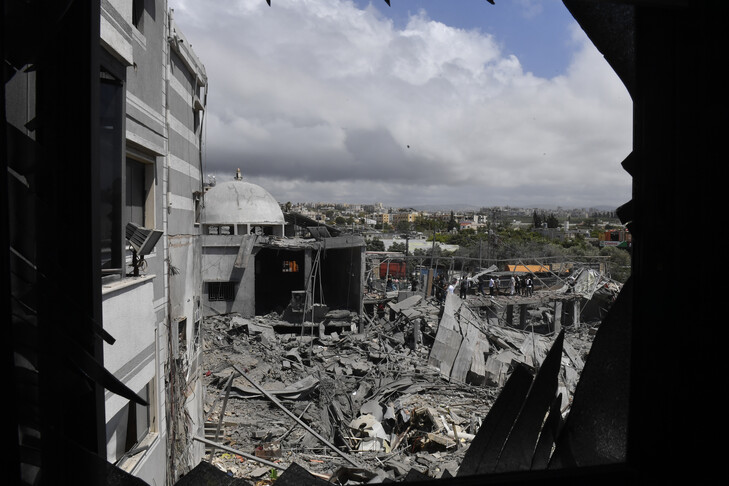
War overshadows Eid al-Adha in south Lebanon as families no longer gather. — Source: anadolu
Broader Context in the Conflict in Lebanon
Additional reporting points to Israel’s actions as part of efforts to sustain pressure despite ongoing talks between other international actors. [2] The combination of strikes and ground advances has kept the situation active in southern Lebanon. These developments occur alongside references to US-Iran discussions, with the military steps viewed by some observers as intended to influence the wider environment. The pattern of escalation has drawn attention to how ground and air operations intersect with diplomatic timelines.
What to watch next
Further reports on Israeli ground positions beyond the yellow line and any additional Hezbollah statements will indicate whether the current level of activity continues.