
Terrorism United States: Trump Offers Negotiation Path to Iran
The World Now — In the context of terrorism United States dynamics surrounding escalating tensions, US President Donald Trump has stated that Iran can contact the United States to negotiate an end to their ongoing conflicts, amid efforts by Pakistan to facilitate such talks.[4][5]
Trump's Statement on Iran Negotiations
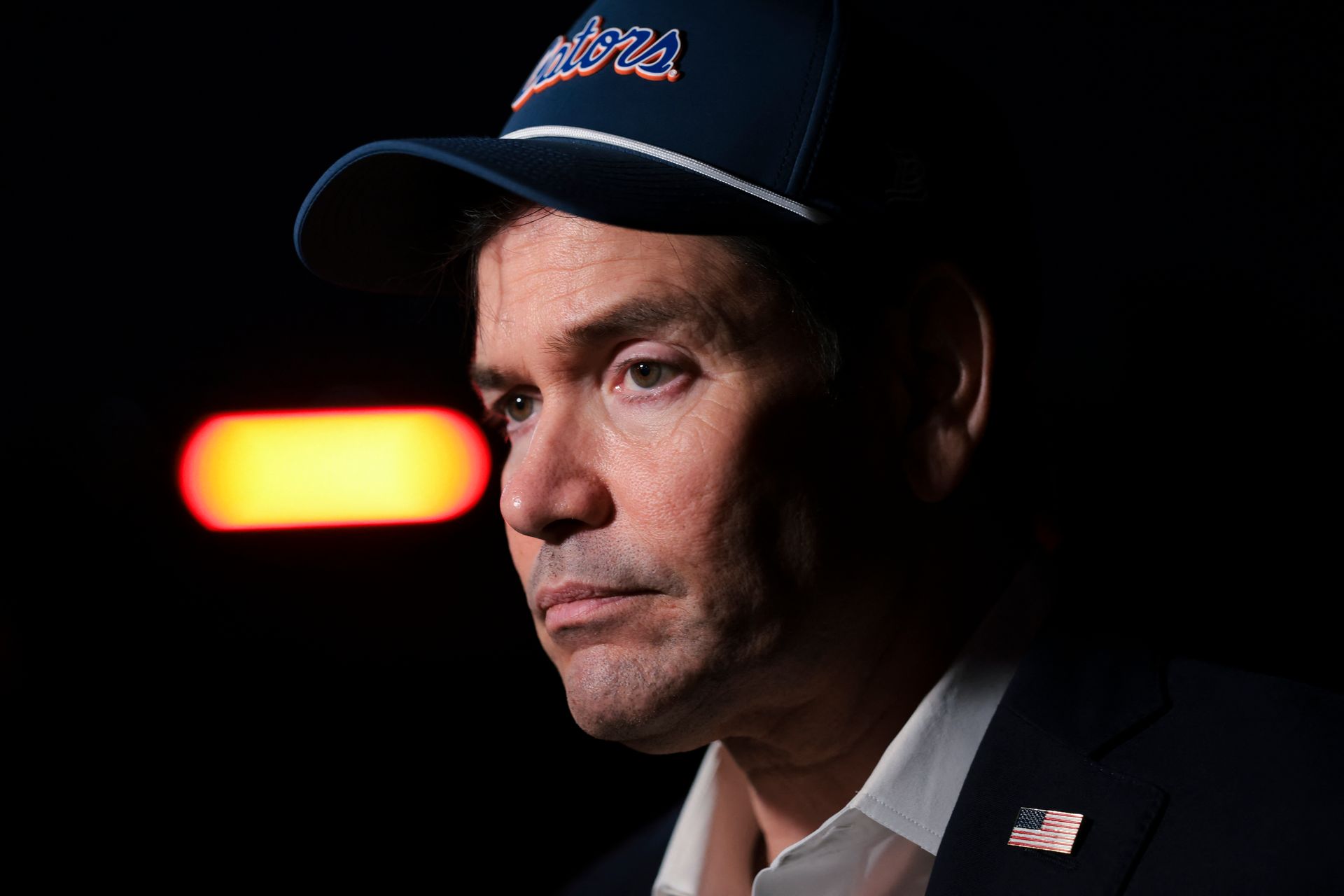
US President Donald Trump has extended an invitation for Iran to engage in direct negotiations, emphasizing the availability of communication channels amid heightened tensions described as a war between the two nations.[4] In an interview on Fox News' The Sunday Briefing, Trump remarked, "If they want to talk, they can come to us, or they can call us. You know, there is a telephone. We have nice, secure lines."[4] This statement comes at a critical juncture, as Trump also cancelled a planned trip by his envoys, Steve Witkoff and Jared Kushner, to Pakistan, signaling a shift in diplomatic approach.[4][5] The remarks underscore a potential pathway for de-escalation, positioning the United States as open to dialogue while maintaining a firm stance on security concerns linked to the broader conflict.[4] Trump's direct address to Iran highlights the immediacy of the situation, where telephone diplomacy is presented as a straightforward option for resuming talks that could address the root causes of the hostilities.[4] This overture arrives against the backdrop of ongoing military and proxy confrontations, where the US has positioned itself as a key player seeking resolution through negotiation rather than escalation.[4] The cancellation of the envoys' travel further illustrates the fluid nature of these diplomatic maneuvers, with Trump exerting control over the timing and venue of any potential discussions.[4] Analysts note that such public invitations can serve multiple purposes: signaling resolve to domestic audiences, pressuring Iran to the table, and calibrating international alliances in the region.[4] The specificity of "secure lines" suggests preparedness for high-level, confidential exchanges, potentially covering issues from nuclear restraints to regional proxy activities tied to terrorism United States classifications.[4] Trump's phrasing democratizes the initiation of talks, placing the onus on Iran while affirming US accessibility, a tactic that echoes historical diplomatic strategies in prolonged conflicts.[4]
Pakistan's Role in US-Iran Talks
Pakistan's top political and military leadership are actively working to restart negotiations between the United States and Iran following President Trump's instruction to his envoys not to travel to Islamabad.[5] Two Pakistani officials confirmed on Sunday that the leadership is scrambling to reignite talks after the abrupt cancellation of the weekend trip by Steve Witkoff and Jared Kushner.[5] This intervention positions Pakistan as a pivotal mediator, leveraging its strategic location and relations with both Washington and Tehran to bridge divides.[5] The effort reflects Islamabad's determination to prevent further deterioration in US-Iran relations, which could have ripple effects across South Asia and the Middle East.[5] Pakistani officials' involvement underscores the high stakes, as they race against time to salvage a diplomatic framework that appeared derailed by Trump's decision.[5] This mediation push comes amid Pakistan's historical role in facilitating backchannel communications, drawing on its military channels and political networks to foster dialogue.[5] The "racing to save" negotiations indicates urgency, with leadership coordinating across civilian and uniformed ranks to propose alternatives, possibly virtual meetings or alternative venues.[5] Trump's cancellation has evidently prompted a proactive response from Pakistan, highlighting the interdependence of regional actors in managing US-Iran frictions.[5] Such efforts could reinstate Islamabad as a neutral ground for talks, building on precedents where Pakistan has hosted or supported indirect discussions between adversaries.[5] The involvement of top echelons signals national priority, with potential implications for Pakistan's own security alignments in the terrorism United States framework, where Iran-related threats intersect with regional stability.[5] By stepping in post-cancellation, Pakistan aims to demonstrate its value as a diplomatic hub, potentially influencing future US engagements in the region.[5]
Broader Context of US-Iran Relations
The ongoing US-Iran tensions reveal a reported paradox where Israel benefits while the United States bears the costs, as highlighted in recent analysis.[2] This dynamic, covered by Pakistan Today and published on April 26, 2026, at 19:45:00Z, frames the Iran situation as one where American resources and strategic commitments subsidize gains for Israel amid the war.[2] The "Iran War Paradox" encapsulates how US involvement—financial, military, and diplomatic—sustains a conflict that disproportionately advantages Israel, according to the report.[2] In this context, US payments and engagements contrast with Israel's positional benefits, raising questions about alliance burdens in the terrorism United States landscape.[2] The analysis points to a structural imbalance, where Washington's role in countering Iran exposes it to direct costs, including potential escalations and economic strains.[2] This paradox situates Trump's negotiation offer within a larger geopolitical chessboard, where US openness to talks might recalibrate these costs.[2][4] Israel's gains are portrayed as indirect outcomes of US-led pressures on Iran, amplifying the need for diplomatic off-ramps like those proposed by Trump and supported by Pakistan.[2][5] The report's timing aligns with heightened war rhetoric, providing a lens on why mediation efforts, such as Pakistan's, gain traction.[2] US-Iran relations thus appear ensnared in a cycle where American sacrifices underpin allied security, complicating paths to resolution.[2] This broader view informs the stakes of Trump's "call us" invitation, potentially easing the paradox by shifting toward negotiation over confrontation.[2][4] Regional actors like Pakistan navigate this terrain, seeking to mitigate spillover effects from the US-borne burdens.[2][5]
The interplay of these elements—Trump's direct overture, Pakistan's mediation scramble, and the paradoxical costs—illustrates the intricate web of terrorism United States concerns in US-Iran dynamics. Diplomatic channels remain active, with public statements and behind-the-scenes efforts converging to avert further escalation.[2][4][5] Detailed examination of Trump's Fox News interview reveals a calculated blend of accessibility and authority, reinforcing US leverage while inviting response.[4] Pakistan's response, per officials, exemplifies regional proactive diplomacy, countering the envoys' cancellation with renewed commitment.[5] The paradox noted in coverage adds analytical depth, highlighting economic and strategic disparities that fuel calls for talks.[2]
What to watch next: Observers should monitor whether Iran responds to Trump's secure-line invitation and if Pakistan succeeds in reigniting envoys' involvement, as these could determine the trajectory of US-Iran negotiations amid the reported war paradox.[2][4][5]