
Strike in Lebanon: Israeli Attacks Kill 14 as Ceasefire Fails
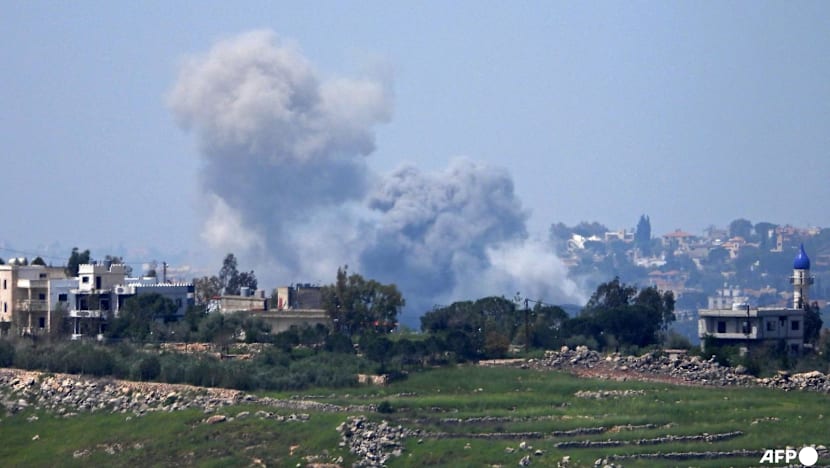
Israeli strikes have killed 14 people in Lebanon as the ceasefire with Hezbollah fails, following Prime Minister Benjamin Netanyahu's order to escalate attacks.[1][5] In this strike Lebanon escalation, the Israeli Defense Forces (IDF) have resumed operations in southern Lebanon, targeting areas beyond a designated buffer zone while warning residents to evacuate.[1] Over 2,500 people have been killed in Lebanon due to Israeli attacks since March 2, with 13 deaths reported in the past 24 hours amid ongoing ceasefire violations.[2] Widespread displacement has gripped southern Lebanon in the wake of these strikes, directly linked to Netanyahu's directive to intensify military offensives.[3] Hezbollah has responded with three attacks on Israeli forces in southern Lebanon, citing retaliation for ceasefire breaches and strikes on Lebanese towns.[4] Netanyahu's order came after cross-border exchanges of fire, including Hezbollah rocket and drone launches toward northern Israel.[5]
Background of the Conflict
The ongoing conflict between Israel and Hezbollah has seen a fragile ceasefire that has now collapsed, leading to renewed hostilities in southern Lebanon.[1] Strikes have resumed in the region as the agreement between Israel and Hezbollah failed to hold, prompting a series of military actions on both sides.[1] This breakdown follows a pattern of violations, with ceasefire infringements continuing to fuel tensions along the border.[2] The context involves exchanges of fire across the Israel-Lebanon border, where Hezbollah launched rockets and drones toward northern Israel, while Israeli forces operated south of the Litani River.[5] These incidents set the stage for further escalation, highlighting the challenges in maintaining the truce amid mutual accusations of breaches.
Prime Minister Benjamin Netanyahu's office issued a statement on Sunday detailing the order to respond forcefully, underscoring the immediate trigger for intensified operations.[5] The ceasefire, intended to prevent wider confrontation, has proven untenable as both parties engage in tit-for-tat actions.[1][2] Reports indicate that the failure of the ceasefire has allowed strikes to resume systematically in south Lebanon, affecting civilian areas and military positions alike.[1] This backdrop of repeated violations—described in coverage of the past 24 hours—illustrates how small-scale exchanges can rapidly spiral into broader military engagements.[2] The Litani River serves as a key geographical marker, with Israeli activities south of it drawing responses from Hezbollah, perpetuating a cycle of retaliation.[5]
In this environment, the buffer zone concept has emerged prominently, with Israel issuing warnings to residents in towns beyond it to leave, signaling preparations for expanded operations.[1] The ceasefire's collapse is not isolated but part of a larger narrative since March 2, where cumulative pressures have eroded diplomatic efforts.[2] Analysts note that such violations continue unabated, raising questions about the enforcement mechanisms of the agreement.[2] The involvement of Hezbollah's rocket and drone capabilities toward northern Israel adds a layer of cross-border threat, prompting Israel's strategic responses.[5] This historical context of border friction provides essential understanding for the recent surge in strike Lebanon activities, where military posturing dominates the landscape.[1][5]
Recent Israeli Military Actions
Israeli military actions have intensified following the ceasefire's failure, with strikes killing 14 people across Lebanon and targeting Hezbollah positions.[1] These operations resumed in southern Lebanon, accompanied by explicit warnings from Israel for residents to evacuate towns beyond the buffer zone.[1] Prime Minister Netanyahu ordered the IDF to strike Hezbollah targets in Lebanon "with force," a directive issued via a statement from his office on Sunday.[5] This escalation order directly responded to exchanges of fire, including Hezbollah's launches of rockets and drones toward northern Israel.[5]
The strikes represent a deliberate resumption of offensives, focusing on areas south of the Litani River where Israeli forces have been active.[5] Netanyahu's instruction marks a pivotal shift, authorizing aggressive targeting of Hezbollah infrastructure and personnel.[5] Coverage details how these actions have unfolded amid the ceasefire breakdown, with Israel positioning itself to counter perceived threats from the Lebanese side.[1] The buffer zone warnings underscore the scope of operations, advising civilians in specified towns to depart to avoid collateral risks.[1] This military posture aligns with Netanyahu's escalation the day prior to reported displacements, linking leadership decisions to on-ground impacts.[3]
Further detailing the actions, the IDF's strikes have been systematic, hitting multiple locations in south Lebanon as part of the renewed campaign.[1] The prime minister's order emphasizes force, reflecting a policy of deterrence against Hezbollah's border provocations.[5] Exchanges of fire preceded this, with Hezbollah's projectiles aimed at northern Israel prompting the forceful response.[5] These recent developments illustrate Israel's strategy to reclaim initiative post-ceasefire, operating beyond initial restraint zones.[1] The integration of evacuation advisories with strikes highlights operational planning to minimize civilian exposure while pursuing military objectives.[1]
{IMAGE_2}
Casualties and Deaths
Casualties from Israeli attacks in Lebanon have mounted significantly, with over 2,500 people killed since March 2.[2] In the past 24 hours alone, 13 deaths have been reported as ceasefire violations persist.[2] These figures capture the human toll of the ongoing operations, particularly in the context of renewed strikes following the truce's collapse.[2]
The cumulative death toll since early March underscores the protracted nature of the conflict, with Israeli attacks contributing to widespread fatalities across Lebanon.[2] Recent escalations have added to this grim statistic, with 13 lives lost in the immediate 24-hour period amid continued breaches.[2] This spike aligns with the broader pattern of violations that have undermined the ceasefire, leading to intensified military engagements.[2] Reports emphasize how these deaths occur in a compressed timeframe, reflecting the rapid pace of strike Lebanon operations.[2]
Detailing the impact, the over 2,500 killed represent a sustained campaign's consequences, tracked from March 2 onward.[2] The past day's 13 fatalities highlight acute risks in southern regions, where strikes have resumed post-ceasefire failure.[1][2] Ceasefire violations continue to drive these losses, preventing de-escalation and perpetuating exposure to hostilities.[2] This casualty summary provides a quantitative measure of the conflict's severity, grounded in verified reports of attacks and their outcomes.[2]
Displacement in Affected Areas
Southern Lebanon has experienced widespread displacement due to Israeli strikes, triggered after Prime Minister Benjamin Netanyahu's escalation order.[3] This mass movement of residents occurred the day after Netanyahu instructed the Israeli army to escalate offensives in Lebanon.[3] The strikes have directly prompted civilians to flee affected zones, exacerbating humanitarian challenges in the region.[3]
The displacement is tied explicitly to the military actions post-order, with southern areas bearing the brunt.[3] Netanyahu's directive to intensify operations set off this chain reaction, leading to evacuations as strikes hit populated locales.[3] Reports describe the scale as widespread, affecting communities in the strike's path and forcing relocations for safety.[3] This development follows closely on the escalation announcement, illustrating the immediate ripple effects of leadership decisions on civilian life.[3]
In southern Lebanon, the combination of strikes and the prior day's order has created conditions ripe for displacement.[3] Civilians in targeted vicinities have been compelled to leave, contributing to a broader pattern of internal migration amid hostilities.[3] The timing—directly after Netanyahu's instructions—links military policy to human mobility, with offensives driving families from homes.[3] This impact extends the conflict's reach beyond combatants, straining local resources and infrastructure in displaced areas.[3]
{IMAGE_3}
Hezbollah's Retaliatory Actions
Hezbollah has carried out three attacks on Israeli forces in southern Lebanon, framing them as retaliation for Israeli violations of the ceasefire and attacks on Lebanese towns.[4] The group explicitly cited these Israeli actions as justification for its operations against forces in the area.[4] These strikes represent a direct response to the resumed hostilities and ceasefire breaches.[4]
The three attacks targeted Israeli positions, underscoring Hezbollah's capability to counter south of the Litani River.[4][5] Retaliation stems from perceived violations, including strikes on Lebanese towns that prompted the group's military reply.[4] This sequence aligns with the broader exchanges, where Hezbollah's actions follow Israeli escalations.[1][4]
Hezbollah's statement details the attacks as proportionate responses, aimed at Israeli forces amid the ceasefire's failure.[4] The focus on southern Lebanon positions highlights ongoing border dynamics, with retaliation tied to specific incidents of violations.[4] These operations maintain pressure on Israeli activities, perpetuating the cycle observed in recent days.[4]
Border Exchanges and Netanyahu's Escalation Order
Exchanges of fire across the border preceded Prime Minister Netanyahu's order to the IDF to strike Hezbollah targets in Lebanon with force.[5] Hezbollah launched rockets and drones toward northern Israel, while Israeli forces conducted operations south of the Litani River, prompting the escalation.[5] Netanyahu's office statement on Sunday formalized this directive, responding to these provocations.[5]
These border incidents formed the catalyst for intensified actions, with mutual fire setting off the chain.[5] The order to strike "with force" reflects Israel's assessment of threats from Hezbollah's launches.[5] Operations south of the Litani underscore the tactical focus, directly linked to the exchanges.[5] This escalation order integrates with warnings and strikes, amplifying the response to cross-border threats.[1][5]
The sequence—Hezbollah projectiles followed by Netanyahu's command—illustrates reactive military strategy.[5] Northern Israel faced rocket and drone risks, justifying the forceful targeting of Hezbollah sites.[5] This context enriches understanding of the strike Lebanon dynamics, where border friction drives leadership decisions.[5]
What to watch next: Further ceasefire violations could lead to additional strikes and retaliations, as exchanges of fire continue and Netanyahu's escalation order remains in effect, with over 2,500 deaths since March signaling prolonged tensions.[2][5]