
Tensions Rise in Venezuela Following US Military Actions and Open Dialogue on Drug Trafficking
In a dramatic escalation of geopolitical tensions, Venezuelan President Nicolás Maduro has signaled a willingness to engage in discussions with the United States concerning drug trafficking. This development comes on the heels of a contentious US military operation that led to Maduro's capture, which has drawn widespread condemnation and raised concerns over the legality of US actions in the region.
On January 2, 2026, Maduro expressed openness to talks with US officials about drug trafficking, a significant issue in Venezuela, which has been heavily criticized for its role in the international drug trade. However, he sidestepped questions regarding a recent US military action that targeted Venezuelan drug infrastructure. This lack of clarity adds to the already heightened tensions between the two nations, following the US government's claims of military strikes against drug trafficking networks within Venezuela.
The backdrop to these discussions is marked by a series of oil tanker arrivals in Venezuela, despite an ongoing US blockade aimed at crippling the nation's oil exports. State-run oil company PDVSA has been instrumental in maintaining crude sales, indicating that Venezuela is attempting to bolster its economy amidst increasing external pressures. These developments highlight the complexity of Venezuela's situation, as the nation attempts to navigate international sanctions while dealing with internal and external conflicts.
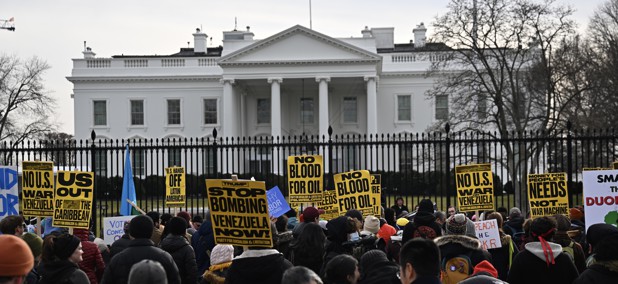
The US military operation that resulted in Maduro's capture has been met with mixed reactions globally. President Donald Trump announced that the US would "run" Venezuela following Maduro's arrest, a statement that has been condemned by various nations and human rights advocates. Critics have labeled the US operation as an "act of war," with New York City Mayor Zohran Mamdani denouncing it as a violation of international law. A significant backlash has emerged from countries including China, Russia, and Iran, all of whom view the US actions as aggressive and unjustified.
In response to the escalating situation, the US Congress is set to vote on a war powers resolution aimed at limiting Trump's military actions in Venezuela. This comes amid fears of a prolonged military engagement, similar to past US interventions that have led to drawn-out conflicts. Former Trump administration official Robert Wilkie claimed that the capture of Maduro dealt a significant blow to adversaries such as Russia and China, framing the operation as a critical success for US foreign policy.
As tensions continue to simmer, various international leaders have called for a peaceful and democratic transition of power in Venezuela. Australian Prime Minister Anthony Albanese is among those advocating for a diplomatic resolution, urging a non-violent approach to the ongoing crisis. However, with military actions already initiated, the outlook for peaceful negotiations remains uncertain.
The situation in Venezuela serves as a stark reminder of the fragile state of international relations in the region. As Maduro seeks to engage in talks over drug trafficking while facing the repercussions of a US-led military operation, the potential for further conflict looms large. The international community remains divided on how to address the developments, with many advocating for diplomacy while others prepare for potential escalations.
In conclusion, the unfolding events in Venezuela underscore the complexity of geopolitical dynamics in Latin America, as nations grapple with issues of sovereignty, drug trafficking, and military intervention. As both the US and Venezuela navigate this precarious situation, the coming weeks will be crucial in determining the future of Venezuela's political landscape and its relations with the global community.






