
Tensions Escalate Between Saudi Arabia and UAE Over Yemen's Future
Recent developments in Yemen have brought to light escalating tensions between two key Gulf Cooperation Council (GCC) members, Saudi Arabia and the United Arab Emirates (UAE). This rift highlights the complex geopolitical landscape of the region, as both nations grapple with their respective roles in the ongoing conflict in Yemen, which has been mired in war and humanitarian crisis since 2015.
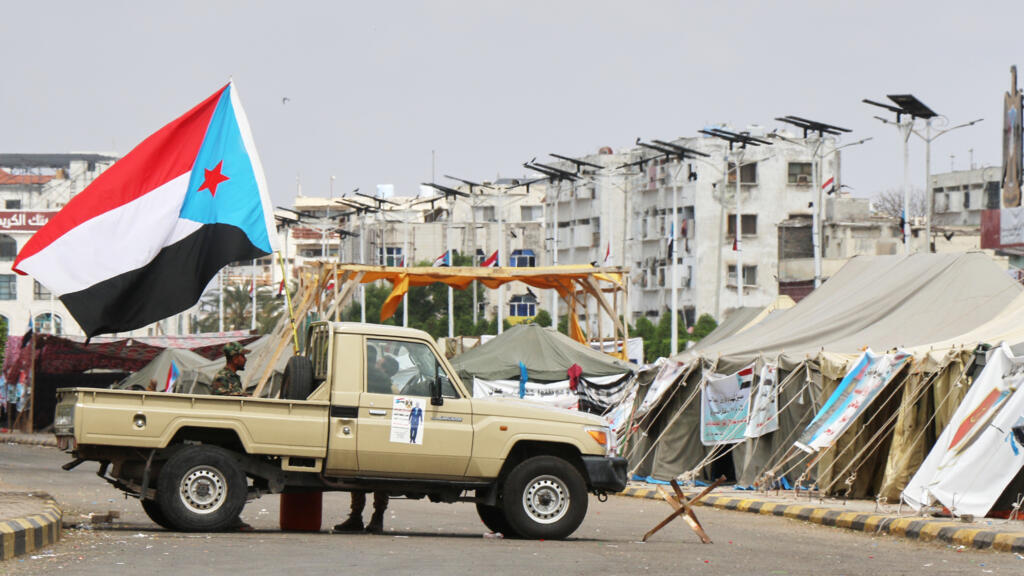
The situation intensified on January 2, 2026, when the UAE announced a withdrawal of its troops from southern Yemen, signaling a significant shift in its military engagement in the region. While this move was framed as a de-escalation, it has raised alarms about the potential future of Yemen and the broader implications for regional stability, as both nations have historically held differing views on how to manage the country's ongoing conflict.
The BBC reports that this confrontation between Saudi Arabia and the UAE underscores a deeper rift regarding the future governance of Yemen. As both countries have supported different factions in the war, the withdrawal of Emirati forces raises questions about the viability of the Saudi-led coalition and its ability to maintain control over the southern regions of Yemen, which have been crucial in the fight against Houthi rebels.
The UAE's troop withdrawal is seen as a strategic recalibration, possibly influenced by its desire to reduce military expenditures and focus on domestic issues. However, experts warn that this decision could lead to a power vacuum in the south, potentially exacerbating the already dire humanitarian situation and complicating peace efforts. The UAE's decision to pull back has been characterized as a retreat from its earlier, more aggressive military posture, which had included significant involvement in the Yemeni civil war alongside Saudi forces.
As reported by France24, the ongoing tensions reflect a complex relationship between the two Gulf powers. They have been described as "frenemies," a term that encapsulates their simultaneous cooperation and rivalry in the region. While both countries have collaborated in various military operations against the Houthi rebels, their differing strategies and objectives have increasingly brought them into conflict, particularly regarding the governance of southern Yemen.
Background
The Yemeni Civil War, which erupted in 2015, has led to widespread devastation and one of the world's most severe humanitarian crises. The conflict pits the internationally recognized government, backed by Saudi Arabia and the UAE, against the Houthi movement, which has been supported by Iran. The war has displaced millions and left the population facing famine and disease.
The GCC, established to promote political and economic cooperation among its member states, has found itself divided as the conflict in Yemen continues to unfold. Saudi Arabia views the conflict as a critical front in its regional rivalry with Iran, while the UAE has pursued its own interests by supporting local militias and seeking to expand its influence in southern Yemen.
Conclusion
As Yemen's future hangs in the balance, the tensions between Saudi Arabia and the UAE signal a critical juncture not only for the country itself but also for the broader geopolitical dynamics in the Gulf region. The withdrawal of Emirati troops may provide a temporary reprieve in military confrontations, but it raises significant concerns about the stability of southern Yemen and the potential for further conflict as regional alliances shift. The international community remains watchful, as the consequences of this rift could have lasting implications for peace efforts and humanitarian aid in one of the world's most troubled regions.






