
Taiwan President Vows to Defend Sovereignty Amid Rising Tensions with China
In a firm declaration of Taiwan's stance, President Tsai Ing-wen has vowed to protect the island's sovereignty in response to escalating military exercises conducted by China. This statement, made on January 2, 2026, underscores the heightened tensions across the Taiwan Strait, where military posturing from Beijing has become increasingly frequent and aggressive.
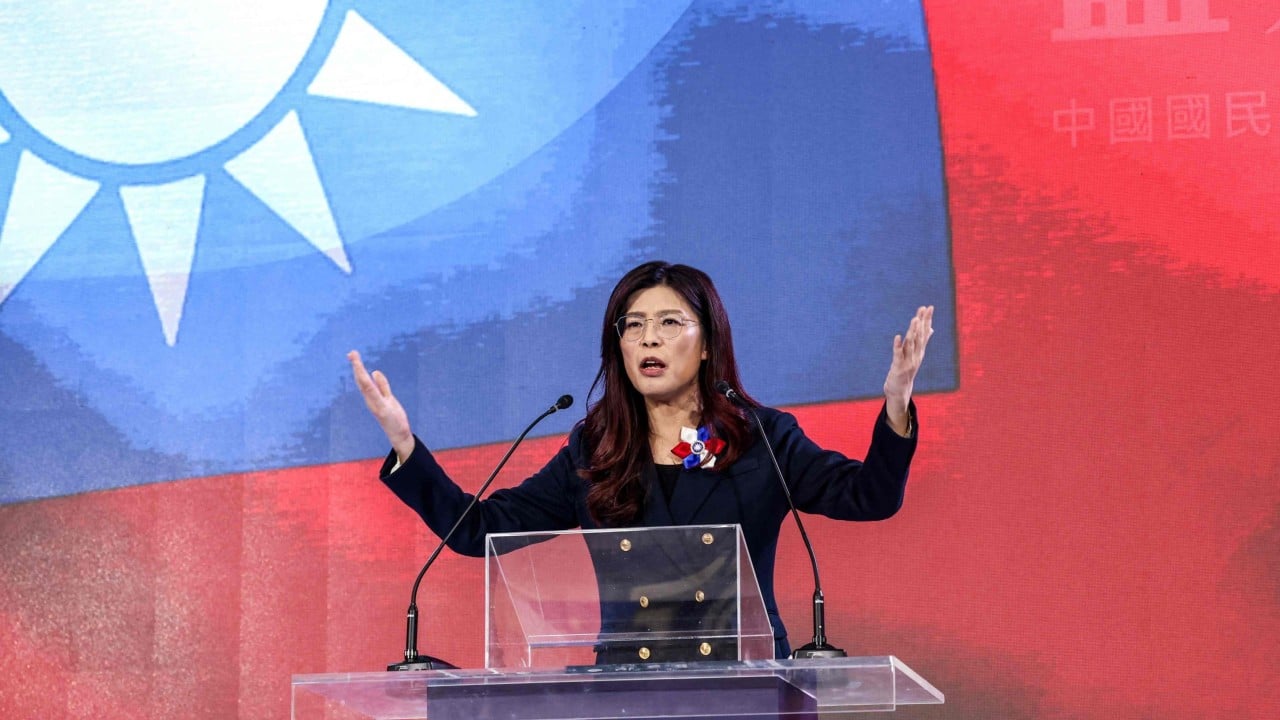
President Tsai's commitment comes at a time when China's military capabilities and assertiveness in the region have raised alarms both in Taiwan and among international observers. The Chinese government has conducted a series of large-scale military drills near Taiwan, which are perceived as a direct threat to the island's autonomy. During a speech, Tsai emphasized that Taiwan "will not bow to pressure" and reaffirmed her administration's resolve to safeguard national interests.
The timing of Tsai's remarks coincides with significant political developments within Taiwan, particularly regarding the opposition Kuomintang (KMT) party. Recently elected KMT chairwoman Cheng Li-wun is planning a visit to Beijing early this year, aiming to foster dialogue with Chinese President Xi Jinping. While this initiative has garnered support from some quarters as a potential means to ease cross-strait tensions, critics argue that it may inadvertently signal political alignment with Beijing during a period of increased military pressure.
Cheng's planned trip highlights the delicate balance Taiwan's political landscape faces between advocating for peace and maintaining a firm stance on sovereignty. Her supporters contend that engaging with Beijing could pave the way for improved communication, which many believe is essential for reducing tensions. However, detractors caution that such overtures may undermine Taiwan's position in the face of ongoing military threats.
The geopolitical situation in the Taiwan Strait remains precarious. Experts warn that any perceived concession or willingness to negotiate could embolden China's aggressive posture. The international community, particularly the United States, has shown support for Taiwan, reiterating its commitment to help defend the island's democratic governance and territorial integrity.
President Tsai's administration has sought to bolster Taiwan's defenses while simultaneously fostering international support. The Taiwanese military has been enhancing its capabilities and preparing for various contingencies in light of China's rising assertiveness. The U.S. has also reinforced its military presence in the region as a counterbalance to Chinese expansionism.
As Taiwan navigates this complex political landscape, the balance between dialogue and deterrence will be critical. The coming weeks may prove pivotal, especially with Cheng's potential visit to Beijing and the continued military drills by China. Political analysts are closely monitoring these developments, as they could significantly impact the future of cross-strait relations and regional stability.
In conclusion, Taiwan stands at a crossroads, faced with the challenge of defending its sovereignty while engaging in dialogue that could either ease or exacerbate tensions with China. The actions taken by both President Tsai and KMT chairwoman Cheng will be closely scrutinized as the international community watches how this delicate situation unfolds.