
Taiwan President Vows to Defend Sovereignty Amid Rising Tensions with China
Taiwan's President has reaffirmed the island's commitment to defending its sovereignty in the face of escalating military exercises conducted by China. This declaration, made on January 2, 2026, comes as cross-strait relations remain fraught with tension, particularly following recent military maneuvers by Beijing that have raised alarms in Taipei and among international observers.
In a statement to the press, President Tsai Ing-wen emphasized that Taiwan would not back down in the face of external pressure, asserting, "We will defend our sovereignty and our way of life." This proclamation underscores the government's insistence on maintaining Taiwan's autonomy amid increasing assertiveness from China, which views Taiwan as a breakaway province.
The backdrop to this declaration includes a series of military drills conducted by the People's Liberation Army (PLA) in the Taiwan Strait, which have been interpreted as a show of strength and a warning to Taiwan's leadership. The exercises have involved aerial and naval forces, heightening concerns among Taiwanese citizens and prompting calls for enhanced defense measures.
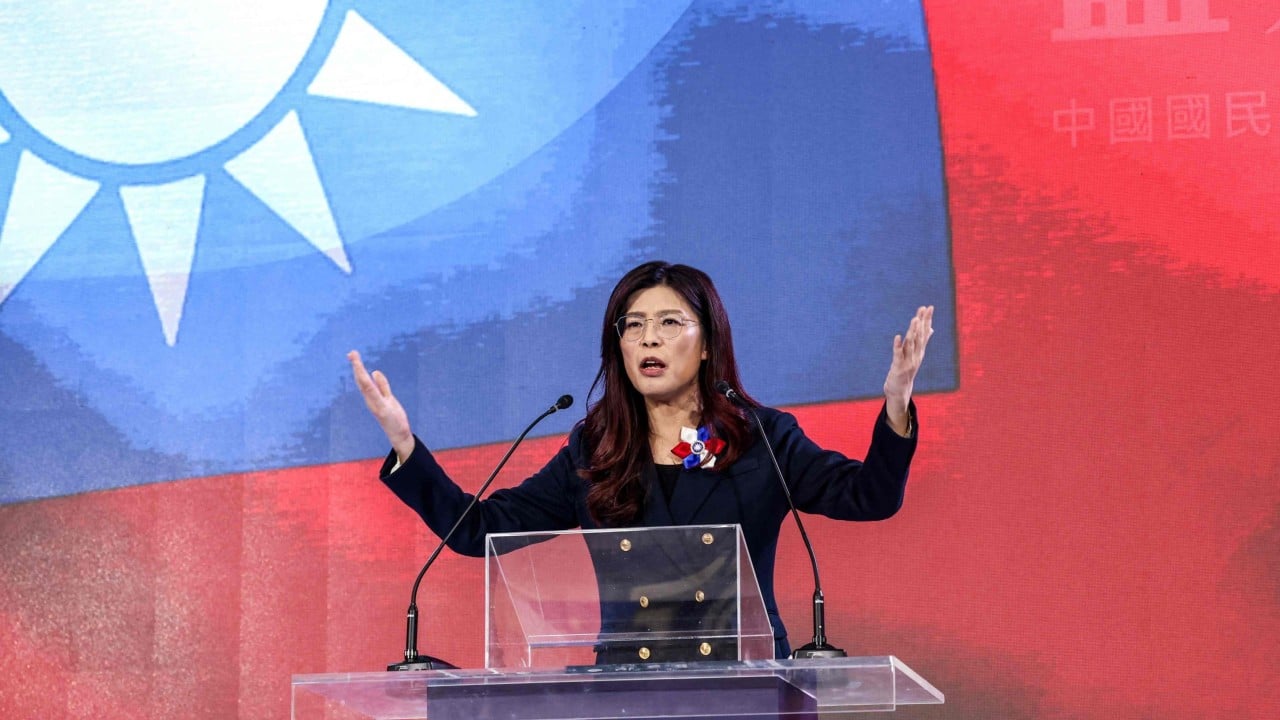
In response to the current geopolitical climate, the new chair of Taiwan's main opposition party, the Kuomintang (KMT), Cheng Li-wun, has expressed intentions to visit Beijing early this year. Her planned trip aims to foster dialogue and potentially ease tensions, as she hopes to meet with Chinese President Xi Jinping. While some view Cheng's initiative as a chance to open communication channels, critics argue it may signal a dangerous alignment with Beijing at a time when national sovereignty is at stake.
Cheng's approach reflects a broader ideological divide within Taiwanese politics regarding relations with China. The KMT has traditionally favored closer ties with the mainland, contrasting sharply with Tsai's Democratic Progressive Party (DPP), which prioritizes Taiwan's independence and democratic values.
The timing of Cheng's proposed visit coincides with a period of heightened military activity by China, which has included frequent incursions into Taiwan's air defense identification zone (ADIZ). Such actions have drawn condemnation from the Taiwanese government and resulted in increased military readiness. Analysts believe that Cheng's outreach to Beijing could be perceived as a political gamble, where the stakes are high not only for her party but for Taiwan's future security and international standing.
The ongoing tensions have prompted discussions among Taiwanese citizens regarding the best path forward. Many are concerned about the implications of any political alignment with China, especially given the recent history of military confrontations and the desire to maintain Taiwan's democratic governance.
As both sides navigate this complex landscape, the situation remains fluid. Taiwan's leadership continues to call for international support, emphasizing the importance of a united front against coercive actions from Beijing. The U.S. and other allies have reiterated their commitment to Taiwan's defense, further complicating the geopolitical dynamics in the region.
In conclusion, Taiwan finds itself at a critical juncture where the decisions made by its leaders and political parties will have lasting implications for its sovereignty and security. As President Tsai insists on defending Taiwan’s autonomy, the actions of the KMT and its leadership will be closely monitored, both domestically and internationally, as Taiwan's future remains uncertain amidst rising tensions with China.






