
Taiwan President Vows to Defend Sovereignty Amid China's Latest Military Drills, as US Think Tank Projects Heavy PLA Losses in Invasion Scenario
Taipei, Taiwan – Taiwan's President has pledged to robustly defend the island's sovereignty following a fresh round of military exercises by China, signaling heightened geopolitical tensions across the Taiwan Strait. The commitment, announced on January 2, 2026, underscores Taipei's resolve amid Beijing's persistent pressure tactics, while a recent analysis from a US think tank highlights the potential high costs for China's People's Liberation Army (PLA) in any full-scale conflict.
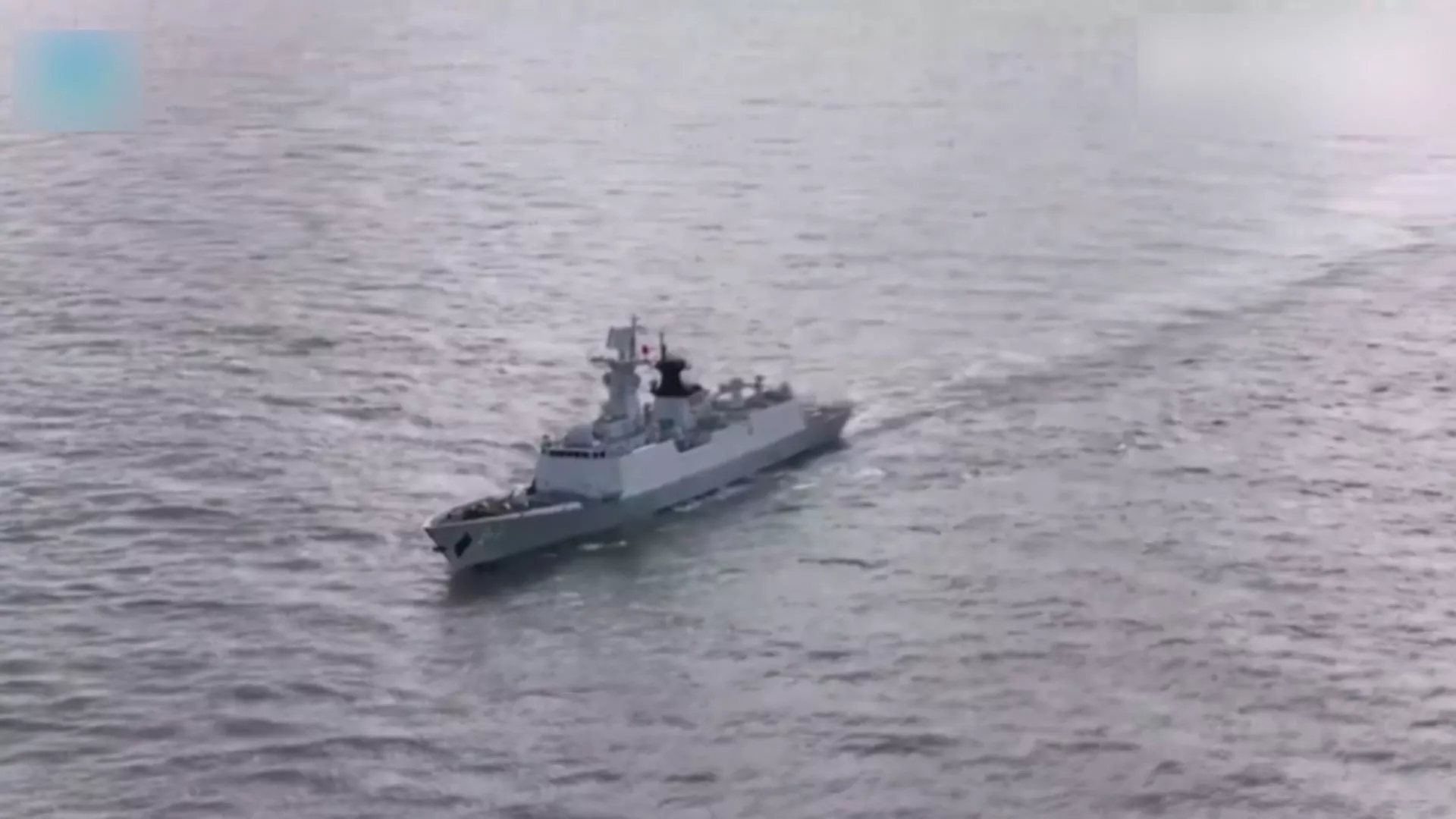
The presidential statement came in direct response to Chinese military activities detected around Taiwan on or about January 2, 2026. According to official reports, these exercises involved significant deployments of PLA aircraft, naval vessels, and possibly missile units encircling the island, a pattern familiar from previous "gray zone" operations. Taiwan's Ministry of National Defense has routinely tracked such incursions, which Beijing frames as routine training to assert its territorial claims over Taiwan, which it views as a breakaway province. The president's vow emphasizes a commitment to safeguarding Taiwan's de facto independence and democratic way of life, without specifying immediate countermeasures beyond standard readiness protocols.
This latest flare-up occurs against a backdrop of escalating cross-strait frictions. Since the election of President Lai Ching-te in January 2024, China has intensified its military posturing, including large-scale drills simulating blockades and amphibious assaults. Notable precedents include the unprecedented exercises following US House Speaker Nancy Pelosi's visit to Taiwan in August 2022, which encircled the island for days, and similar actions after Lai's inaugural address in May 2024, where he reiterated Taiwan's distinct identity. These maneuvers are part of China's "anti-secession" strategy, codified in its 2005 Anti-Secession Law, which authorizes force if Taiwan pursues formal independence.
Adding a layer of strategic analysis to the current tensions, a report published on January 6, 2026, by Taiwan's Public Television Service News Network (PTS/PNN) detailed findings from a US think tank assessing a hypothetical full-scale Chinese invasion of Taiwan. The analysis estimates that the PLA could suffer up to 100,000 fatalities before being compelled to withdraw. This projection factors in Taiwan's asymmetric defenses—such as anti-ship missiles, mobile artillery, and terrain advantages—combined with potential international support, particularly from the United States, which maintains strategic ambiguity on intervention but sells arms to Taiwan under the Taiwan Relations Act of 1979.
The think tank's assessment aligns with broader Western military analyses. For instance, reports from institutions like the Center for Strategic and International Studies (CSIS) and RAND Corporation have long warned of the immense logistical challenges China would face in crossing the 100-mile-wide Taiwan Strait, including vulnerability to submarine warfare, air superiority contests, and urban guerrilla resistance on Taiwan's rugged terrain. The projected casualty figures serve as a deterrent signal, suggesting that even a "victory" for Beijing could come at devastating human and political costs, potentially eroding domestic support for President Xi Jinping's leadership.
Background on Taiwan Strait Tensions
The Taiwan Strait remains one of the world's most volatile flashpoints, where US-China rivalry intersects with longstanding sovereignty disputes. Taiwan, officially the Republic of China (ROC), has governed itself separately since the Chinese Civil War ended in 1949, when Nationalist forces retreated to the island. Beijing's People's Republic of China (PRC) insists on "reunification," by force if necessary, while Taiwan's population—over 23 million—overwhelmingly favors the status quo of de facto independence, as shown in consistent public opinion polls.
US involvement adds complexity. Washington provides Taiwan with defensive weapons worth billions annually and conducts freedom-of-navigation operations in the region. The 2022 US National Defense Strategy identifies a Chinese invasion as a primary threat, prompting allies like Japan and Australia to bolster regional deterrence. Economic stakes are immense: Taiwan produces over 90% of the world's advanced semiconductors via TSMC, making any conflict a global supply chain crisis.
In recent years, China's military modernization has narrowed capability gaps. The PLA Navy now boasts the largest fleet by hull count, with advanced carriers like the Fujian commissioning in 2024. Yet, exercises like those on January 2 reveal ongoing rehearsals for coercion short of war, testing Taiwan's responses and US resolve.
Outlook and Regional Implications
Taiwan's leadership has stressed self-reliance, investing in indigenous weapons like the Yunfeng missile corvettes and extending conscription to one year in 2024. International reactions to the latest drills have been measured: The US State Department reiterated support for peaceful resolution, while Japan's Self-Defense Forces monitored PLA movements closely.
As tensions persist, the US think tank's casualty estimates may influence deterrence calculus on both sides. For Beijing, they highlight risks to its "no-limits" partnership with Russia and economic goals. For Taiwan, they reinforce the narrative of credible defense. No immediate escalation has been reported post-January 2, but vigilance remains high, with Taiwan's air force scrambling jets multiple times daily against PLA incursions.
Global observers watch closely, as stability in the strait underpins trade routes carrying half the world's container shipping. Diplomatic channels, including US-China summits, continue to urge restraint, but the trajectory points to sustained pressure rather than de-escalation.
(Word count: 748)






