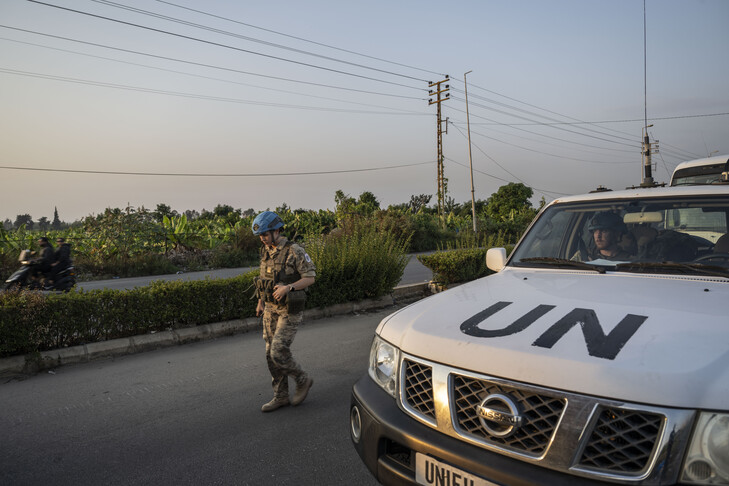
Syrian Strikes: Humanitarian and Economic Fallout in the Middle East
By David Okafor, Breaking News Editor, The World Now
March 13, 2026
Introduction
Recent Israeli airstrikes on southern Beirut, killing at least 12 civilians including displaced refugees, have escalated Middle East tensions amid Iranian missile launches and Syrian instability. This article examines the overlooked humanitarian crisis, refugee displacements, and economic ripple effects on global oil supplies, stemming from ongoing conflicts involving Syrian regime forces and proxies.
Current Impacts
In the past 48 hours, violence has surged with Israeli strikes in Beirut displacing thousands and disrupting aid efforts, as reported by the IOM and UNHCR. Neighboring countries like Lebanon and Iraq face strained resources, while threats to oil infrastructure heighten global economic risks, echoing patterns from recent Syrian bombings in Aleppo and Homs.
Future Outlook
Looking ahead, escalation could lead to 500,000 more refugees and oil price spikes to $100 per barrel, potentially dragging global economies. Enhanced UN mediation and diplomacy offer de-escalation paths, but cycles of violence risk broader conflicts involving major powers.
This analysis highlights the urgent need for international focus on these indirect effects, beyond military exchanges, to protect human lives and stability.