
Syrian Army Launches Artillery Strikes on SDF Positions in Aleppo as US Targets ISIS Remnants
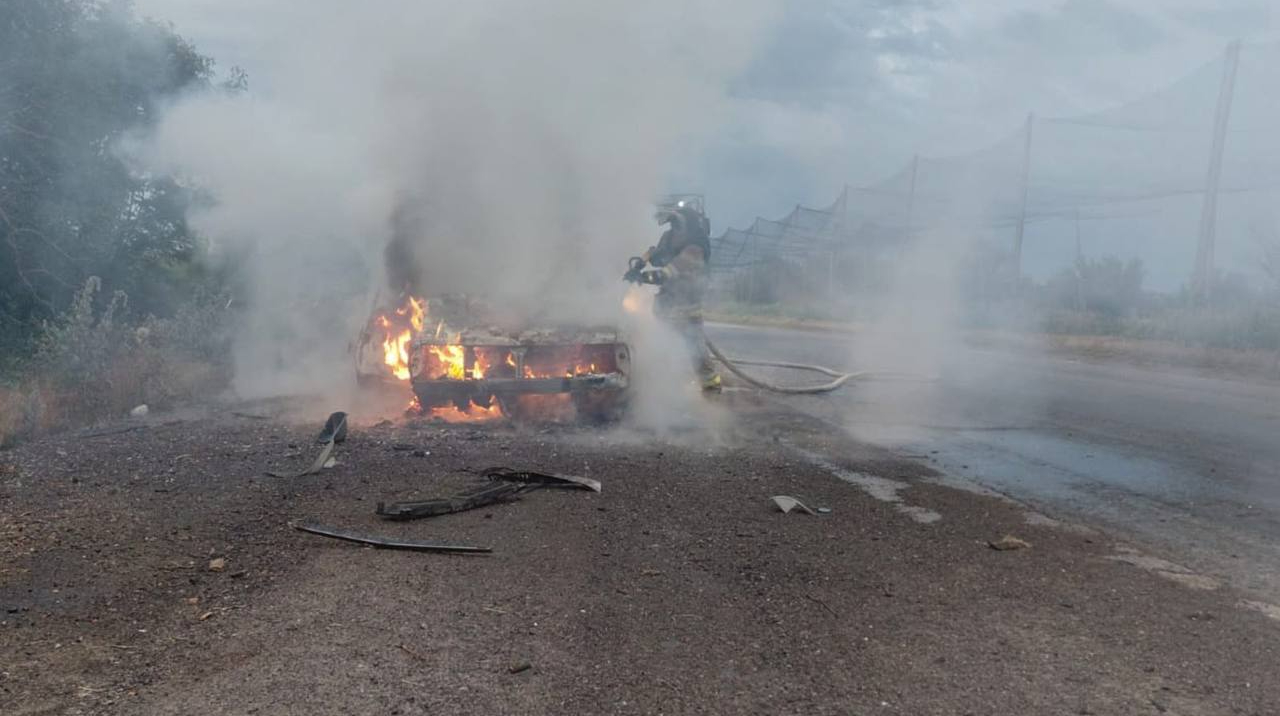
Aleppo, Syria – Syrian government forces initiated intense artillery barrages against positions held by the Kurdish-led Syrian Democratic Forces (SDF) in neighborhoods across Aleppo city on January 8, 2026, marking a significant escalation in ongoing hostilities in northern Syria. The strikes, described as concentrated and high-severity, come amid a complex web of regional conflicts involving multiple actors, including recent U.S. airstrikes targeting Islamic State (ISIS) holdouts elsewhere in the country.
The Syrian army's offensive targeted SDF-controlled areas within Aleppo, a city long contested in Syria's civil war. According to real-time event tracking data, the barrages began at approximately 1:09 PM GMT on Thursday, January 8, focusing on urban neighborhoods. The SDF, a U.S.-backed coalition primarily composed of Kurdish fighters from the People's Protection Units (YPG), has maintained a presence in parts of Aleppo despite repeated clashes with Syrian regime forces and Turkish-backed proxies. No immediate casualty figures were reported from the strikes, but the high severity classification underscores the potential for civilian disruption in densely populated areas.
This development follows a pattern of friction between Damascus and the SDF. The Syrian government, led by President Bashar al-Assad, views the SDF as an extension of separatist ambitions and has sought to reassert control over northern territories. Aleppo, Syria's largest city and a former economic hub, has been a flashpoint since rebels seized it in 2012, only for regime forces to recapture most of it in 2016 with Russian support. SDF elements have since operated in peripheral zones, often clashing with Turkish forces and their Syrian National Army allies over control of Kurdish enclaves.
Adding to the volatility, the United States announced on January 10, 2026, that it had carried out extensive airstrikes against ISIS targets in Syria, as reported by Finland's public broadcaster Yle. The U.S. military stated these operations aimed to degrade remaining ISIS capabilities, reflecting ongoing counterterrorism efforts in the region. U.S. forces have maintained a footprint in eastern Syria, primarily partnering with the SDF to combat jihadist groups since the 2014 campaign that liberated key areas like Raqqa from ISIS control. The timing of these U.S. actions, just days after the Aleppo strikes, highlights the multifaceted nature of Syria's conflict, where anti-ISIS operations intersect with local power struggles.
Background on Syria's Fractured Conflict Landscape
Syria's civil war, now in its 15th year, involves a dizzying array of players: the Assad regime backed by Russia and Iran; the SDF supported by the U.S.; Turkish forces and proxies combating Kurdish groups; and persistent ISIS cells exploiting the chaos. Aleppo province remains a strategic crossroads, bordering Turkey and hosting key highways linking Damascus to the north.
Recent months have seen heightened tensions. Turkish operations against SDF positions in 2024 and 2025 displaced thousands, while regime advances in Idlib and Aleppo countryside have squeezed opposition holdouts. The SDF, credited with dismantling the ISIS caliphate, faces accusations from Turkey of ties to the Kurdistan Workers' Party (PKK), designated a terrorist group by Ankara, Washington, and the EU. Meanwhile, U.S. strikes underscore Washington's commitment to preventing ISIS resurgence, with over 900 troops stationed in Syria as of late 2025, per Pentagon reports.
International observers, including the United Nations, have repeatedly called for de-escalation. A UN Security Council resolution in December 2025 urged ceasefires in northern Syria, but enforcement remains elusive amid veto powers held by Russia.
Implications and Regional Outlook
The Aleppo strikes risk drawing in external powers. Russia, which maintains airbases near Aleppo, could provide air cover for regime forces, while U.S.-SDF coordination might provoke Turkish retaliation. Analysts note that ISIS benefits from such infighting, using diversions to regroup in the Syrian desert (Badia region), the focus of recent U.S. operations.
No official statements from the Syrian government or SDF were immediately available regarding the January 8 strikes, but past patterns suggest Damascus would frame them as counterterrorism or sovereignty enforcement. The U.S. Central Command has not linked its ISIS strikes to the Aleppo events, emphasizing a narrow counter-ISIS mandate.
As winter sets in, humanitarian needs in Aleppo intensify. The Syrian Observatory for Human Rights reported over 500,000 displaced in northern Syria last year alone. Aid convoys face blockades, exacerbating food and fuel shortages.
The convergence of these strikes signals fragile stability. Diplomatic channels, including Astana process talks involving Turkey, Russia, and Iran, may reconvene, but history cautions against optimism. For Aleppo's residents, caught between artillery and airstrikes, the immediate outlook remains one of uncertainty in a war without end.
(Word count: 612)