Syrian Army Declares Victory in Aleppo as SDF Withdraws from Sheikh Maqsoud Amid Clashes and Massacre Accusations
Aleppo, Syria – The Syrian army has fully secured control of the strategic Sheikh Maqsoud district in Aleppo after days of intense clashes with the Kurdish-led Syrian Democratic Forces (SDF), forcing the last remaining SDF fighters to withdraw from the city. The escalation began on January 7, 2026, when Syrian military officials declared SDF-held positions legitimate targets, citing accusations of massacres in the area.
Aleppo's governor confirmed on January 11 that the final SDF fighters had vacated Sheikh Maqsoud, a predominantly Kurdish neighborhood that has long been a flashpoint in Syria's protracted civil war. This development marks a significant advance for government forces in northern Syria, where tensions between Damascus and the U.S.-backed SDF have simmered for years. The withdrawal comes after a series of confrontations that highlighted ongoing frictions over territorial control and alleged atrocities.
According to reports, the Syrian army launched operations targeting SDF positions in Aleppo, framing them as necessary responses to purported massacres attributed to the Kurdish forces. While specific details on the massacres remain unverified in independent reporting, the declaration on January 7 escalated hostilities, leading to days of fighting that culminated in the government's takeover of Sheikh Maqsoud. The Al Jazeera report quotes the Aleppo governor stating that "the last SDF fighters have left the city after the Syrian army took control," signaling an end to the immediate phase of urban combat.
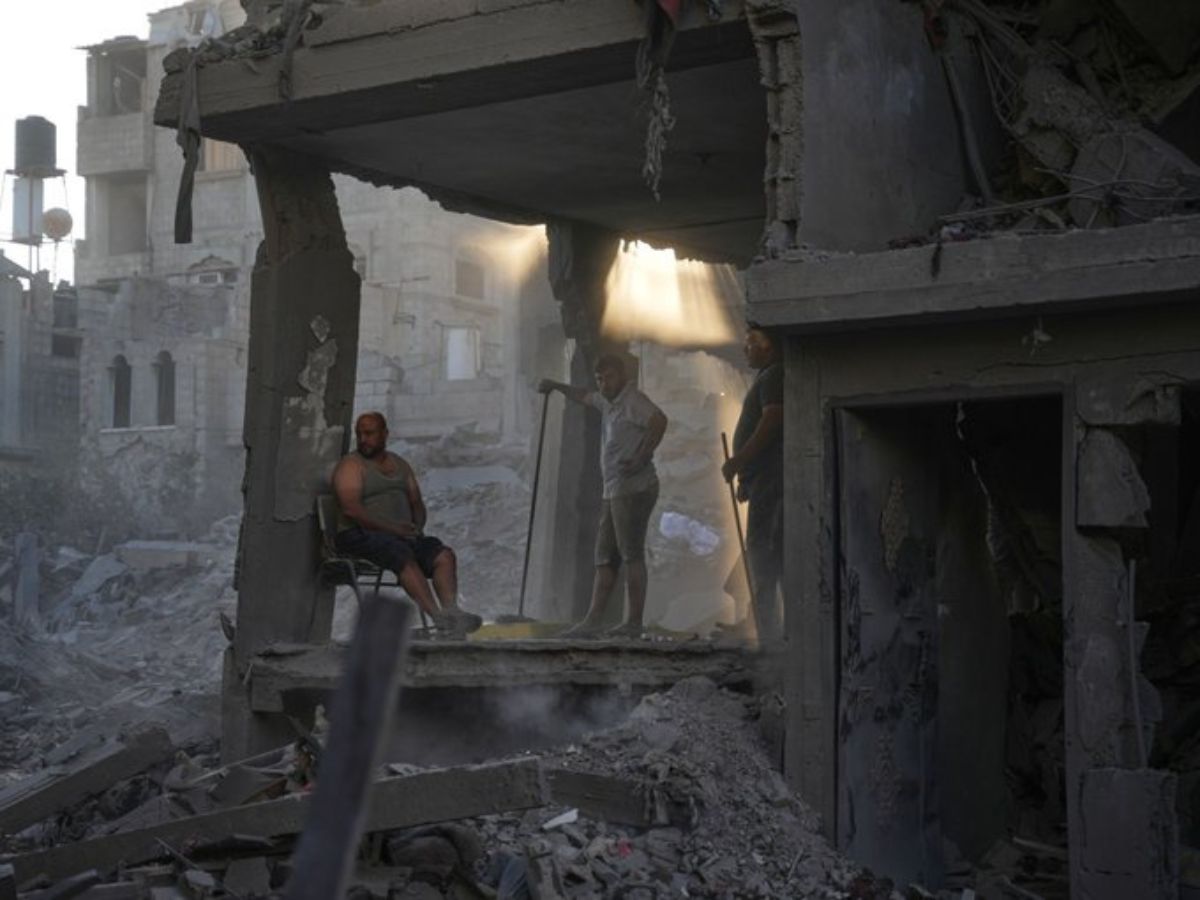
Eyewitness accounts from the area described heavy artillery fire and street battles, with residents caught in the crossfire. Sheikh Maqsoud, once a stronghold for SDF-aligned militias, had been under their influence since earlier phases of the conflict, providing a foothold in Syria's second-largest city. The SDF, which did not immediately issue an official statement on the withdrawal, has historically justified its presence in Aleppo as protection for Kurdish communities amid broader instability.
Escalation and Immediate Context
The clashes erupted against a backdrop of fragile ceasefires and competing claims in northern Syria. On January 7 at approximately 9:33 GMT, Syrian army spokespersons publicly identified SDF positions as "legitimate military targets," a move that severed any pretense of de-escalation. This high-severity incident, rated as such due to its potential to ignite wider confrontations, involved direct assaults on SDF defenses in Aleppo's urban core.
Government forces reported advances into key areas of Sheikh Maqsoud, leveraging superior artillery and infantry support. The SDF, known for its effective guerrilla tactics honed against ISIS, mounted resistance but ultimately pulled back, possibly to preserve forces for other fronts in Hasakah and Deir ez-Zor provinces. The severity of the event underscores the volatility of Aleppo, where control has changed hands multiple times since 2012.
Local civilians expressed relief at the cessation of fighting but voiced concerns over the humanitarian toll. Displaced families from Sheikh Maqsoud have sought shelter in adjacent neighborhoods, straining already limited resources. Syrian state media celebrated the operation as a "liberation" from "separatist elements," while SDF-aligned outlets portrayed the withdrawal as a tactical repositioning rather than defeat.
Historical Background on Syria's Fractured North
Syria's civil war, which erupted in 2011 as pro-democracy protests against Bashar al-Assad's regime, has evolved into a complex mosaic of proxy battles involving regional powers. Aleppo, once Syria's economic hub, became a symbol of the conflict's brutality during the 2016 government recapture from rebel groups with Russian and Iranian backing.
The SDF emerged in 2015 as a coalition primarily of Kurdish People's Protection Units (YPG), partnering with Arab factions and receiving U.S. military support to combat the Islamic State (ISIS). By 2019, the SDF controlled much of northeast Syria, including oil-rich fields, creating persistent tensions with the Assad government, which views it as a separatist threat. Sheikh Maqsoud has been an SDF enclave within government-held Aleppo since 2012, tolerated during lulls but now a contested prize.
U.S. forces maintain a presence in SDF areas, complicating direct clashes with Syrian troops. Previous incidents, such as the 2018 Turkish offensive in Afrin and Manbij tensions, illustrate the SDF's precarious position between Damascus, Ankara, and Washington. The January 2026 events revive fears of renewed multi-front warfare, especially as Turkey eyes Kurdish militias across the border.
International observers, including the United Nations, have called for restraint. A UN statement from late 2025 warned that Aleppo escalations could displace tens of thousands, exacerbating Syria's humanitarian crisis, where over 16 million people require aid.
Outlook and Regional Implications
With SDF fighters now out of Aleppo, Syrian government forces may consolidate gains, potentially eyeing other Kurdish pockets. However, the accusations of massacres could fuel investigations by rights groups like Amnesty International or Human Rights Watch, which have documented abuses by all sides in past Aleppo battles.
The U.S. State Department expressed concern over the clashes, urging dialogue without endorsing either party. Russia and Iran, key Assad allies, have remained silent, possibly viewing the operation as aligned with countering Western-backed groups.
As Syria approaches the 15-year mark of its war, this Aleppo episode highlights enduring divisions. Stability hinges on potential U.S.-SDF negotiations with Damascus, but historical precedents suggest prolonged stalemates. For Aleppo's residents, the immediate priority is reconstruction amid rubble-strewn streets, as the cycle of conflict persists.
(Word count: 748)