Syria Navigates Post-Assad Transition Amid Diplomatic Outreach, Turkish Pressure, and Israeli Border Activity
Damascus, Syria – Syria's interim President Ahmad al-Sharaa engaged in dialogue with Kurdish leader Masoud Barzani on Friday, emphasizing Kurdish rights and regional stability, as Turkey urged Syrian Democratic Forces (SDF) compliance with prior agreements and Israeli troops conducted a brief incursion into southern Syria. These developments underscore the fragile geopolitics in Syria following the ouster of Bashar al-Assad in late 2024.
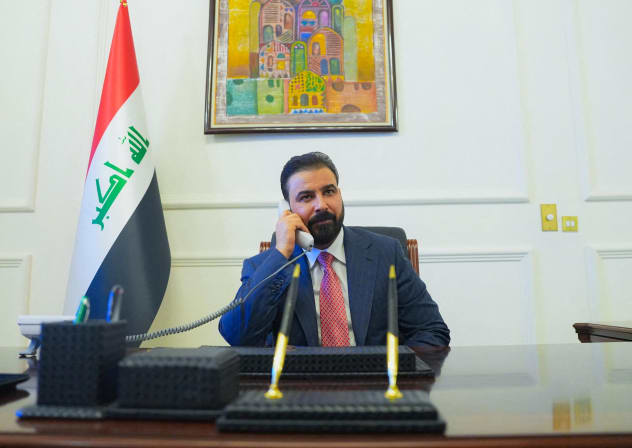
Al-Sharaa, who leads the transitional government after Hayat Tahrir al-Sham (HTS) forces captured Damascus, held a phone call with Barzani, president of Iraq's Kurdistan Regional Government (KRG). According to reports, Al-Sharaa highlighted the rights of Kurds within Syria, calling for cooperation to foster stability amid ongoing shifts in the country's control. The discussion also covered broader regional developments, reflecting efforts to integrate Kurdish factions into the national framework as Syrian forces, now aligned with the new administration, expand influence in northern areas previously dominated by the U.S.-backed SDF, an umbrella group largely comprising Kurdish YPG fighters.
This outreach comes as Syria's military asserts greater control over Aleppo regions once held by the YPG/SDF, signaling a push toward centralized authority. Barzani, a prominent Sunni Kurdish figure with influence across the Iraq-Syria border, has long advocated for Kurdish autonomy while maintaining ties with Ankara and Baghdad. The conversation aligns with Al-Sharaa's recent rebranding from his HTS militant past to a statesmanlike role, aiming to reassure minorities and attract international legitimacy.
In a related vein, Turkish Foreign Minister Hakan Fidan reiterated Ankara's expectations for the SDF to adhere to a March 10 agreement, believed to outline SDF withdrawals from key Syrian territories in exchange for integration or disarmament. Speaking on Friday, Fidan stressed the need for public order and a sustained campaign against terrorism, implicitly referencing the SDF's ties to the Kurdistan Workers' Party (PKK), which Turkey designates as a terrorist group. "Türkiye expects the SDF to comply with the March 10 deal," Fidan stated, according to Anadolu Agency, underscoring Ankara's longstanding opposition to Kurdish militias along its border.
Turkey has conducted multiple cross-border operations since 2016 to counter YPG/SDF presence in northern Syria, establishing safe zones and supporting Syrian National Army proxies. The March 10 deal, reportedly negotiated earlier in 2026, represents a diplomatic track to resolve these tensions without further military escalation. Fidan’s comments coincide with reports of Syrian army advances in Aleppo, potentially pressuring the SDF to negotiate as U.S. support wanes amid shifting priorities in the post-Assad era.
Adding to the border tensions, Israeli forces staged a new incursion into Syria's Quneitra countryside, near the occupied Golan Heights. Syrian state media reported that troops entered the area, established a temporary checkpoint, and later withdrew. This follows a pattern of Israeli actions since Assad's fall, aimed at securing a buffer zone against Iranian-backed militias and Hezbollah supply lines that once traversed southern Syria.
Israel has intensified strikes and ground operations in Syria post-2024, citing threats from residual pro-Iranian elements. The Quneitra region, adjacent to the Golan Heights annexed by Israel in 1981 (a move unrecognized internationally), has seen repeated incursions, including the establishment of outposts by Israeli-allied Druze militias. Friday's event, described as brief by Syrian outlets, highlights ongoing Israeli vigilance as Damascus consolidates power.
Background: Syria's Turbulent Transition
Syria's civil war, ignited in 2011, displaced millions and drew in global powers including Russia, Iran, the U.S., Turkey, and Israel. Assad's regime collapsed in December 2024 after a rapid HTS offensive, ending over five decades of Ba'athist rule. Al-Sharaa, formerly known as Abu Mohammed al-Jolani, has since pledged inclusive governance, minority protections, and counter-terrorism reforms, dissolving HTS's militant structures.
Kurdish groups control oil-rich northeast Syria with U.S. backing against ISIS remnants, but face Turkish hostility and pressure to join a unified state. Turkey hosts 3.6 million Syrian refugees and views SDF control as a national security red line. Israel's actions stem from fears of power vacuums enabling extremists, having conducted over 1,000 airstrikes in Syria since 2011.
Outlook
These events on January 9, 2026, illustrate Syria's delicate balancing act: diplomatic overtures to Kurds for unity, compliance pressures on armed factions, and external interventions testing sovereignty. As Al-Sharaa's government seeks recognition—potentially from the EU and Arab states—stability hinges on implementing deals like March 10 and de-escalating border flashpoints. International monitors watch closely, with UN-mediated talks ongoing to prevent renewed conflict.
(Word count: 682)