
Switzerland Talks Yield Iran Commitments on Hormuz Transit and IAEA Access
High-level US-Iran peace talks held in Switzerland over the weekend produced commitments from Iran to allow free and open transit through the Strait of Hormuz and to readmit IAEA nuclear inspectors, with the US suspending some sanctions and both sides agreeing to a 60-day roadmap for a final deal amid Switzerland tensions.
Breakthroughs Announced After Switzerland Talks
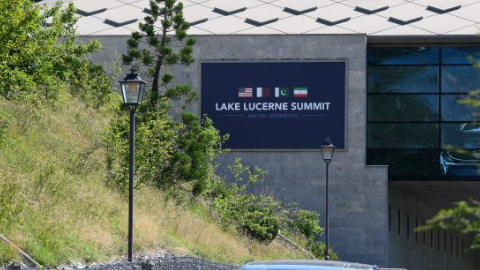
US Treasury Secretary Scott Bessent stated that Iran committed to free and open transit in the Strait of Hormuz. [2] The US issued a 60-day general license authorizing Iranian oil production and sales, suspending sanctions until August 21. [2] Vice President JD Vance announced that Iran agreed to IAEA inspections, calling it a major milestone toward ending Iran's nuclear weapons program, with inspections expected to begin this week. [1] The talks at the Bürgenstock resort near Lake Lucerne involved mediators from Pakistan and Qatar. [2] These steps followed a preliminary Islamabad MOU that halted hostilities for a 60-day period. [4]
Vance Describes Foundation for Final Deal
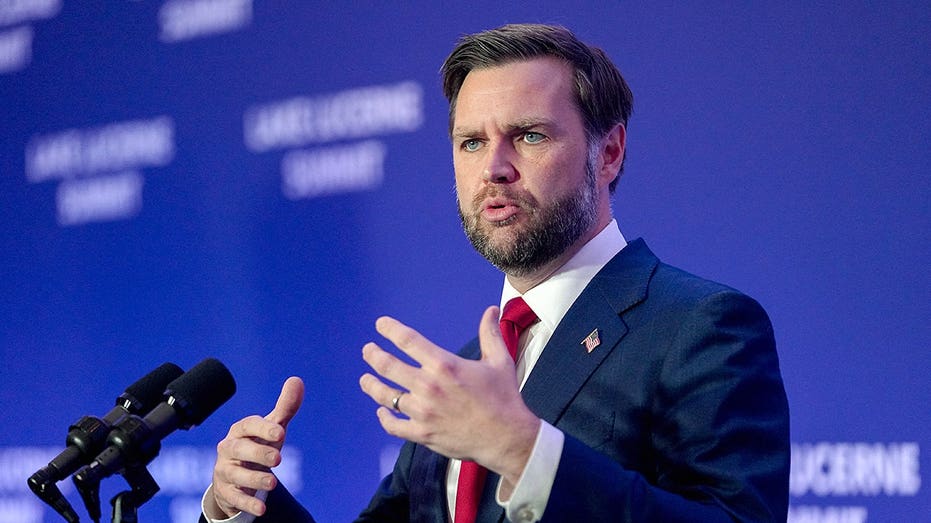
Vice President JD Vance announced that Iran agreed to IAEA inspections, calling it a major milestone toward ending Iran's nuclear weapons program, with inspections expected to begin this week. [1] He stressed that the weekend negotiations laid a very good foundation for a successful final deal. [2] Vance said the final deal is the house while the talks set the foundation without having built the house yet. [2] He also proposed using Iran's unfrozen assets to purchase US agricultural products and established a deconfliction mechanism to maintain ceasefire stability. [1] US President Donald Trump commented that everybody is fully aware that Iran will agree to have major weapons inspections in order to ensure nuclear honesty long into the future. [2]
Swiss Government Welcomes Progress
Switzerland's Foreign Ministry welcomed the constructive progress and the roadmap for a final agreement within 60 days, stating it remains ready to support the process. [3] The Swiss Foreign Ministry said the establishment of a high-level committee by the parties under the MoU signed by the United States and Iran is a positive step toward further political and technical processes. [3] The foreign ministry said the agreement on a roadmap aimed at reaching a final agreement within 60 days creates the conditions for the immediate resumption of new technical discussions. [3] Switzerland said it welcomes the constructive progress made during talks between Iran, the United States and the mediators that continued throughout Sunday night at the Buergenstock resort. [3]
Iran Disputes Nuclear Inspection Claims
Iranian officials disputed some US characterizations, stating no new commitments were made on nuclear inspections beyond existing parliamentary and security council procedures. [4] Iran's foreign ministry spokesperson Esmail Baghaei said it did not negotiate over the nuclear issue and no new commitments had been made regarding inspections during talks. [4] Baghaei added that any engagement with the agency would take place under existing procedures set by Parliament and the Supreme National Security Council. [4] Iran stressed that any agreements to let inspectors in would not be made without parliamentary approval and the sign-off of the Supreme National Security Council. [4]
Mediators Highlight Roadmap and Next Steps
The talks at the Bürgenstock resort near Lake Lucerne involved mediators from Pakistan and Qatar, resulting in a high-level committee for oversight, a deconfliction mechanism involving Lebanon, and plans for continued technical talks. [2] Pakistan and Qatar said in a joint statement that encouraging progress has been made, including the creation of a mechanism for further technical talks. [2] The mediating parties will continue to do their utmost to ensure that the negotiations continue to be conducted in a constructive atmosphere with the aim of reaching a final deal. [2] The committee has also agreed on a roadmap toward reaching a final deal within 60 days, laying the foundation for the immediate commencement of further technical talks. [3] The parties agreed to create a de-confliction cell involving the parties and the Lebanese Republic, facilitated by the mediators, to ensure adherence to the termination of military operations in Lebanon. [3] Technical talks will continue for the remainder of the week at the Buergenstock resort on all issues. [3]
Context of Ceasefire and Regional Impact
The talks at the Bürgenstock resort near Lake Lucerne involved mediators from Pakistan and Qatar, resulting in a high-level committee for oversight, a deconfliction mechanism involving Lebanon, and plans for continued technical talks. [2] The US and Iran are holding talks in Switzerland under the auspices of the Islamabad Memorandum of Understanding that was signed between the two countries bringing hostilities to a halt for a 60-day period to allow for technical negotiations. [4] On Saturday, Trump said that there will be no tolls after the 60-day period expired, but indicated that the US could impose a toll. [2] Trump wrote there will be no tolls in the Hormuz Strait for 60 days during the cease fire period and there will be no tolls after the 60 day period has expired unless they are imposed by and for the United States of America. [2] Iran's chief negotiator Mohammad Bagher Ghalibaf announced he would be traveling to Oman to discuss bilateral cooperation and joint efforts to consolidate the management of the Strait of Hormuz. [4]
What to watch next: Technical talks will continue for the remainder of the week at the Buergenstock resort on all issues while Iran's President Masoud Pezeshkian will visit Pakistan on Tuesday to continue discussing the negotiations.