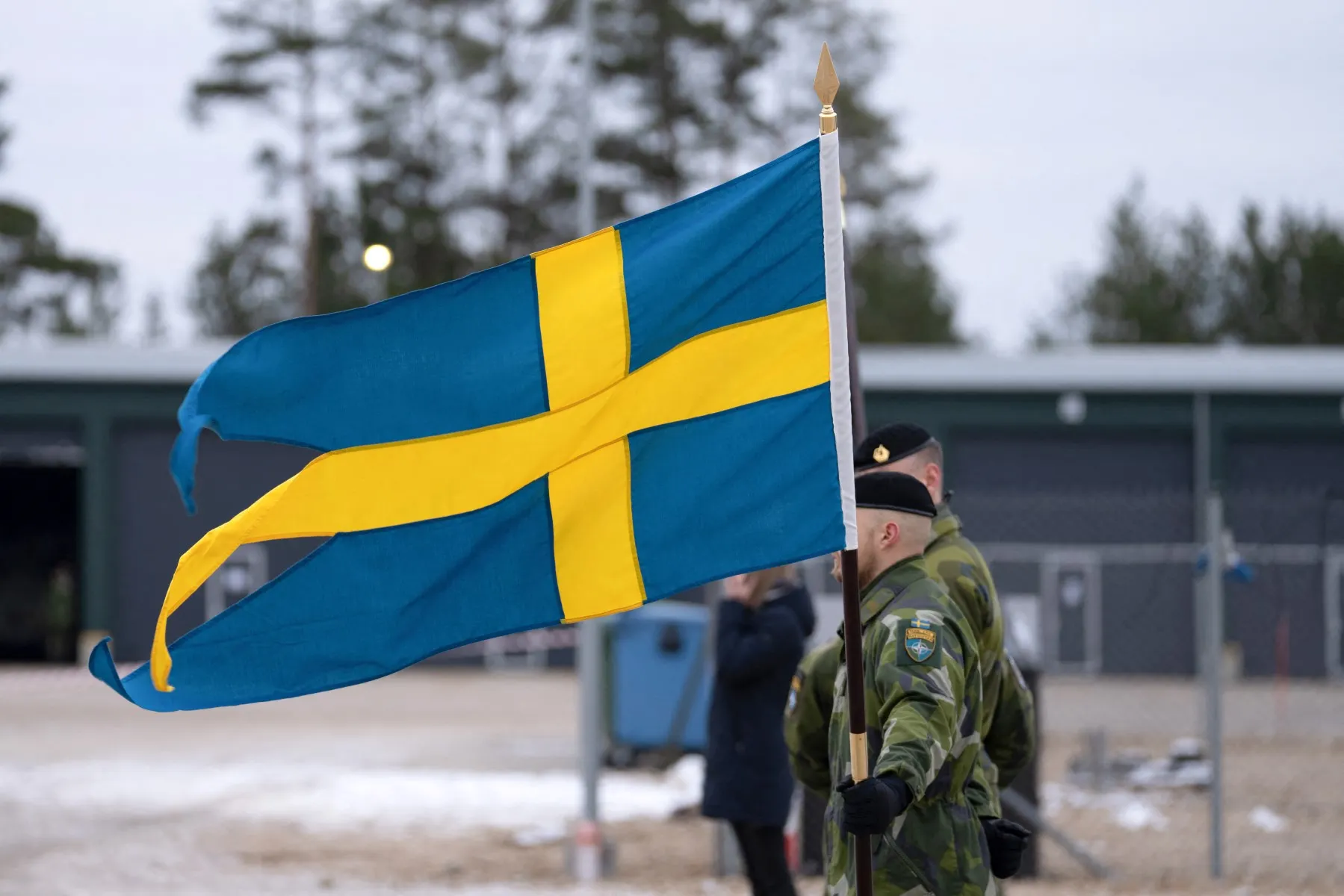

Sweden Grapples with Geopolitical Strain: Espionage Allegations Against Russia and Foreign Minister's Rebuke of US Policy
Stockholm, Sweden – Sweden is navigating heightened geopolitical tensions this week, marked by the arrest of a man suspected of spying for Russia and pointed criticism from Foreign Minister Maria Malmer Stenergard against U.S. actions in Venezuela and regarding Greenland. These developments underscore Sweden's evolving role on the global stage following its NATO accession, amid ongoing strains with major powers.
On Friday, Swedish prosecutors revealed new details in a high-profile espionage case, confirming that a man arrested earlier this week is suspected of passing sensitive information to Russia's intelligence services. The suspect, whose identity has not been publicly disclosed, was detained as part of an investigation into unauthorized disclosure of classified information. According to prosecutor Lars Johansson, the individual is believed to have gathered and transmitted data that could benefit Russian interests, prompting concerns over foreign interference in Swedish affairs.
The arrest comes at a sensitive time for Sweden, which joined NATO in March 2024 alongside Finland, shifting its longstanding policy of military non-alignment in response to Russia's full-scale invasion of Ukraine in 2022. Swedish authorities have intensified counterintelligence efforts since then, with multiple espionage cases linked to Russia surfacing in recent years. In 2024 alone, Sweden expelled several Russian diplomats over suspected spying activities, reflecting broader European vigilance against hybrid threats from Moscow.
Parallel to the espionage probe, Sweden's Foreign Minister issued a stern rebuke of U.S. foreign policy on Wednesday, January 7, 2026. Malmer Stenergard criticized Washington for its interventions in Venezuela, where the U.S. has backed opposition figures amid ongoing political turmoil, and for comments on Greenland, a Danish autonomous territory. She emphasized the paramount importance of international law, stating that unilateral actions undermine global stability. "Respect for sovereignty and adherence to legal frameworks are non-negotiable," the minister remarked, according to official statements from the Swedish Foreign Ministry.
The timing of these remarks coincides with renewed U.S. interest in Arctic regions, including past proposals under former President Donald Trump to purchase Greenland for strategic reasons. Venezuela remains a flashpoint, with the U.S. imposing sanctions and recognizing interim President Juan Guaidó in 2019 before shifting support to opposition leader María Corina Machado in recent elections disputed by President Nicolás Maduro. Sweden's position aligns with its broader advocacy for multilateralism, as seen in its support for the United Nations and European Union frameworks.
Background on Sweden's Geopolitical Pivot
Sweden's recent foreign policy shifts are rooted in profound security changes. Prior to 2022, the Nordic nation prided itself on neutrality, avoiding military alliances since the Napoleonic Wars. Russia's aggression in Ukraine shattered this paradigm, leading to unprecedented public support for NATO membership—over 70% approval in referendums. As a new NATO member, Sweden has bolstered its defense spending to meet the alliance's 2% GDP target and participated in joint exercises like Nordic Response.
Relations with Russia have deteriorated sharply. Sweden has closed its consulate in St. Petersburg, restricted Russian vessels in the Baltic Sea, and accused Moscow of hybrid warfare, including cyberattacks and sabotage. The latest spying allegation fits this pattern, echoing cases like the 2023 arrest of a Swedish national for photographing military sites on behalf of Russia.
U.S.-Sweden ties, while strong through NATO, have occasionally frayed over policy divergences. Sweden has critiqued U.S. approaches to issues like Gaza and trade tariffs, prioritizing diplomacy and human rights. The Foreign Minister's comments on Venezuela and Greenland highlight Sweden's commitment to the rules-based international order, a stance shared by fellow EU and NATO partners like Denmark, which administers Greenland.
Implications and Outlook
The espionage case is ongoing, with the suspect remanded in custody pending further investigation. Swedish Security Service (SÄPO) Director-General Charlotte von Essen has warned of increased Russian espionage amid the Ukraine conflict, urging vigilance across society.
On the diplomatic front, Malmer Stenergard's statements signal Sweden's intent to assert an independent voice within Western alliances. As NATO's northern flank strengthens, Stockholm is balancing deterrence against Russia with advocacy for global norms, potentially influencing EU positions on Latin America and the Arctic.
These events illustrate Sweden's immersion in great-power competition, where espionage threats and policy critiques intersect. With NATO summits and EU foreign ministers' meetings on the horizon, Sweden's actions will be closely watched for signs of further escalation or diplomatic maneuvering.
(Word count: 612)






