
Surge in Syrian Violence: Mosque Terror Attack in Homs Followed by Army Strikes on Kurds in Aleppo
Homs, Syria – Syria's fragile security landscape deteriorated further this week with a high-severity terror attack on a mosque in Homs on January 1, 2026, followed by reported Syrian army strikes against Kurdish positions in Aleppo, triggering a fresh wave of refugees in northern Syria.
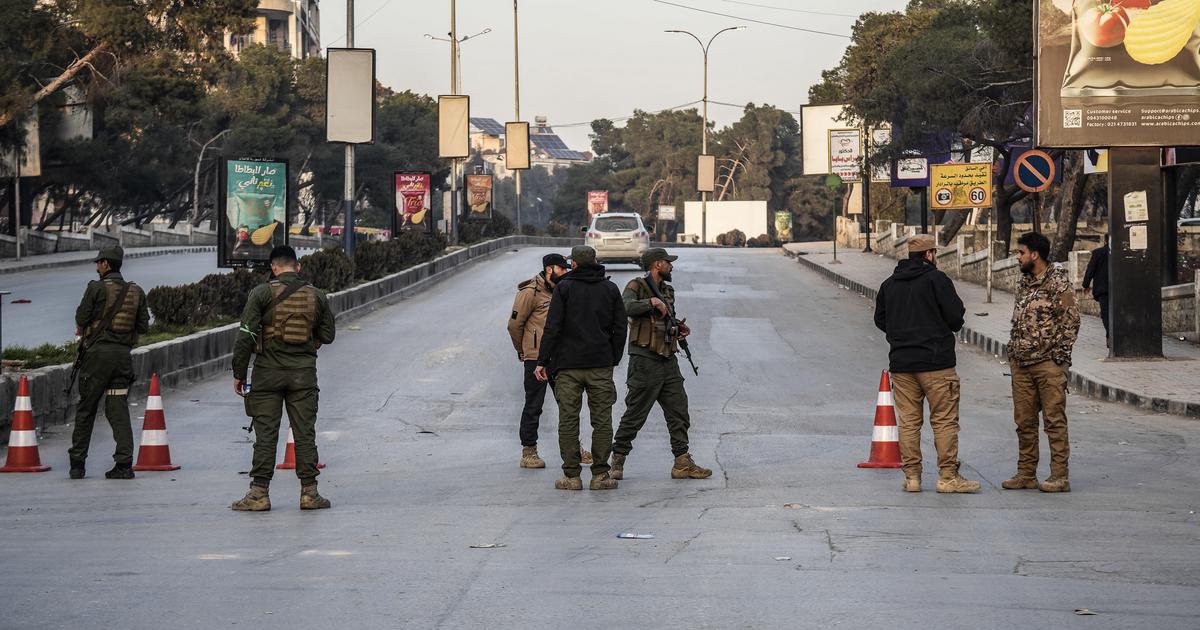
The terror attack in Homs, which struck at approximately 7:30 a.m. UTC, targeted a mosque amid intensified government crackdowns on ISIS remnants and armed militia groups across the country. Local reports indicate the assault unfolded in a city long scarred by Syria's civil war, where government forces have maintained control since recapturing it from rebels in 2014. No immediate casualty figures were confirmed, but the incident underscores persistent jihadist threats in central Syria, where ISIS sleeper cells have sporadically launched attacks despite years of counterterrorism operations.
Just days later, on January 7, Syrian army forces conducted strikes on Kurdish-held areas in Aleppo, according to reports from Croatian outlet Večernji list. The operation, described as a "udar" or strike, targeted positions linked to Kurdish militias, exacerbating tensions in northern Syria. This action prompted a new influx of displaced persons fleeing toward the Turkish border, compounding the region's humanitarian crisis. Aleppo, Syria's second-largest city, has been a flashpoint since the war's early years, with Kurdish groups like the YPG maintaining influence in surrounding areas despite Turkish-backed offensives and Syrian government advances.
These incidents occur against the backdrop of Syria's protracted civil war, which began in 2011 with pro-democracy protests and evolved into a multi-front conflict involving the Assad regime, rebel factions, Kurdish forces, ISIS, and foreign powers including Russia, Iran, Turkey, and the United States. President Bashar al-Assad's forces, bolstered by Russian airstrikes and Iranian militias, have reclaimed most major cities, including Homs and much of Aleppo province. However, pockets of resistance persist: ISIS maintains a low-level insurgency in the Badia desert near Homs, while Kurdish-led Syrian Democratic Forces (SDF) control oil-rich northeastern territories and parts of Aleppo's outskirts, often clashing with Turkish proxies who view them as extensions of the PKK terrorist group.
The Homs mosque attack aligns with a pattern of ISIS-linked violence targeting civilian and religious sites to sow fear and undermine government authority. Syrian state media frequently attributes such assaults to "terrorist remnants," a term encompassing ISIS and other Sunni extremist groups. Security operations in Homs governorate have intensified since late 2025, with army units conducting sweeps against hideouts in the region's rural expanses.
In Aleppo, the strikes reflect ongoing frictions between Damascus and the Kurds. The Syrian government views Kurdish autonomy as a threat to national unity, while Kurds seek decentralized governance in a federal system. Turkey's repeated incursions into northern Syria, including operations like Olive Branch in 2018 that captured Afrin near Aleppo, have redrawn frontlines. Recent refugee movements reported on January 7 echo earlier displacements, with tens of thousands fleeing previous escalations. The United Nations has long warned of Syria's refugee crisis, with over 6.8 million internally displaced as of late 2025, according to agency data.
International observers have called for restraint. A spokesperson for the UN Office for the Coordination of Humanitarian Affairs (OCHA) noted in a January 2026 statement that "any military escalation risks further civilian suffering in already overburdened areas." Russian Foreign Ministry officials, key Assad allies, defended the Aleppo operations as necessary to combat "separatist elements," while U.S. officials monitoring SDF partners urged de-escalation to prevent ISIS resurgence.
The convergence of these events highlights Syria's volatile security dynamics. Homs, a strategic central hub connecting Damascus to the coast, remains vulnerable to asymmetric threats, while Aleppo's northern districts serve as a buffer between government, Kurdish, and Turkish-influenced zones. Economic woes, including sanctions and reconstruction delays, exacerbate instability, driving recruitment into militias.
As Syrian forces press crackdowns, the risk of broader clashes looms. Humanitarian agencies report strained camps near Aleppo, with new arrivals overwhelming resources. Diplomatic efforts, including Astana process talks involving Russia, Turkey, and Iran, have yielded ceasefires in the past but falter amid territorial disputes. For now, civilians bear the brunt, navigating a landscape where terror attacks and military strikes blur lines between combatants and non-combatants.
The international community watches closely, as renewed violence could ripple into neighboring Lebanon, Iraq, and Turkey, potentially reigniting regional proxy wars. Syrian authorities have yet to issue detailed statements on either incident, but state media broadcasts suggest ongoing operations will continue unabated.
(Word count: 612)






