
Surge in High-Profile U.S. Crime Cases: SBA Fraud Scheme, VP Residence Attack, and Maduro Narco-Terror Indictment
In a series of escalating crime developments across the United States, authorities have taken decisive action against widespread pandemic loan fraud in Minnesota, apprehended a suspect in an attack on Vice President JD Vance's Cincinnati home, and advanced prosecution against deposed Venezuelan leader Nicolás Maduro on narco-terrorism charges in New York City. These incidents, unfolding over the first week of January 2026, highlight ongoing challenges in financial fraud, political security threats, and international drug trafficking networks.
The U.S. Small Business Administration (SBA) announced on January 2 the suspension of nearly 7,000 borrowers in Minnesota amid a suspected $400 million fraud scheme tied to pandemic-era loans. This high-severity case involves allegations of misuse of funds from programs like the Paycheck Protection Program (PPP) and Economic Injury Disaster Loans (EIDL), which were launched during the COVID-19 crisis to support businesses. The SBA's move prevents these borrowers from accessing further federal assistance, signaling a broad crackdown on what investigators describe as organized deception. Historical context underscores the scale: the SBA's inspector general previously identified over $200 billion in potential PPP fraud nationwide, with Minnesota emerging as a hotspot due to lax initial vetting and sophisticated schemes involving shell companies and falsified documents. No arrests have been detailed yet, but the suspensions mark a significant step in recovering taxpayer funds.
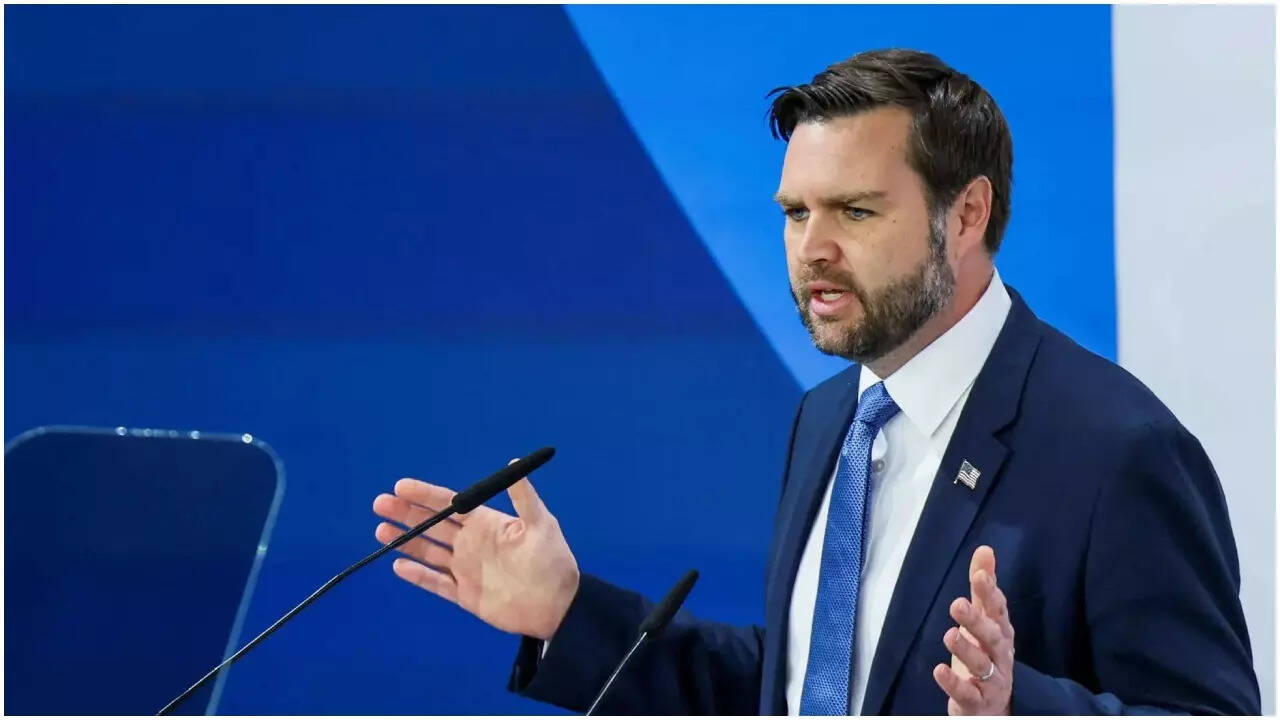
Concurrently, Vice President JD Vance's residence in Cincinnati, Ohio, became the target of a brazen overnight attack on January 5, prompting a rapid response from the Secret Service and local police. Several windows were smashed in what Vance described as the work of a "crazy person," with the suspect taken into custody shortly after. Vance, who was in Washington, D.C., at the time, issued a statement thanking first responders for their swift action and urging media outlets to refrain from publishing images of the damage to avoid compromising security. This incident occurs against a backdrop of heightened threats to political figures following the 2024 election, where Vance assumed the vice presidency under President Donald Trump. The Secret Service has not released the suspect's identity or motive, but the event echoes prior attacks on public officials' homes, raising questions about perimeter security at private residences.
In New York, the most internationally resonant case involves Nicolás Maduro, the former Venezuelan president, who was transferred from a Brooklyn prison to a Manhattan court on January 5 for his first U.S. appearance on narco-terrorism and drug trafficking charges. Indicted alongside his wife by Attorney General Pam Bondi, Maduro faces potential life imprisonment if convicted. The charges, first announced on January 3 shortly after his capture, stem from allegations of conspiring with Colombian rebels to flood the U.S. with cocaine while labeling opponents as "narco-terrorists." Maduro was deposed prior to his arrest, and U.S. officials do not recognize him as Venezuela's legitimate leader, a stance rooted in longstanding disputes over his 2018 reelection.
Background on Key Cases
The SBA fraud probe builds on years of scrutiny into pandemic relief programs. From 2020 to 2022, the SBA disbursed over $1 trillion in loans, with fraud estimates climbing as high as 10% of total outlays according to Government Accountability Office reports. Minnesota's case, valued at $400 million, exemplifies patterns where applicants inflated payrolls or created fictitious businesses, often linked to identity theft rings.
Maduro's indictment revives a 2020 U.S. superseding indictment accusing him and associates of shipping 10 tons of cocaine to the U.S. The Trump administration's recent actions, including his capture and transfer, reflect escalated efforts to dismantle Venezuela's role in the cocaine trade, which supplies up to 20% of U.S. street drugs per DEA assessments. His legal team plans to challenge the arrest's legality, citing sovereign immunity claims, though U.S. courts have historically rejected such defenses for non-recognized leaders. Analysis from France 24's Marc Perelman notes the political dimensions, as the charges justified Maduro's extraordinary rendition.
The Vance attack, while isolated, fits into a spike in politically motivated incidents. FBI data shows a 30% rise in threats against federal officials since 2020, exacerbated by partisan divides.
As investigations proceed, these cases underscore federal priorities: safeguarding economic recovery, protecting leaders, and combating transnational crime. The SBA's suspensions could lead to civil forfeitures, while Maduro's court proceedings may extend months amid appeals. Law enforcement officials emphasize vigilance, with no immediate links between the events. Updates are expected as charges formalize and trials commence.
(Word count: 712)






