
Supreme Court Rejects Bail Pleas of Umar Khalid and Sharjeel Imam in 2020 Delhi Riots Case
New Delhi, India – In a significant ruling, India's Supreme Court on Monday denied bail to student activists Umar Khalid and Sharjeel Imam, charged in connection with the deadly 2020 Delhi riots, extending their prolonged incarceration without trial. The decision has sparked expressions of deep disappointment from their families, who argue the activists' innocence and highlight years of detention amid ongoing legal delays.
The apex court distinguished the roles of Khalid and Imam from five other co-accused individuals who were granted bail in the same case, citing differences in their alleged involvement. This comes over five years after the riots, which erupted in February 2020 in northeast Delhi, resulting in at least 53 deaths and hundreds of injuries, predominantly among Muslim communities. The violence followed protests against the Citizenship (Amendment) Act (CAA), a controversial law perceived by critics as discriminatory against Muslims.
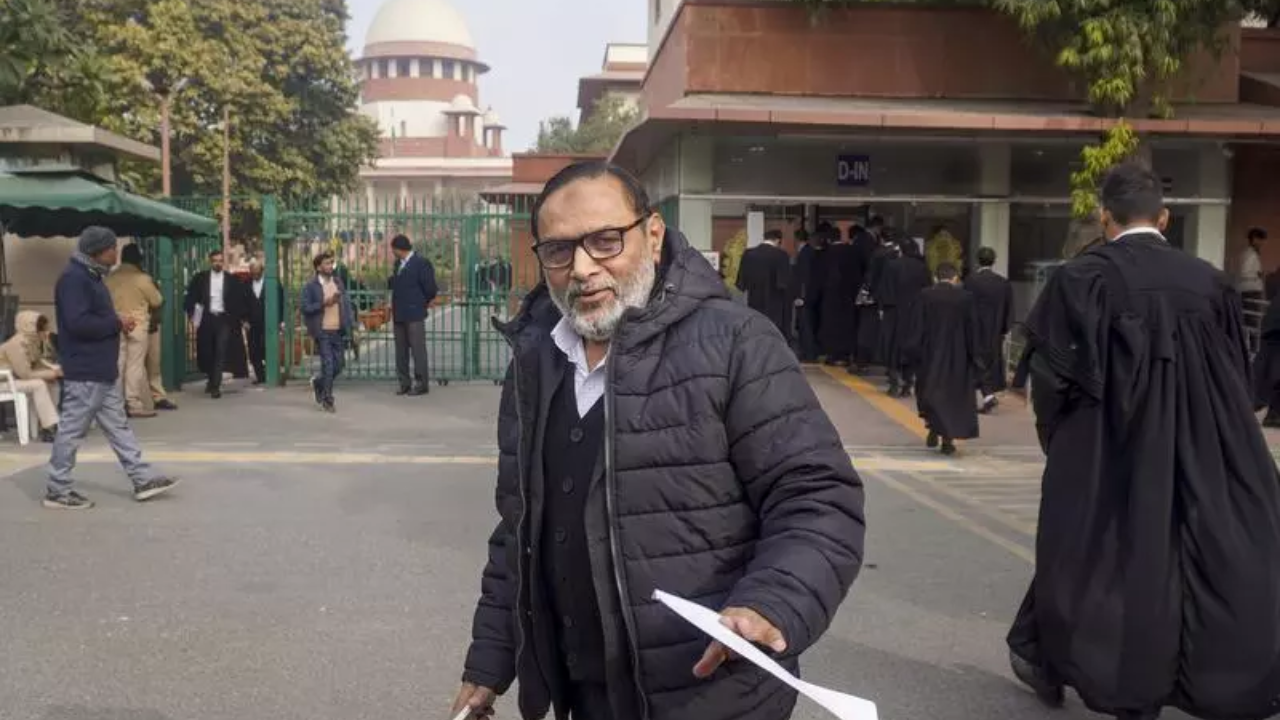
Umar Khalid's father, Syed Qasim Rasool Ilyas, voiced profound anguish following the verdict. "My son wasn’t even in Delhi during the riots," he stated, as reported by The Times of India, emphasizing what he described as a lack of evidence linking his son to the violence. Families of both accused expressed relief for the five others granted freedom but lamented the continued uncertainty for Khalid and Imam. Sharjeel Imam's family echoed similar sentiments, pointing to the "injustice" of extended pre-trial detention under stringent anti-terror laws.
The ruling pertains to a larger conspiracy case under the Unlawful Activities (Prevention) Act (UAPA), which allows for prolonged detention without bail in terror-related matters. Khalid, a former Jawaharlal Nehru University (JNU) student, and Imam, a PhD scholar from the same institution, were arrested in 2020 for allegedly delivering inflammatory speeches that prosecutors claim incited the riots. Both have denied the charges, with supporters arguing the case represents an overreach against dissent.
Background on the 2020 Delhi Riots
The riots unfolded amid nationwide protests against the CAA, enacted in December 2019, which fast-tracks citizenship for non-Muslim refugees from neighboring countries but excludes Muslims. Protests, largely peaceful, turned violent in areas like Jaffrabad, Maujpur, and Bhajanpura when clashes erupted between demonstrators and counter-protesters supporting the law.
Official data from the Delhi Police indicates 53 fatalities, including 40 Muslims and 13 Hindus, with over 200 injuries and widespread property damage. The riots led to multiple FIRs and investigations, with the Delhi Police Special Cell alleging a "larger conspiracy" involving anti-CAA protesters. Over 700 people have been arrested, and trials remain stalled due to the complexity of evidence and witness testimonies.
Khalid was arrested on September 14, 2020, after the riots, accused of masterminding through WhatsApp groups and speeches at Jamia Millia Islamia university. Imam, arrested earlier in January 2020 from Bihar, faces similar charges for a speech at Shaheen Bagh where he reportedly called for severing India from the northeast. Both pleas have navigated lower courts and the High Court before reaching the Supreme Court, which in previous hearings questioned the evidence but ultimately denied interim relief.
The use of UAPA has drawn international scrutiny from human rights organizations like Amnesty International and Human Rights Watch, which have documented concerns over its application to suppress activism. In India, the law's provisions for denying bail unless the court believes the accused is not guilty have been upheld by the Supreme Court in multiple judgments, including a 2021 ruling that deemed it constitutional.
Legal and Social Implications
This latest denial underscores persistent challenges in high-profile UAPA cases, where trials can extend for years. As of January 2026, the Delhi riots case continues without a charge sheet framing in some segments, exacerbating delays. Families and legal teams for Khalid and Imam have indicated they will pursue review petitions or other legal avenues.
The decision arrives against a backdrop of sporadic civil unrest linked to communal tensions and policy protests across India. Recent events, including farmer agitations and regional flare-ups, highlight ongoing debates over free speech, sedition, and terror laws. While the court emphasized case-specific distinctions, the ruling reinforces the judiciary's cautious approach to bail in sensitive riot-related matters.
As the case progresses, it remains a focal point for discussions on judicial efficiency and preventive detention. With over six years since their arrests, the activists' supporters continue advocating for speedy trials, while authorities maintain the charges are substantiated by digital and witness evidence.
(Word count: 612)






