
Supreme Court Rejects Bail for Umar Khalid and Sharjeel Imam in 2020 Delhi Riots Case, Igniting JNU Protests
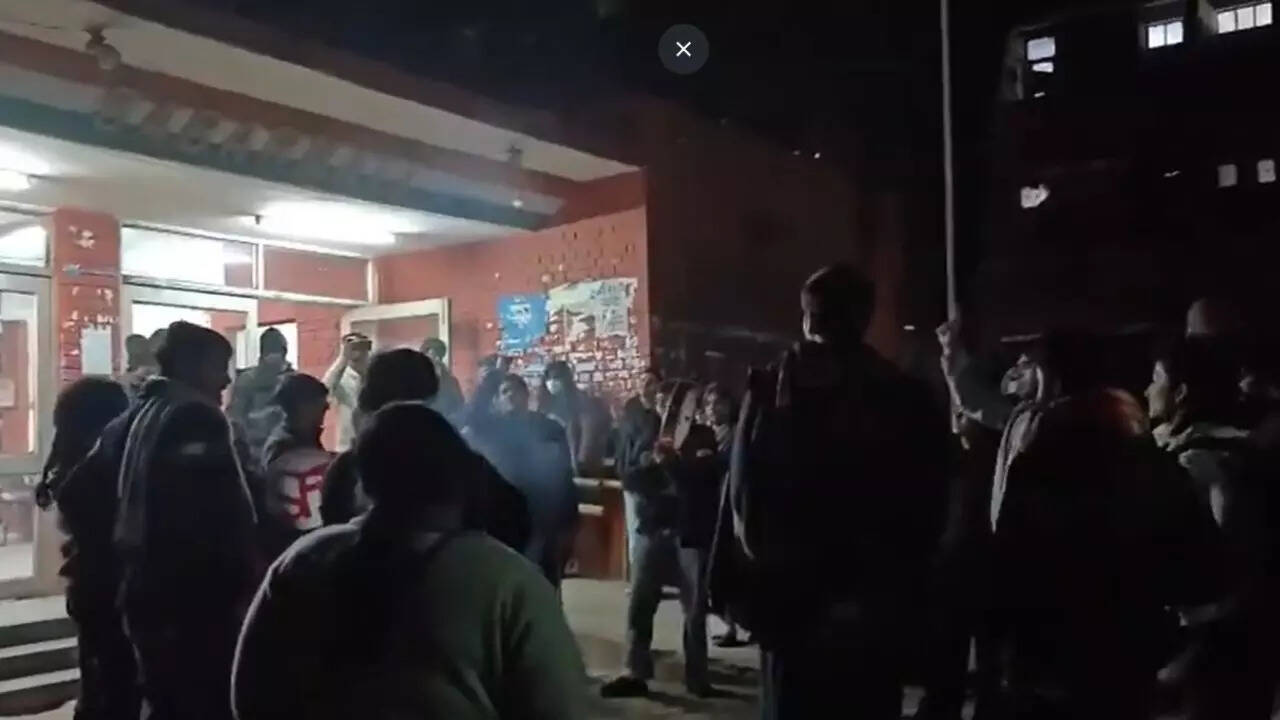
New Delhi, India – The Supreme Court of India on January 5, 2026, denied bail to student activists Umar Khalid and Sharjeel Imam, prolonging their incarceration in connection with the deadly 2020 Delhi riots. The decision has drawn sharp reactions, including protests at Jawaharlal Nehru University (JNU) where students raised controversial slogans against Prime Minister Narendra Modi and Home Minister Amit Shah, highlighting ongoing tensions over the case.
The ruling came in a case under the Unlawful Activities (Prevention) Act (UAPA), where Khalid and Imam are accused of playing roles in a larger conspiracy behind the February 2020 communal riots in northeast Delhi. The riots, which erupted amid protests against the Citizenship Amendment Act (CAA), resulted in over 50 deaths, mostly Muslims, and hundreds injured. Families of the accused have expressed profound disappointment, pointing to the lack of trial progress after more than five years in custody. Khalid, a former Jawaharlal Nehru University student, and Imam, known for his speeches during anti-CAA demonstrations, have maintained their innocence, arguing that the charges are politically motivated.
The Supreme Court's decision, reported on January 5, 2026, at 20:55 GMT, underscores the stringent application of anti-terror laws in India. Both activists have previously approached lower courts and the high court for relief, only to face repeated rejections. Legal experts note that UAPA provisions make bail exceptionally difficult, requiring the accused to prove they are not guilty—a reversal of the standard presumption of innocence.
JNU Protests Erupt in Response
Hours after the verdict, JNU students staged a demonstration on campus, chanting slogans critical of Modi and Shah. The protest, organized by the Jawaharlal Nehru University Students' Union (JNUSU), drew attention for phrases perceived as inflammatory. According to reports, participants raised calls that the student union president later described as "ideological expressions" rather than personal attacks on the leaders.
This outburst occurred against the backdrop of JNU's history of student activism. The university has been a hotspot for left-leaning protests, including those against the CAA in 2019-2020. Notably, in January 2020, JNU itself witnessed a violent clash where masked assailants attacked students and faculty, smashing property and injuring dozens. The incident, widely attributed to internal political rivalries, fueled national debates on campus freedom and security. The recent slogans have reignited similar controversies, with some viewing them as legitimate dissent and others as divisive rhetoric.
JNUSU President Ghaziabad-based student leader emphasized the ideological nature of the chants, stating they reflected broader opposition to what protesters see as suppression of dissent. "These are not personal attacks but a stand against policies that stifle voices," the president was quoted as saying. University administration has not issued an official response, but past incidents have led to police inquiries and political finger-pointing.
Background on the Delhi Riots Case
The 2020 Delhi riots remain one of India's most polarizing episodes in recent years. Sparked by clashes between CAA supporters and opponents, the violence unfolded over several days in areas like Jahangirpuri and Mustafabad. Official figures report 53 deaths, with allegations of police complicity on one side and organized mob violence on the other. Over 1,700 people were arrested, and probes revealed alleged links to both Hindu and Muslim extremist groups.
Umar Khalid, 38, a PhD scholar at JNU, was arrested in September 2020 for allegedly masterminding the riots through provocative speeches. Sharjeel Imam, 37, faced similar charges for his viral anti-CAA addresses at Shaheen Bagh, accused of inciting secessionist sentiments. Both have spent over five years in Tihar Jail without the trial commencing, a point of contention raised by human rights groups like Amnesty International and the UN Working Group on Arbitrary Detention, which have called for their release citing prolonged pre-trial detention.
The case is part of Delhi Police's "larger conspiracy" charge-sheet, implicating over 20 individuals, including opposition figures. Previous bail pleas have been denied on grounds that releasing them could influence witnesses or hamper investigations. In 2024, the Delhi High Court granted bail to co-accused but upheld rejections for Khalid and Imam.
Broader Implications for Civil Unrest and Dissent
India has seen intermittent civil unrest linked to the CAA-NRC protests since 2019, with JNU and other campuses serving as focal points. The Supreme Court's latest order may intensify debates on judicial delays, UAPA misuse, and free speech. Opposition parties, including Congress and AAP, have criticized the verdict as evidence of "vendetta politics," while the BJP has defended the legal process as necessary to curb terrorism.
As of January 6, 2026, no further protests have been reported beyond JNU, but activists vow to continue legal and public campaigns. Families remain hopeful for future hearings, with Khalid's father, a former professor, publicly lamenting the "indefinite wait." The situation underscores persistent fault lines in India's democracy, balancing security concerns with civil liberties.
(Word count: 712)






