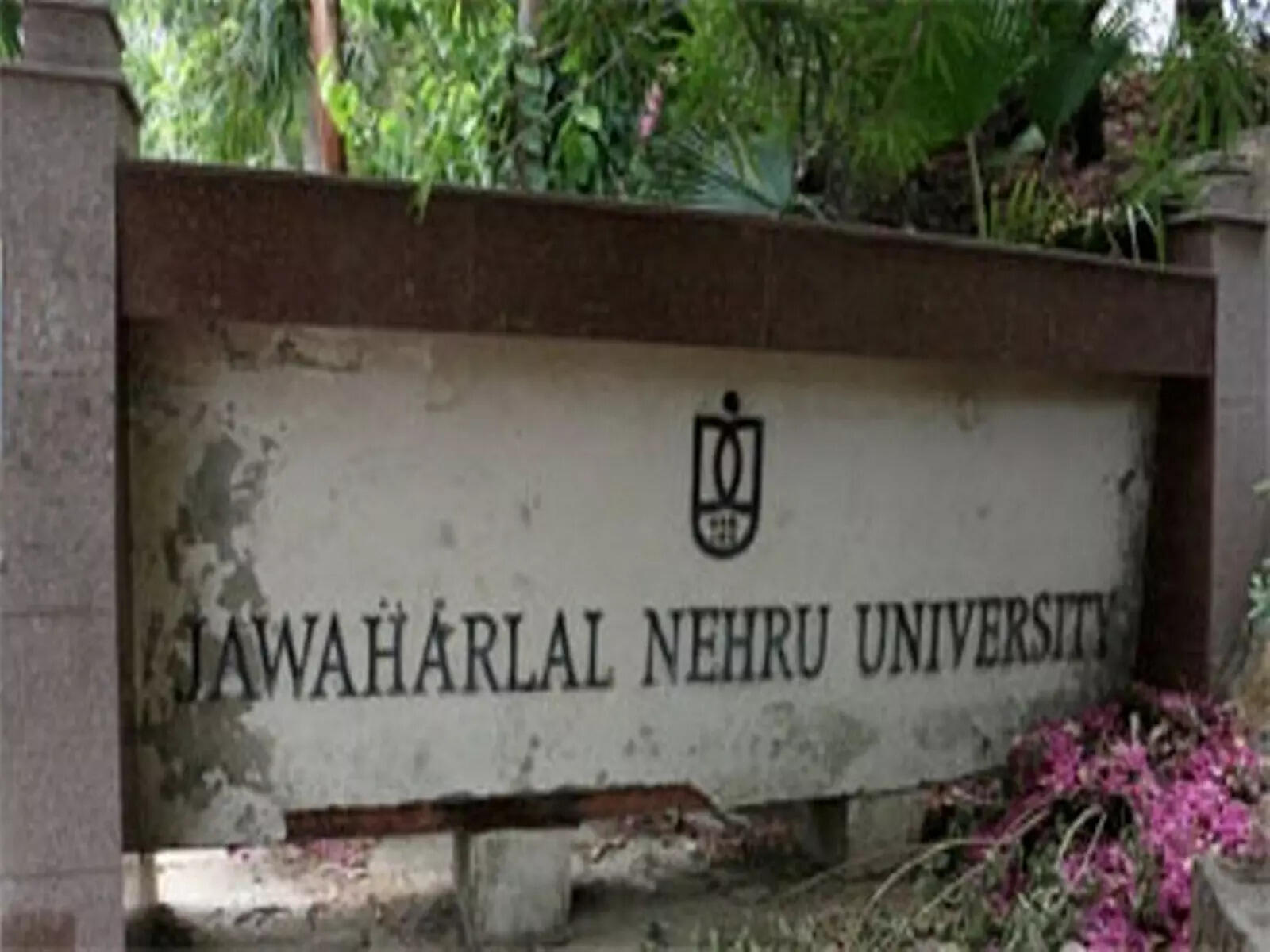

Supreme Court Rejects Bail for Delhi Riots Accused as JNU Protests Spark FIR Demand Amid Rising Student Activism Tensions
New Delhi, India – In a significant judicial decision, India's Supreme Court on January 5, 2026, denied bail to prominent student activists Umar Khalid and Sharjeel Imam, who have been incarcerated for over five years in connection with the 2020 Delhi riots. The ruling has drawn sharp criticism from their families, who decry the prolonged detention without trial, even as authorities at Jawaharlal Nehru University (JNU) moved to file a police complaint against students for raising anti-government slogans during a recent protest.
The Supreme Court's decision underscores ongoing legal battles stemming from the deadly communal clashes in northeast Delhi in February 2020, which killed over 50 people and injured hundreds. Khalid, a former Jawaharlal Nehru University student and activist, and Imam, a research scholar at the same institution, face charges under the stringent Unlawful Activities (Prevention) Act (UAPA) for allegedly conspiring to incite violence during protests against the Citizenship Amendment Act (CAA). Their bail pleas have been rejected multiple times by lower courts and now the apex court, with justices citing the gravity of the accusations and potential risks to the investigation.
Families of the accused expressed profound disappointment. Khalid's father, Syed Qasim Rasool Ilyas, a former professor, highlighted the human cost, stating that his son has been in custody since September 2020 without the trial commencing. Imam's mother has similarly appealed for justice, noting the lack of progress in the case despite years of detention. Human rights groups, including Amnesty International and the People's Union for Civil Liberties (PUCL), have long argued that the use of UAPA against activists stifles dissent, with over 90% of cases under the law resulting in acquittals or no convictions, according to National Crime Records Bureau data.
Just a day later, on January 6, 2026, tensions flared anew at JNU, a hotbed of student activism historically associated with left-leaning protests. During a demonstration, students reportedly chanted slogans targeting Prime Minister Narendra Modi and Home Minister Amit Shah, prompting the university administration to seek a First Information Report (FIR) against the participants. The Times of India reported that the protest was part of broader unrest over academic and administrative issues, but the anti-government rhetoric escalated the response from authorities.
JNU's administration cited violations of university rules and potential public order threats as reasons for approaching the police. This incident echoes past controversies at the campus, including the 2019 attack on students protesting fee hikes and the 2020 slogans row that led to sedition probes. Student unions at JNU have defended the protest as a legitimate expression of dissent against perceived government overreach, including policies on education and employment.
Background on Delhi Riots and Student Activism
The 2020 Delhi riots erupted amid nationwide protests against the CAA and National Register of Citizens (NRC), which critics viewed as discriminatory against Muslims. What began as peaceful sit-ins turned violent in areas like Jaffrabad and Shiv Vihar, with arson, stone-pelting, and clashes between pro- and anti-CAA groups. A Delhi Police Special Investigation Team charged over 700 individuals, including politicians and activists, alleging a larger conspiracy.
Umar Khalid and Sharjeel Imam gained prominence for their speeches during CAA protests. Imam's remarks at Shaheen Bagh were interpreted by prosecutors as calls for severing India from the northeast, leading to sedition charges later dropped but UAPA retained. Khalid was accused of masterminding riots through WhatsApp groups. Both deny the allegations, claiming political motivation.
India's student movements have a storied history, from the 1970s anti-Emergency protests to recent farmers' agitation support. JNU, funded by the University Grants Commission, has been a focal point, with governments accusing it of harboring "anti-national" elements. The current NDA government's push for "nationalist" education reforms has intensified scrutiny on campuses.
Broader Implications and Outlook
These developments highlight deepening divides over free speech, sedition laws, and the balance between security and civil liberties in India. With general elections not imminent but political discourse heated, such cases fuel debates on judicial delays—India's 50 million pending cases strain the system—and the UAPA's broad provisions, amended in 2019 to allow individual terrorism designations.
As JNU's FIR request proceeds, student groups warn of a chilling effect on campuses, while authorities emphasize maintaining law and order. The Supreme Court's bail denial sets a precedent for similar UAPA cases, including those involving farmers' leaders and journalists. Legal experts anticipate renewed pleas or trial accelerations, but families brace for extended uncertainty.
India's civil society watches closely, as these events reflect persistent fault lines in a democracy navigating protests, polarization, and governance challenges.
(Word count: 712)






