
Sudan Conflict Sees RSF Buildup Outside El Obeid as UN Warns of Atrocities
The Sudan conflict has entered a new phase of escalation as the Rapid Support Forces prepare an offensive on El Obeid.
Imminent RSF Offensive on El Obeid
Recent video and reports show RSF troop build-up outside El Obeid, with intensified artillery shelling and drone strikes on fuel stations causing an acute fuel crisis. [3] Attacks have killed dozens of civilians in the past week and a half. [2] El Obeid serves as a key hub with around 500,000 residents. [2] Its capture would give the RSF control over large parts of Kordofan and a strategic advantage that could shift the front line toward Khartoum. [2] The RSF maintains strongholds in the Jabal Abu Sunun area 40 kilometres to the west of El Obeid, the Kazqil area 70 kilometres to the south, and the city of Bara 60 kilometres north. [3] Consistent drone strikes targeting fuel stations and trucks have paralysed local public transit and disrupted water treatment facilities. [3] Residents have been forced to navigate El Obeid on foot or in donkey-drawn carts as they attempt to flee toward the neighbouring White Nile State. [3]
UN and International Warnings
UN High Commissioner for Human Rights Volker Turk warned that a siege of El Obeid could repeat the preventable atrocities seen in El Fasher after its fall to the RSF in October 2025. [3] Turk stated that the situation bore the hallmarks of genocide in El Fasher and Zamzam IDP camp. [3] A coalition of nearly 30 countries including Canada, France, Germany, Ireland, the Netherlands, Norway, Sierra Leone and the United Kingdom presented a joint statement to the UN Human Rights Council urging the RSF to cease its assault and for all parties to de-escalate and protect civilians. [3] The statement called on states to apply maximum pressure on the Rapid Support Forces, Sudanese Armed Forces and their allies. [3] The UN has seen further reports of drone attacks overnight near El Obeid. [4]
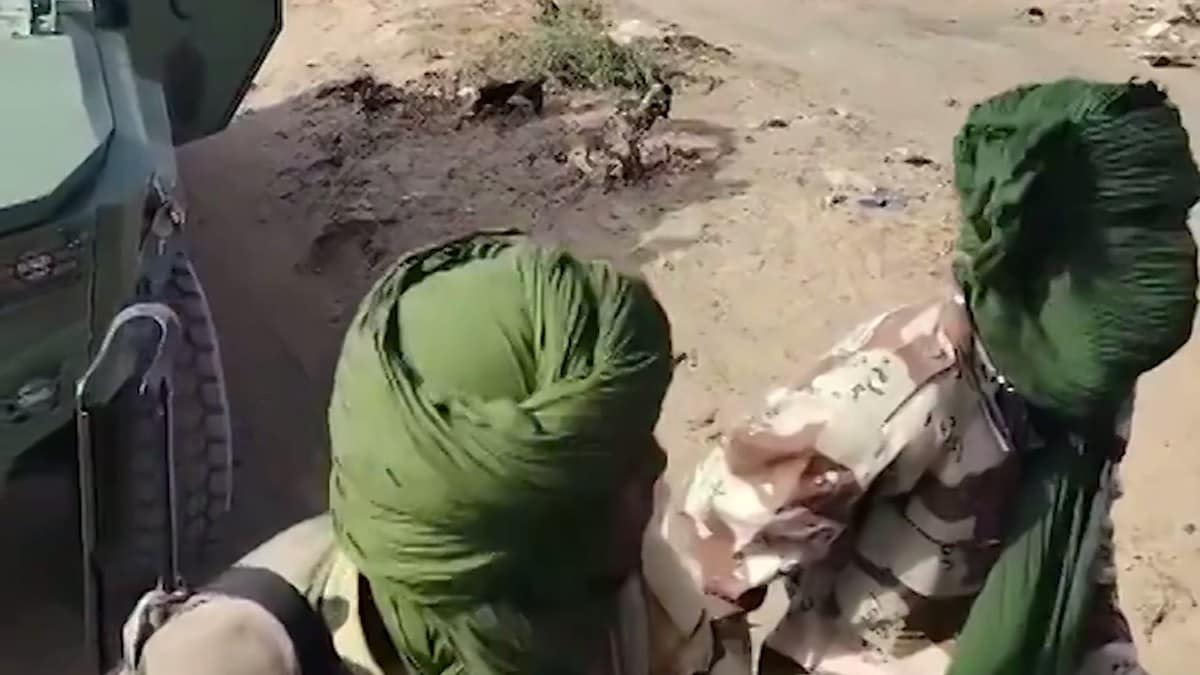
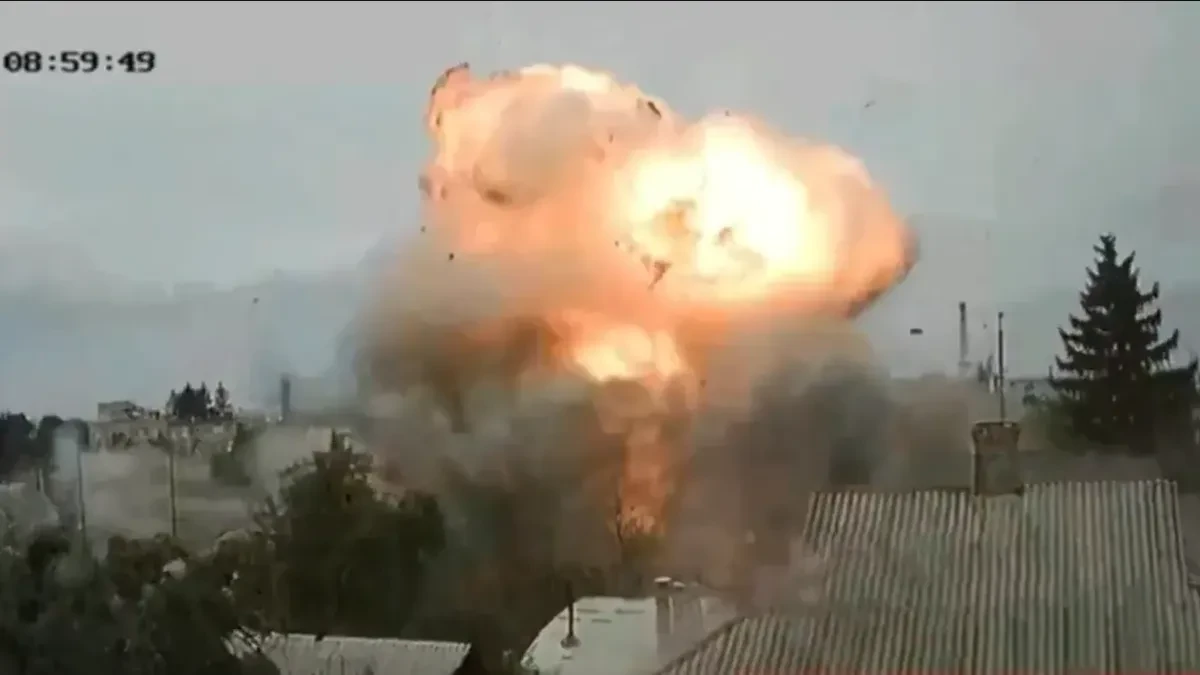
RSF forces build up outside El Obeid ahead of offensive on the Sudanese city. — Source: nrk
Risk of Atrocities and Civilian Impact
Fears have risen of mass atrocities against up to 500,000 civilians similar to those documented in El Fasher. [2] The RSF offensive in El Fasher involved widespread massacres, mass rapes and looting after an eighteen-month siege. [3] Recent civilian deaths have occurred in North Kordofan amid regular attacks on El Obeid and the surrounding region. [2] Reports indicate violence and abuses against civilians in the area. [2] Up to a half million people could be in danger if the city falls. [2] The humanitarian crisis affecting residents includes an acute fuel shortage that has halted normal movement and water services. [3]
Role of Foreign Mercenaries with RSF
Latin American mercenaries primarily Colombians operating as Desert Wolves along with some from El Salvador have been fighting alongside the RSF in Darfur. [1] They operate drones and artillery, train fighters including minors and participate in assaults. [1] The contractors arrived after a stopover in the United Arab Emirates followed by a flight to Benghazi Libya and an approximately eight-day trip across the desert. [1] Recruitment occurred through the Colombian company Internacional Services Agency A4SI with later involvement of Fénix after sanctions. [1] The U.S. Treasury Department imposed sanctions on four people and four entities in December 2025 and extended them in mid-April this year. [1] Contractors have also carried out security and medical tasks while some Salvadorans died during the capture of El Fasher. [1] Training for some contractors took place at bases in Abu Dhabi and Bosaso. [1]

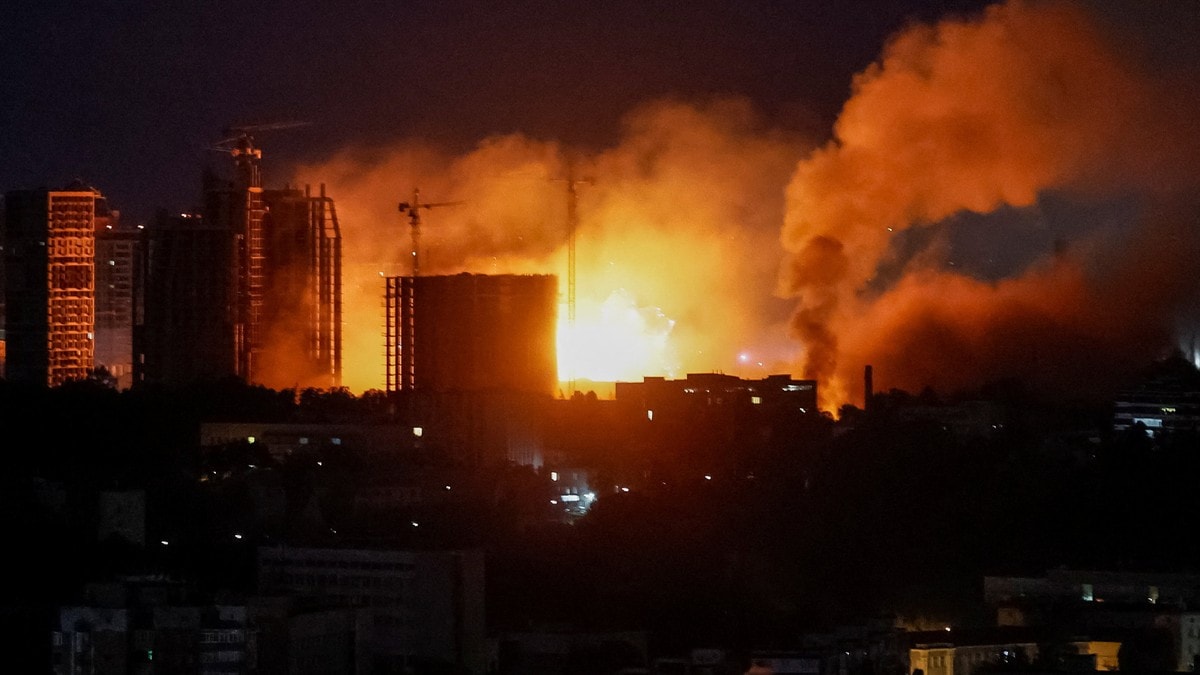
RSF forces build up outside El Obeid ahead of planned offensive in Sudan. — Source: middleeasteye
Broader Context of the Sudan Conflict
The three-year civil war has divided the country between RSF in the west and SAF in the east. [2] Both sides have committed mutual atrocities with the RSF documented for executions sexual violence ethnic cleansing and genocide indicators in El Fasher. [1] The SAF has bombed civilians in Darfur markets and hospitals. [2] The conflict has produced the world’s largest humanitarian crisis. [1] Peace talks continue with involvement from the United States Arab Gulf states and regional organisations. [2] Several countries including Arab Gulf states aligned with the United States remain involved by supporting different parties. [2]
Humanitarian Response Efforts
Aid efforts have ramped up in El Obeid amid fresh drone attack reports. [4] The UN and humanitarian partners focus on moving food and other supplies into the city while preparing for the potential movement of large numbers of people from the immediate area. [4] The area remains accessible for now. [4] OCHA continues to closely follow the situation in and around El Obeid. [4] Partners have faced challenges from the fuel and water crises that have forced alternative transport methods for residents. [3]
What to watch next: Ongoing monitoring by the UN of the RSF troop movements and any further escalation that could affect access routes and civilian displacement from El Obeid.