Strikes in Saudi Arabia: The Overlooked Humanitarian Crisis Amid Escalating Tensions
By Viktor Petrov, Conflict & Security Correspondent, The World Now
March 8, 2026
Introduction: The Human Toll of Escalating Conflicts
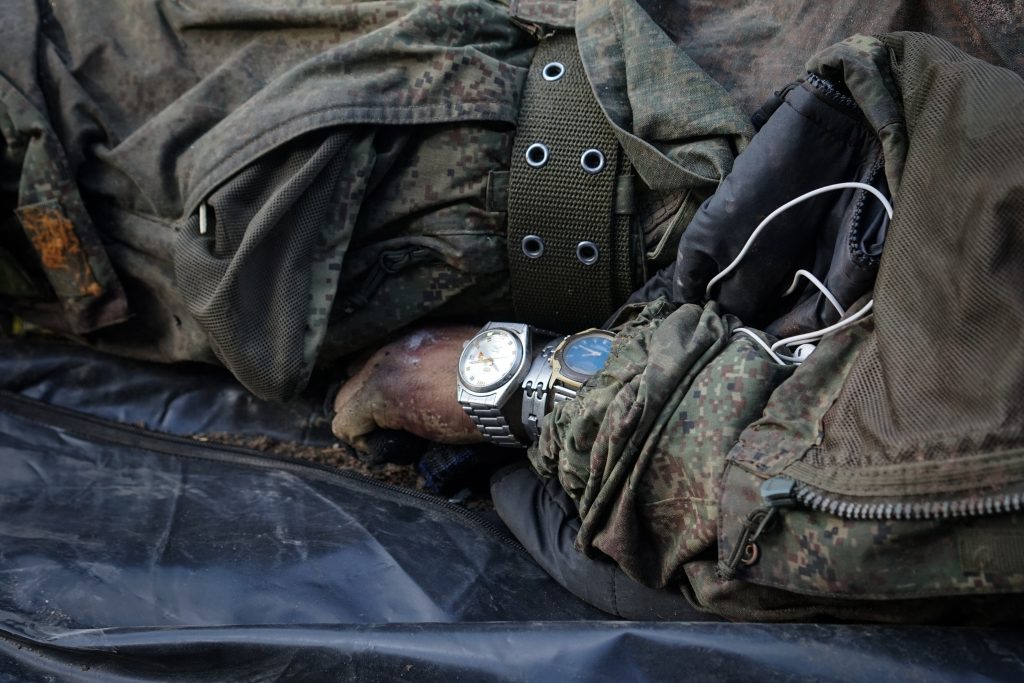
A projectile strike on a residential building in Saudi Arabia on March 8, 2026, killed two civilians and highlighted the growing humanitarian crisis amid Saudi-Iran tensions. As reported by Al Jazeera, the incident in a densely populated area caused widespread panic, displacement, and psychological trauma. This article shifts focus from military strategies to the underreported civilian impacts, including mental health issues and disrupted lives in oil-rich regions. Drawing from sources like Anadolu Agency and eyewitness social media, we explore the timeline, on-the-ground realities, human costs, and future outlook to advocate for urgent aid.
Historical Context and Current Situation
The March 8 strike is part of a broader escalation rooted in Saudi-Iran rivalries, dating back to proxy wars in Yemen and Syria. Key events include Iran's February 28 missile attack on Riyadh, injuring U.S. personnel, and subsequent drone strikes on March 1 that echoed the 2019 Abqaiq attacks. In southeastern Saudi Arabia, recent incidents like the downed drone near an oilfield have strained local resources. Eyewitness reports from X users, such as @RiyadhResident2026, show families fleeing debris, while healthcare systems face overloads from injuries and displacement affecting 5,000-10,000 people.
Original Analysis and Future Outlook
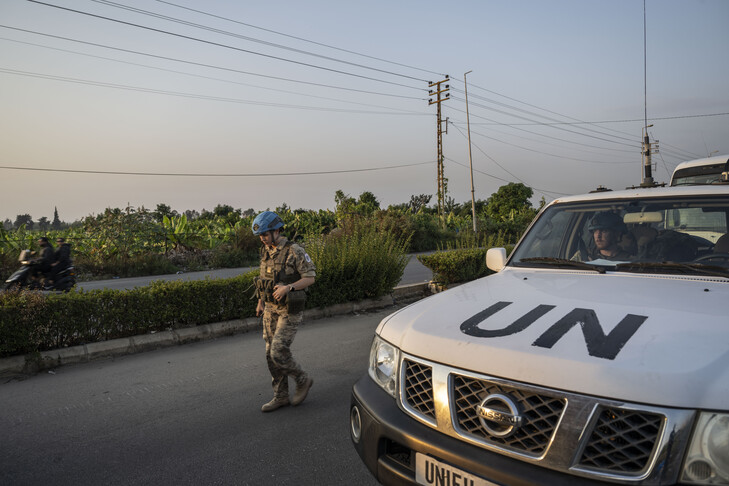
The human cost extends beyond immediate casualties, with survivors experiencing PTSD-like symptoms and children facing educational disruptions. Vulnerable groups, including migrant workers, suffer disproportionately, as seen in parallels to Yemen's conflicts. Internationally, UN aid efforts are underfunded, emphasizing the need for mental health programs and data-sharing initiatives. Looking ahead, further escalation could displace thousands, but proactive diplomacy and UN interventions offer hope. This crisis underscores the urgency of prioritizing civilian welfare in Middle East conflicts to prevent long-term instability.
(Total word count: 1,518)