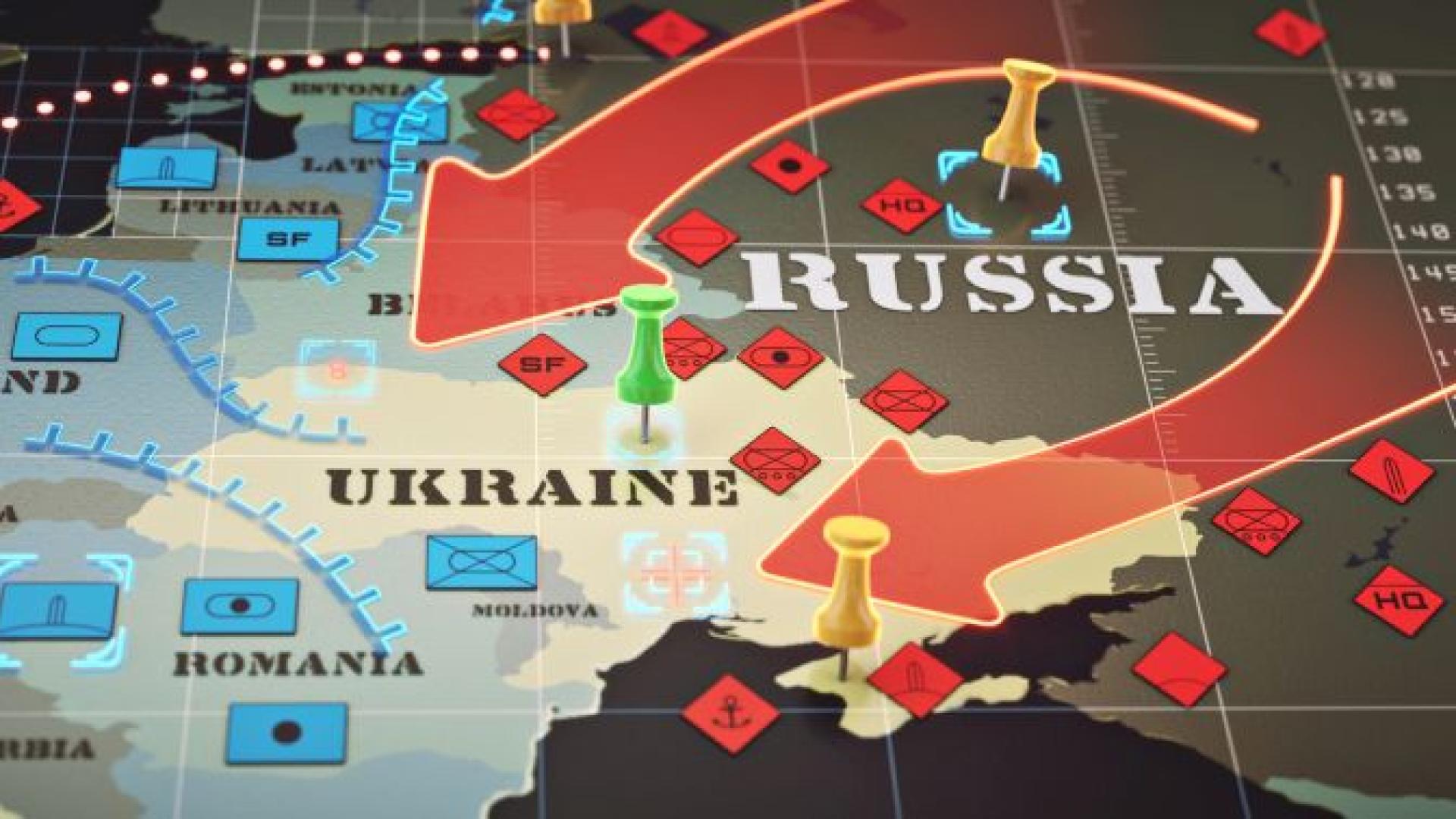
Strikes in Lebanon claim over 2,700 lives since March despite ceasefire efforts
Over 2,700 people have been killed in Lebanon since March due to ongoing strikes, despite a ceasefire, as reported by the United Nations.[2] Lebanon's health system is under severe strain from the escalation of hostilities, including airstrikes and cross-border attacks, according to the World Health Organization.[1] Fresh Israeli strikes have killed civilians in southern Lebanon, with one incident killing 3 people and another killing 4 while injuring 33, violating the truce.[3][4] The United Nations has described Lebanon's humanitarian situation as highly volatile, with continued violence affecting civilians.[2] Sirens sounded in northern Israel following a suspected drone infiltration from Lebanon, indicating ongoing cross-border tensions.[5] These developments underscore the fragile nature of the ceasefire and the persistent strike Lebanon challenges amid rising casualties and regional instability.
Overview of Recent Escalation
The ongoing conflict in Lebanon has entered a particularly intense phase, characterized by a sharp escalation in hostilities that includes renewed airstrikes and cross-border attacks.[1] This escalation has significantly worsened an already fragile humanitarian situation, marking one of the most intense periods of the conflict to date.[1] According to reports from the World Health Organization (WHO), these developments have led to widespread civilian casualties and mass displacement, placing immense pressure on the country's resources.[1] The United Nations Office for the Coordination of Humanitarian Affairs (OCHA) has emphasized that Lebanon's humanitarian situation remains highly volatile despite the ceasefire, with civilians continuing to bear the brunt of ongoing violence and rising casualties.[2]
Key triggers of this recent escalation appear rooted in the failure to fully implement the truce, as strikes and attacks persist.[2] The ceasefire, announced in April, was intended to halt the violence, yet daily attacks continue, violating the agreement.[3] This persistence highlights the challenges in de-escalating tensions in the region, where hostilities have not abated as hoped. The combination of airstrikes and cross-border incidents has created a cycle of retaliation and further violence, exacerbating the humanitarian crisis.[1] OCHA's warnings point to the volatile environment, where even minor incidents can lead to broader confrontations, affecting civilian populations across southern Lebanon and beyond.[2]
In this context, the recent developments represent a critical juncture for the conflict. The overstretched health system, already burdened before the escalation, now faces unprecedented demands from injuries, displacement, and the need for emergency services.[1] The UN's assessment underscores that the ceasefire has not brought the expected stability, with strikes continuing to claim lives and disrupt daily life.[2] This overview reveals how interconnected the elements of the conflict are—airstrikes fueling displacement, cross-border attacks heightening tensions, and overall violence straining every aspect of Lebanon's infrastructure. The situation demands close international attention, as the escalation shows no immediate signs of resolution based on current reports.[1][2]
Specific Incidents of Strikes
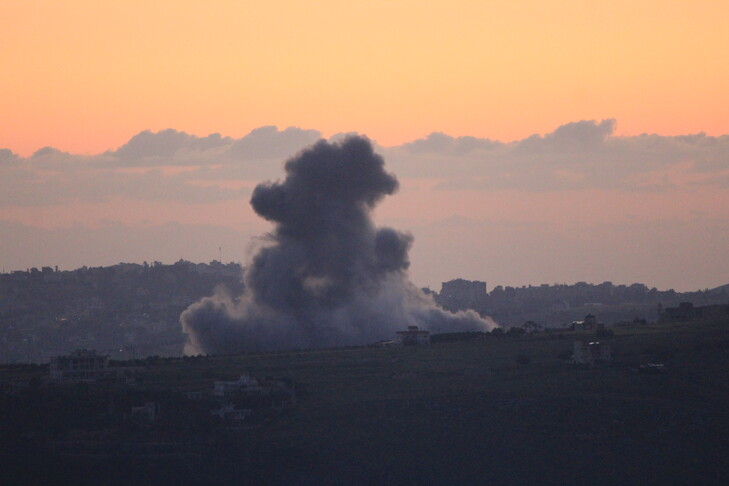
Israeli strikes in southern Lebanon kill three people despite ceasefire. — Source: anadolu
Recent specific incidents of strikes in southern Lebanon illustrate the persistence of violence despite the ceasefire. In one notable event, fresh Israeli strikes killed 3 people in southern Lebanon, directly violating the truce announced in April.[3] The Israeli army has continued these daily attacks, underscoring a pattern of non-compliance with the ceasefire agreement.[3] These strikes have targeted areas in the south, contributing to the tally of civilian deaths amid the broader conflict.
Another incident involved an Israeli airstrike that hit a house in Saksakieh, a location in southern Lebanon, killing 4 people and injuring 33 others.[4] This attack occurred despite the fragile ceasefire, raising concerns about renewed escalation.[4] The raids in southern Lebanon have stoked fears among residents, as the strikes demonstrate the ongoing risks to civilian lives even in periods meant for de-escalation.[4] The immediate outcomes of these incidents—deaths and numerous injuries—highlight the human cost of each violation, with families directly affected and communities living under constant threat.
These strikes in Lebanon serve as stark examples of how the truce is being undermined. The killing of civilians in these events aligns with broader reports of rising casualties, where each incident adds to the pressure on local response capabilities.[3][4] The choice of targets, such as residential areas in Saksakieh, amplifies the impact on non-combatants, leading to widespread displacement and trauma.[4] Furthermore, the daily nature of these attacks, as noted in reports, suggests a systematic continuation rather than isolated breaches.[3] Analyzing these incidents reveals a troubling trend: the ceasefire has not deterred military actions, potentially inviting further cross-border responses and perpetuating the cycle of violence. The details of casualties—3 killed in one strike, 4 killed and 33 injured in another—provide concrete evidence of the truce's fragility, demanding accountability and renewed diplomatic efforts.[3][4]
Humanitarian and Health Impacts
Lebanon's health system is experiencing severe strain due to the escalation of hostilities, including airstrikes and cross-border attacks.[1] This pressure has intensified an already fragile humanitarian situation, with the latest developments leading to widespread civilian casualties and mass displacement.[1] The World Health Organization has highlighted how the recent escalation has overwhelmed the country's overstretched health infrastructure, making it difficult to respond effectively to the influx of wounded and displaced individuals.[1]
The impacts extend beyond immediate medical needs. Airstrikes have caused significant civilian harm, contributing to a surge in casualties that local hospitals struggle to manage.[1] Mass displacement has further complicated the situation, as families flee affected areas only to face inadequate shelter and services elsewhere.[1] The Eastern Mediterranean Public Health Network's reporting emphasizes that this phase represents one of the most intense in the ongoing conflict, with the health system's capacity pushed to its limits.[1] Emergency care, trauma treatment, and basic healthcare provisions are all under duress, as resources are diverted to handle the consequences of renewed violence.
In examining these humanitarian and health impacts, the role of airstrikes and cross-border attacks stands out as a primary driver. The fragile pre-existing conditions in Lebanon—compounded by previous conflict phases—have left little margin for error.[1] Civilian life is profoundly disrupted, with displacement forcing relocations that strain community support networks and increase vulnerability to disease and malnutrition.[1] The WHO's observations indicate that without intervention, this strain could lead to long-term deterioration of health services, affecting not just current victims but future generations.[1] This section underscores the direct link between military actions and humanitarian fallout, where each strike Lebanon endures translates into measurable pressure on essential systems.
Casualty Figures and UN Assessments
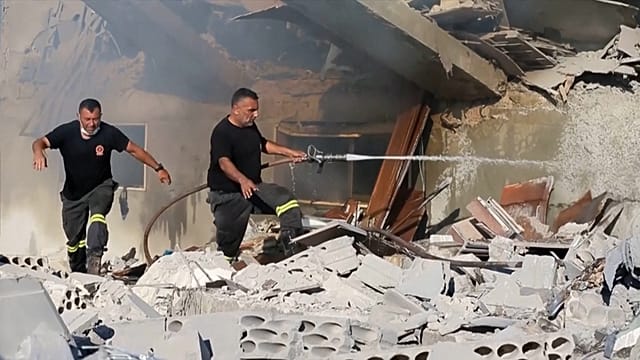
An Israeli airstrike in southern Lebanon kills four people and injures 33 amid a fragile ceasefire. — Source: africanews
The United Nations has reported that over 2,700 people have been killed in Lebanon since March, with strikes continuing despite the truce.[2] This figure encapsulates the rising casualties from ongoing violence, as detailed by the UN Office for the Coordination of Humanitarian Affairs (OCHA).[2] OCHA describes the humanitarian situation as highly volatile, noting that civilians remain affected by the persistent conflict even after the ceasefire was established.[2]
These casualty numbers reflect the severity of the situation, with deaths accumulating amid a failure to halt hostilities.[2] The UN's assessment warns of the risks posed by this volatility, where continued strikes exacerbate the crisis and prevent stabilization.[2] Specific to the post-March period, the over 2,700 deaths highlight a deadly trajectory that the truce has not interrupted.[2] OCHA's reports stress that civilians are disproportionately impacted, facing violence that disrupts lives and communities.[2]
Summarizing these figures and assessments reveals a grim reality: the ceasefire has not curbed the lethality of the conflict. The UN's emphasis on the "highly volatile" state points to potential for further worsening, as strikes persist without repercussion.[2] This broader humanitarian warning from international bodies calls attention to the need for monitoring and aid, as rising casualties strain responses.[2] The integration of these deaths into the narrative of ongoing violence provides a quantitative measure of the truce's shortcomings, urging a reevaluation of enforcement mechanisms.[2]
Cross-Border Activities
Cross-border tensions remain a significant factor in the regional dynamics, as evidenced by a suspected drone infiltration from Lebanon into northern Israel.[5] Sirens sounded in areas including Kiryat Shmona and surrounding regions following the incident, prompting alerts and an investigation by the Israeli army.[5] This event indicates ongoing activities that transcend the Lebanese border, contributing to heightened security concerns.
The suspected drone infiltration underscores the interconnected nature of the conflict, where actions from Lebanon directly impact neighboring areas.[5] The activation of sirens in northern Israel reflects immediate defensive measures taken in response to potential threats.[5] The Israeli army's ongoing investigation highlights the seriousness with which such cross-border activities are treated, potentially signaling preparations for further responses.[5]
These activities provide context for the wider regional picture, where drone incursions add to the layers of tension. The location—Kiryat Shmona, close to the border—amplifies the risks of escalation, as such incidents can provoke retaliatory strikes.[5] In the broader framework of the ceasefire, this event illustrates how cross-border elements sustain volatility, linking Lebanese hostilities to Israeli alerts.[5]
UN Assessments on Humanitarian Volatility
The United Nations Office for the Coordination of Humanitarian Affairs has repeatedly assessed Lebanon's situation as highly volatile, despite the ceasefire in place.[2] This volatility stems from ongoing violence that continues to affect civilians, with strikes persisting and casualties mounting.[2] OCHA's warnings emphasize that the humanitarian landscape remains unstable, with no respite for those impacted by the conflict.[2]
This assessment builds on the casualty figures, portraying a scenario where the truce has failed to deliver peace.[2] Civilians face daily risks from violence, as the UN notes the direct effects on their safety and well-being.[2] The description of high volatility serves as a critical alert to the international community about the potential for rapid deterioration.[2]
Grounded in these UN evaluations, the persistence of strikes amid volatility points to systemic challenges in conflict resolution. The focus on civilian impacts reinforces the urgency of addressing root causes, as outlined in OCHA's reports.[2]
What to watch next: Monitor compliance with the ceasefire, as the UN warns of a highly volatile situation where strikes and cross-border incidents could lead to further escalation and rising casualties.[2]