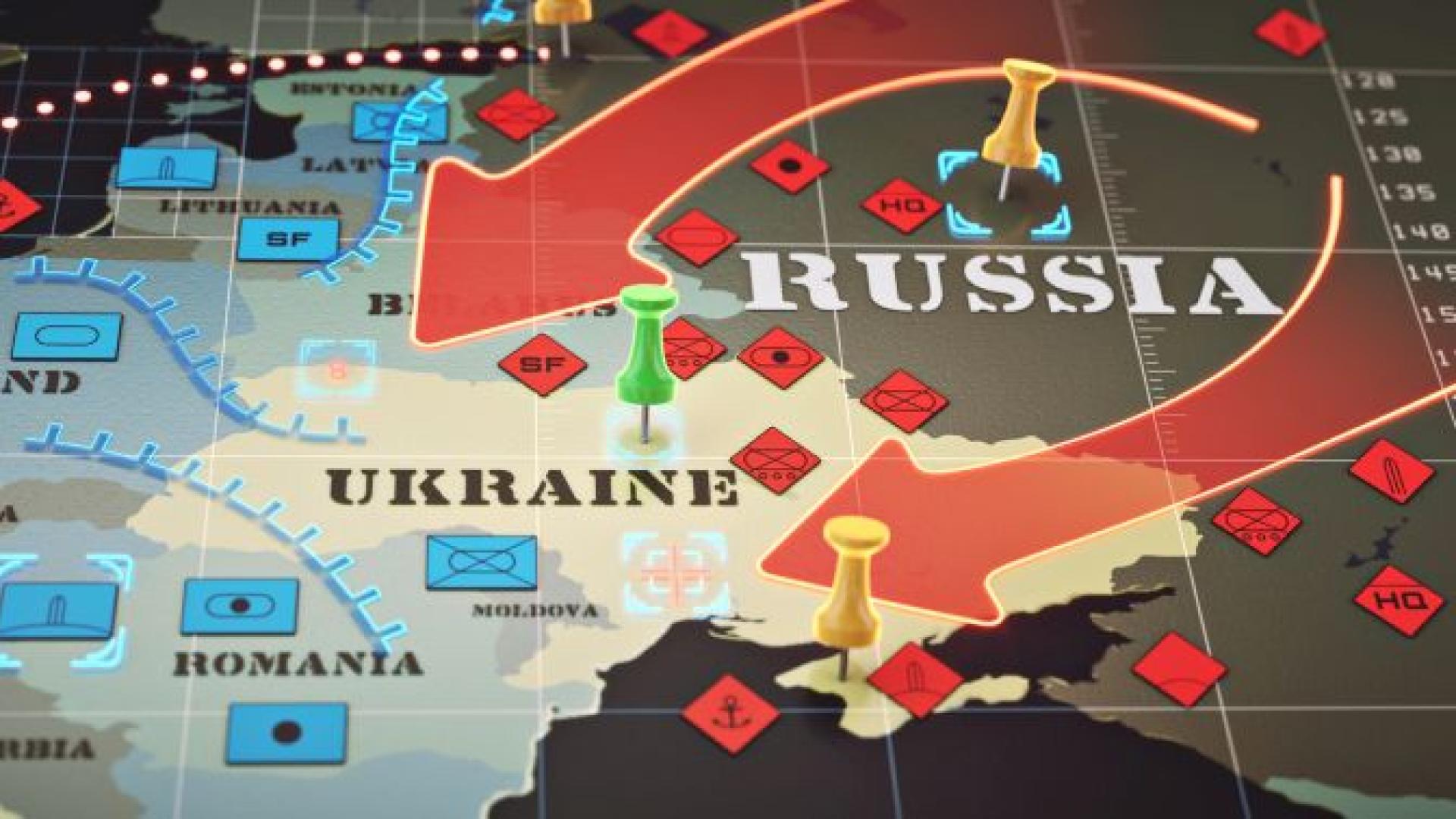
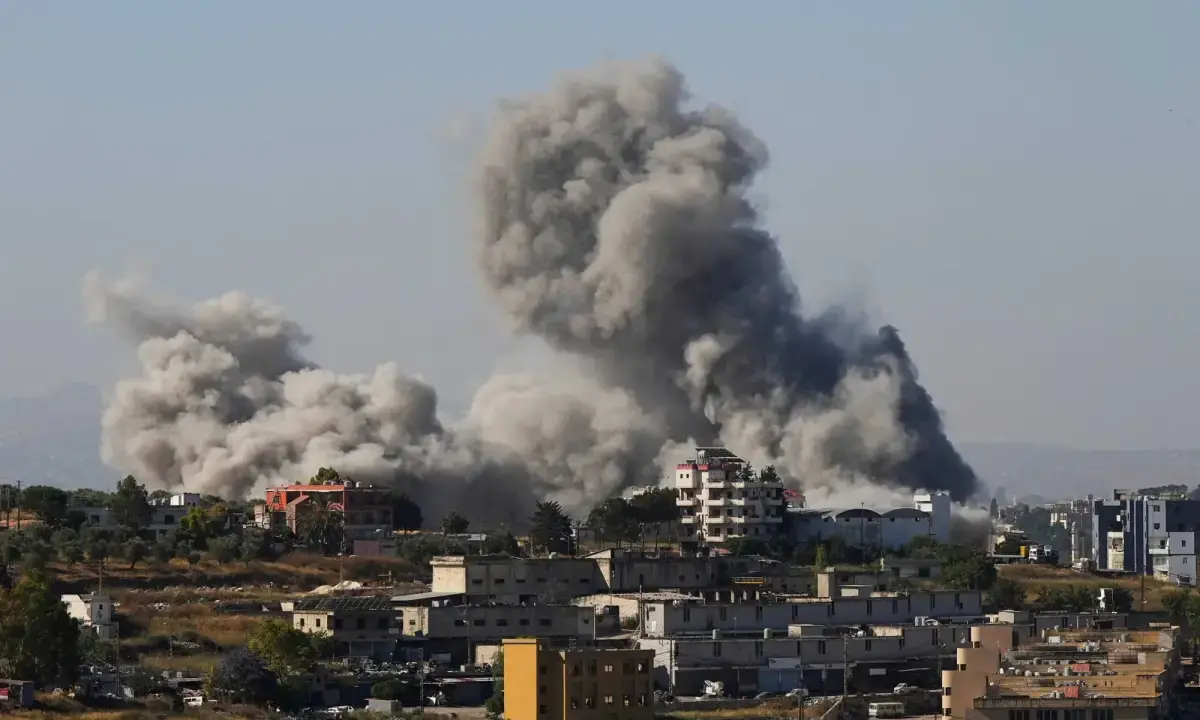
Ukraine war sees Kyiv accuse Russia of breaching unilateral ceasefire
In the latest escalation of the war Ukraine, Kyiv has accused Moscow of ignoring a unilateral ceasefire, highlighting persistent tensions amid ongoing military operations.[1] This claim comes as Ukraine's military reports significant Russian losses, with preparations underway for a challenging winter phase and broader humanitarian repercussions felt in neighboring countries. French commentary underscores Russia's growing difficulties, painting a picture of a conflict showing no signs of abating.
Recent Accusations in the Conflict
Kyiv's recent accusation against Moscow centers on the alleged disregard for a unilateral ceasefire, a development that underscores the fragile state of de-escalation efforts in the war Ukraine.[1] According to reports from GDELT monitoring, the Ukrainian capital has directly pointed fingers at Russian forces for failing to honor this one-sided truce initiative, which was presumably declared by Ukraine without mutual agreement.[1] Such unilateral measures are often employed in asymmetric conflicts to test an adversary's intentions or to gain moral high ground, but their rejection can intensify hostilities.
This incident reflects a pattern of mutual recriminations that have characterized the conflict since its early stages. Kyiv's public statement, dated May 6, 2026, emphasizes Moscow's unwillingness to pause operations, potentially complicating any future diplomatic overtures.[1] The accusation arrives at a time when battlefield dynamics remain fluid, with both sides reporting advances and setbacks. By highlighting this breach, Ukrainian authorities aim to draw international attention to Russia's commitment—or lack thereof—to humanitarian pauses or temporary halts in fighting.
The implications of ignoring such a ceasefire extend beyond immediate tactical considerations. It signals to allies and observers that Moscow prioritizes military objectives over gestures that could lead to negotiations. In the broader context of the war Ukraine, this event reinforces narratives of Russian intransigence, potentially influencing aid decisions from Western partners. Ukrainian officials have used similar platforms in the past to document violations, building a case for continued support. While the specifics of the ceasefire's terms—such as its duration, scope, or proposed start time—are not detailed in available reports, the core claim remains that Moscow opted to continue operations unabated.[1]
Furthermore, this development fits into a series of recent updates where trust deficits hinder progress toward any resolution. Kyiv's forthright accusation serves multiple purposes: it rallies domestic support, pressures international mediators, and documents patterns of behavior for potential future accountability mechanisms. As the war Ukraine enters its protracted phase, such public call-outs become integral to information warfare, shaping perceptions both at home and abroad.[1] Analysts note that unilateral ceasefires, by their nature, carry inherent risks of non-compliance, yet their invocation by Kyiv demonstrates a strategic willingness to extend olive branches even amid adversity.
Military Updates and Losses
Russian troops incur 890 soldier losses in the past day. — Source: ukrainskapravda
Ukraine's General Staff has reported that Russia suffered 890 soldiers killed and wounded over the past day, providing a stark indicator of the war's unrelenting toll on Moscow's forces.[2] This daily update from Ukrainska Pravda details the latest casualties, reflecting the intensity of engagements across multiple fronts.[2] Such figures, compiled by Ukrainian military intelligence, are released regularly to quantify the human cost borne by the invading army, offering a snapshot of operational pressures.
The reported losses of 890 personnel in a single 24-hour period highlight the sustained combat tempo that has defined recent months.[2] Ukraine's General Staff emphasizes that these numbers encompass both fatalities and injuries, capturing the full spectrum of battlefield attrition. In the context of the war Ukraine, these updates serve not only as accountability measures but also as morale boosters for Ukrainian troops and civilians, illustrating the effectiveness of defensive and counteroffensive strategies.
Breaking down the implications, daily losses at this scale suggest significant resource strain on Russian logistics and manpower reserves. Historical patterns from prior General Staff reports show cumulative figures climbing steadily, with each day's tally contributing to broader strategic challenges for Moscow.[2] The precision of the 890 figure underscores the methodical nature of Ukraine's tracking, likely drawn from intercepted communications, drone surveillance, and frontline observations. This transparency contrasts with Russia's more opaque reporting, allowing Kyiv to dominate the narrative on casualties.
Moreover, these military updates reinforce the grinding nature of the conflict, where incremental gains come at high costs. For Russia, absorbing nearly 900 casualties daily implies a need for constant reinforcements, potentially drawing from less experienced units and exacerbating domestic recruitment issues.[2] In the war Ukraine, such data points become critical for assessing momentum—whoever sustains fewer proportional losses holds an edge in endurance. Ukraine's ability to inflict these numbers speaks to improved artillery capabilities, drone strikes, and fortified positions that have blunted Russian assaults.
As the conflict persists, these casualty reports also inform international discourse, with allies citing them to justify sustained arms deliveries. The General Staff's consistent methodology lends credibility, making the 890-loss day a benchmark for evaluating future trends.[2] Whether through positional battles or more dynamic maneuvers, the human price remains evident, a somber reminder of the war Ukraine's ferocity.
Strategic Outlook and Future Challenges
Ukraine is shifting focus beyond the summer offensive toward what is described as a crucial winter in the war, with peace talks stalled and concerns over potential weapon diversions due to other global conflicts.[3] The Japan Times reports that Moscow appears to be betting on Middle East tensions to divert Western arms supplies away from Ukraine, a calculation that could alter the balance if realized.[3] This strategic outlook encapsulates the long-term planning necessitated by the protracted nature of the engagement.
Preparations for winter involve not just military adaptations but also logistical fortification against harsh weather, which historically favors defenders with superior supply lines. With peace negotiations at a standstill, Ukraine must anticipate prolonged fighting, stockpiling munitions and training forces for cold-weather operations.[3] The stalled talks indicate deep divisions over core issues like territorial integrity and security guarantees, leaving military means as the primary avenue for influence.
Russia's perceived strategy of exploiting Middle East conflicts introduces an element of geopolitical opportunism. By prolonging the war Ukraine into winter, Moscow hopes resource constraints will weaken Kyiv's resolve or capabilities.[3] Ukraine's response—looking ahead proactively—demonstrates resilience, with efforts to diversify supply chains and secure commitments from partners. This phase transition from summer offensives to winter stalemate has precedents in modern warfare, where seasonal factors amplify existing asymmetries.
The crucial nature of winter underscores vulnerabilities: frozen terrain aids mobility but strains unheated positions and fuel-dependent equipment. Peace talks' stagnation, as noted, removes diplomatic off-ramps, compelling both sides to hunker down.[3] Potential diversions of weapons represent a wildcard, as U.S. and European stockpiles could be stretched thin, indirectly benefiting Russia. Ukraine's strategic pivot thus prioritizes endurance, innovation in asymmetric tactics, and diplomatic pushes to maintain aid flows.
In analyzing this outlook, the interplay of stalled diplomacy and external conflicts paints a multifaceted challenge. Moscow's bet on diversions reflects confidence in its attrition model, while Ukraine's preparations signal determination to weather the storm.[3] As the war Ukraine evolves, this winter looms as a pivotal testing ground for sustainability.
Humanitarian Impact on Neighboring Regions

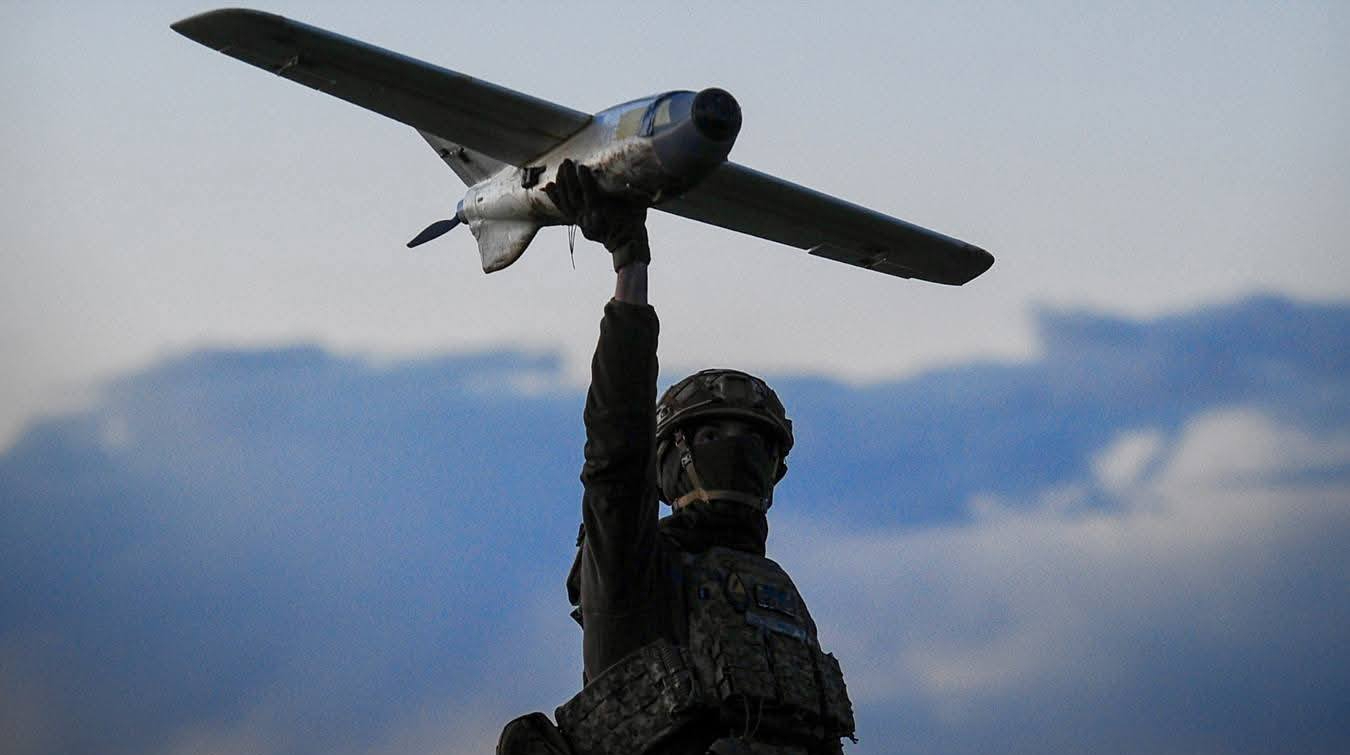
Ukrainian forces prepare for a crucial winter in the ongoing war. — Source: japantimes
Moldova hosts 140,698 refugees from Ukraine as of March 2026, grappling with ongoing needs for humanitarian assistance amid disruptions caused by attacks on Ukrainian infrastructure.[4] The UN High Commissioner for Refugees' operational update details how the Republic of Moldova continues to shelter this substantial population, many requiring specialized services and sustained support.[4] The fragile security environment is exacerbated by the neighboring war Ukraine, with recent repeated strikes on critical infrastructure directly impacting cross-border access.
These refugees, fleeing the conflict, represent a significant demographic shift for Moldova, straining resources in housing, healthcare, and integration efforts.[4] The precise figure of 140,698 underscores the scale, with updates indicating steady inflows despite fluctuating frontline developments. Humanitarian assistance remains vital, encompassing food, medical care, and psychological support tailored to war-affected individuals.
Disruptions from Ukrainian infrastructure attacks have tangible effects on Moldova, interrupting electricity, communications, and possibly trade routes.[4] Such incidents create ripple effects, complicating aid delivery and daily life for both refugees and locals. The report notes the security situation's fragility, linking it explicitly to the ongoing war Ukraine, where proximity amplifies vulnerabilities.
Broader consequences include economic pressures on Moldova, as hosting capacities are tested. Specialized services for vulnerable groups—children, elderly, disabled—demand coordinated international response.[4] Attacks on infrastructure, described as repeated, highlight the war's spillover, potentially causing blackouts or supply shortages that transcend borders.
This humanitarian footprint illustrates the war Ukraine's regional ramifications, with Moldova serving as a frontline receiver. Sustained UNHCR involvement emphasizes the need for long-term planning, as refugee numbers persist into 2026.[4] Addressing these impacts requires balancing immediate relief with capacity-building for the host nation.
International Reactions and Statements
French Foreign Minister Jean-Noel Barrot has stated that Russia is facing deepening problems both on the battlefield and domestically, urging the Kremlin to recognize that the war is not proceeding according to plan.[5] In comments reported by Ukrainska Pravda, Barrot highlighted recent developments pointing to these challenges, calling for Moscow to reconsider and end its aggression against Ukraine.[5]
This international perspective from France, a key supporter of Kyiv, frames Russia's position as increasingly untenable. Battlefield issues likely reference stalled advances and high casualties, while domestic problems could encompass economic strains or political dissent—though specifics are tied to "recent developments."[5] Barrot's assertion that Putin must realize the war's misalignment with expectations adds diplomatic weight, aligning with Western narratives of Russian overreach.
Such statements from high-level officials like the French Foreign Minister serve to amplify pressure on Moscow, reinforcing unity among allies. By noting dual fronts of trouble—military and internal—Barrot encapsulates a holistic critique.[5] In the war Ukraine, foreign commentary shapes global opinion, influencing sanctions and aid packages.
France's position, articulated clearly, underscores Europe's stake in the outcome. The call to "end its war against Ukraine" reiterates the invasion's illegitimacy, positioning negotiations on Ukraine's terms.[5] These remarks contribute to a chorus of international reactions, where battlefield assessments inform policy.
Key Facts and Casualty Trends in the War Ukraine
Amid the war Ukraine, key facts emerge from recent reports: Russia lost 890 soldiers killed and wounded over the past day per Ukraine's General Staff,[2] while Moldova shelters 140,698 Ukrainian refugees as of March 2026.[4] French assessments note Russia's deepening problems,[5] and Ukraine prepares for a crucial winter with stalled peace talks.[3] These elements collectively illustrate the conflict's multifaceted pressures.
Casualty trends, like the 890 daily figure, indicate sustained intensity,[2] correlating with international observations of Russian setbacks.[5] Refugee numbers in Moldova reflect humanitarian scale, disrupted further by infrastructure attacks.[4] Strategic preparations for winter highlight endurance tests ahead.[3]
This synthesis of facts provides a comprehensive view, where military, humanitarian, and diplomatic threads intertwine in the war Ukraine. Each data point reinforces the conflict's gravity, guiding stakeholder responses.
What to watch next: Monitor Ukraine's winter preparations amid stalled peace talks and potential weapon diversions,[3] alongside daily Russian losses like the recent 890 casualties,[2] and evolving international pressure on Moscow's battlefield and domestic challenges.[5]