
Strike Ukraine: Russian Launch of 143 Drones Results in 116 Interceptions by Air Defence
In a significant escalation of the ongoing conflict, the strike Ukraine has witnessed involved Russian forces launching Iskander-M missiles alongside 143 drones in a large-scale overnight assault. Ukrainian air defence forces successfully intercepted 116 of those drones and one Iskander-M missile, demonstrating robust defensive capabilities amid intensified attacks.[1] This event underscores the persistent aerial threats facing Ukraine, with civilians continuing to suffer the consequences as highlighted in recent United Nations assessments.[2]
Overview of Recent Strikes
The latest military actions in the strike Ukraine context reveal a pattern of intensified Russian offensive operations, characterized by the deployment of advanced missile systems and a substantial number of drones. According to reports, Russian forces initiated a major assault by launching Iskander-M missiles and precisely 143 drones targeting Ukrainian positions.[1] This operation marks part of a broader trend where attacks have notably increased in frequency and scale since the previous United Nations Security Council briefing approximately one month prior.[2]
These strikes are not isolated incidents but contribute to an ongoing campaign involving multiple weapon types. The UN statement emphasizes that missile, drone, and artillery strikes have become more prevalent, amplifying the pressures on Ukrainian infrastructure and populations.[2] The specific launch of 143 drones alongside Iskander-M missiles highlights the tactical emphasis on overwhelming Ukrainian defences through sheer volume and precision-guided munitions.[1] Such actions align with reports of heightened aggression, where the coordination of these assets aims to saturate air defence systems and penetrate deeper into defended airspace.
The intensification noted in UN observations points to a strategic shift or escalation, with these strikes occurring in a context of sustained military pressure.[2] Russian launches of this magnitude—143 drones in a single assault—represent a significant resource commitment, potentially aimed at testing Ukrainian response times and interception rates.[1] Furthermore, the inclusion of Iskander-M missiles, known for their ballistic capabilities within the scope of this event, adds a layer of complexity to the defensive challenge faced by Ukraine.[1] This overview captures the immediate dynamics of the assault, setting the stage for examining defensive countermeasures and broader repercussions.
Ukrainian Defensive Measures
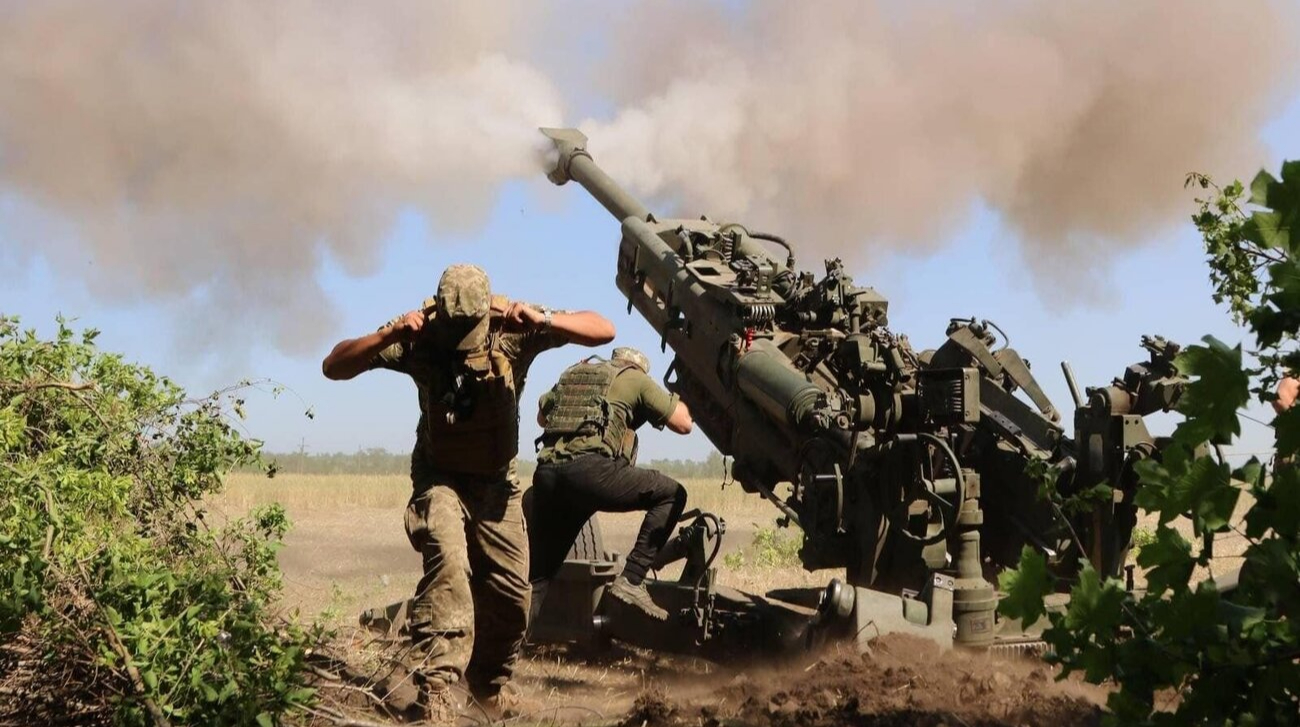
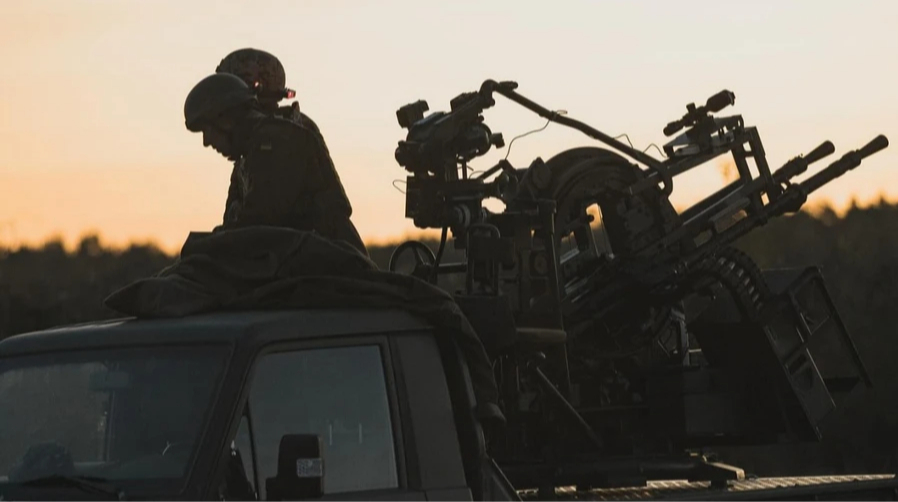
Ukrainian air defence forces mounted an effective response to the Russian assault, intercepting 116 out of the 143 drones launched and downing one Iskander-M missile during the overnight operation.[1] This interception rate—approximately 81% for the drones—illustrates the proficiency and readiness of Ukraine's layered air defence network in countering large-scale drone swarms combined with missile threats.[1]
The success in downing such a high number of drones underscores the operational effectiveness of Ukraine's systems, which managed to neutralize the vast majority of the incoming threats before they could reach their intended targets.[1] In the face of Iskander-M missiles, which are short-range ballistic weapons employed in this strike, Ukrainian forces also achieved a key interception, mitigating potential damage from these high-speed projectiles.[1] This defensive action occurred amid a "large-scale" assault, indicating that Ukraine's air defences were scaled appropriately to handle the volume and diversity of threats presented.[1]
Detailed analysis of the engagement reveals that out of 143 drones, 116 were successfully downed, leaving 27 unaccounted for in terms of final outcomes, though the focus remains on the confirmed interceptions.[1] The single Iskander-M missile downed further highlights targeted successes against higher-value missile threats within the barrage.[1] These measures not only prevented widespread impact but also preserved critical infrastructure and civilian areas from the full force of the attack. Ukraine's air defence operations continue to adapt to the evolving tactics of drone saturation attacks, maintaining a high interception threshold even under pressure.[1]

UN official Joyce Msuya addresses the Security Council on Ukraine's humanitarian situation. — Source: reliefweb
Breakdown of the Aerial Assault
Delving deeper into the specifics of the strike Ukraine event, the Russian launch comprised Iskander-M missiles—a tactical ballistic system—and an extensive drone component totaling 143 units, launched in a coordinated overnight push.[1] This composition reflects a hybrid approach blending standoff missile strikes with low-cost, high-volume drone incursions designed to overwhelm defences.[1]
The assault's scale is particularly noteworthy, as the deployment of 143 drones in one operation demands significant logistical preparation and launch infrastructure on the Russian side.[1] Ukrainian reports confirm the downing of 116 drones, providing granular insight into the engagement's dynamics: each interception represents real-time detection, tracking, and neutralization amid a potentially chaotic multi-vector threat environment.[1] The additional downing of one Iskander-M missile amid this drone-heavy barrage demonstrates the versatility of Ukrainian systems in prioritizing and engaging disparate threats simultaneously.[1]
This breakdown emphasizes the quantitative dominance of drones in the assault—143 launched versus the missiles—suggesting a doctrinal reliance on unmanned aerial vehicles for attrition warfare.[1] The overnight timing further complicates defensive postures, as reduced visibility and potential electronic warfare interference challenge radar and optical detection.[1] Overall, the assault's structure, as detailed, positions it as a benchmark for evaluating air defence resilience against numerically superior drone fleets augmented by missile support.[1]
Ukrainian Counter-Strikes
In response to ongoing Russian aggression, Ukraine's Unmanned Systems Forces, Special Operations Forces, and Defence Intelligence (DIU) have confirmed a repeat strike on Russia's Tuapse Oil Refinery located in Krasnodar Krai.[3] This second attack on the facility, verified through video evidence, targets a key energy infrastructure asset deep within Russian territory.[3]
The involvement of multiple Ukrainian units—Unmanned Systems Forces for drone operations, Special Operations Forces for precision execution, and DIU for intelligence coordination—highlights a sophisticated, multi-domain counter-offensive capability.[3] The Tuapse Oil Refinery, struck previously and now hit again, serves as a strategic node in Russia's oil processing network, and this repeat action signals sustained Ukrainian efforts to disrupt enemy logistics and fuel supplies.[3]
Confirmation of the strike via video underscores the transparency and evidentiary standard upheld by Ukrainian forces in reporting such operations.[3] This counter-strike occurs against the backdrop of intensified Russian assaults, positioning it as a calibrated retaliation aimed at imposing symmetric costs.[3] The precision targeting of the refinery for a second time indicates ongoing surveillance and operational planning, leveraging lessons from the initial strike to enhance effectiveness.[3]
{IMAGE_3}
Humanitarian Impact of Strikes
The intensified attacks across Ukraine, including missile, drone, and artillery strikes, have placed civilians at the forefront of the suffering, as articulated in a United Nations Security Council statement.[2] Delivered by Joyce Msuya, Assistant Secretary-General for Humanitarian Affairs and Deputy Emergency Relief Coordinator, on behalf of Tom Fletcher, Under-Secretary-General for Humanitarian Affairs and Emergency Relief Coordinator, the briefing paints a stark picture of the humanitarian realities unfolding.[2]
Since the last Council update one month earlier, the escalation in strikes has exacerbated vulnerabilities for non-combatants, who continue to bear the brunt of the violence.[2] The UN assessment links these intensified operations directly to worsening conditions, with missile and drone strikes contributing to displacement, infrastructure damage, and loss of life among civilian populations.[2] Artillery barrages compound this impact, turning populated areas into high-risk zones and straining humanitarian response capacities.[2]
This statement, sourced from the UN Office for the Coordination of Humanitarian Affairs, emphasizes the political and security developments' direct translation into human costs.[2] Civilians' disproportionate exposure reflects the indiscriminate nature of some strikes, amplifying needs for aid, shelter, and medical support.[2] The ongoing nature of these attacks perpetuates a cycle where humanitarian access remains challenged, underscoring the urgent call for protection mechanisms.[2]
Context of Current Situation
The current situation in the strike Ukraine theatre integrates Russian large-scale launches of Iskander-M missiles and 143 drones—with Ukrainian interceptions of 116 drones and one missile—alongside intensified attacks noted by the UN and Ukraine's confirmed repeat strike on the Tuapse Oil Refinery.[1][2][3] This synthesis reveals a tit-for-tat dynamic, where defensive successes temper offensive gains, yet civilian impacts persist.[1][2]
Russian assaults, as detailed, employ volume tactics via drones augmented by missiles, met by high interception rates that preserve Ukrainian operational integrity.[1] Concurrently, UN reports frame these within a month-long intensification trend, with missile, drone, and artillery elements driving humanitarian strain.[2] Ukraine's counter via specialized forces on Russian assets like Tuapse introduces asymmetry, targeting sustainment capabilities.[3]
Implications include sustained air defence efficacy, potentially deterring further escalations, while repeat strikes signal proactive posture.[1][3] The humanitarian lens from the UN briefing contextualizes military actions' broader toll, advocating for de-escalation amid ongoing exchanges.[2] Collectively, sources depict a conflict phase of mutual high-stakes engagements, with defences holding firm against volume and precision threats.[1][2][3]
What to watch next: With attacks continuing to intensify and civilians bearing the brunt,[2] attention will focus on Ukraine's air defence performance in future drone and missile barrages[1] and any further developments in counter-strikes against Russian infrastructure like the Tuapse refinery.[3]