
Strike Ukraine: Russian Forces Target Logistics Hubs in Potential Game-Changer
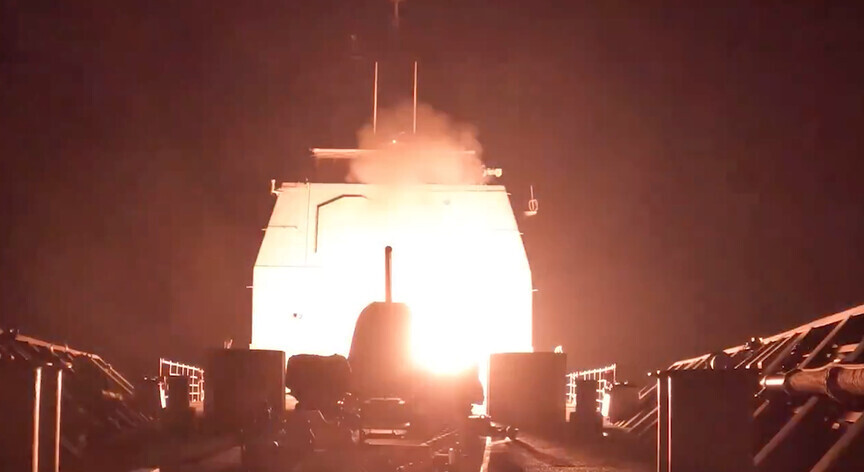
Russia is concentrating firepower on Ukraine's logistics hubs, which could potentially alter the course of the conflict.[1] In a series of recent developments, Russian forces have intensified strikes on critical Ukrainian infrastructure, including ports and areas near nuclear facilities, while Ukraine has responded with its own attacks on Russian oil assets. These actions underscore the escalating tit-for-tat nature of the strike Ukraine exchanges, with both sides targeting supply lines and strategic vulnerabilities that could shift battlefield dynamics.
Overview of Recent Russian Strikes in Ukraine
Russian military operations have shifted focus toward Ukraine's key logistics hubs, marking a potential turning point in the ongoing conflict.[1] Reports indicate that Russia is directing concentrated firepower at these vital nodes, which serve as the backbone for Ukraine's supply chains, troop movements, and economic lifelines. Logistics hubs, often encompassing ports, railways, and distribution centers, are essential for sustaining frontline operations and civilian needs alike. By targeting them, Russian forces aim to disrupt Ukraine's ability to maintain momentum, potentially forcing reallocations of resources and exposing weaknesses in defensive postures.
The strategic implications of this approach are significant. Disrupting logistics can cascade into broader operational challenges, such as delayed reinforcements, fuel shortages, and hampered humanitarian aid flows. According to monitoring from global event databases, this concentration of strikes represents a "hotspot" that could "pivot the conflict's landscape."[1] Such tactics have been employed in previous phases of the war, but the recent intensification suggests a deliberate escalation to pressure Ukraine amid its counteroffensives. While exact casualty figures and damage assessments remain fluid, the focus on these hubs elevates the stakes, as sustained pressure could compel Ukraine to divert air defenses and repair crews from frontline positions.
This overview aligns with patterns observed in prolonged conflicts, where attrition through infrastructure strikes becomes a core strategy. Russia's emphasis here follows earlier campaigns against energy grids and bridges, but the pivot to logistics underscores an intent to choke supply arteries. Ukrainian officials have acknowledged the strain, with reports of emergency measures to protect rail and port facilities. The potential for this to "alter the course" lies in its compounding effect: if hubs like Odesa are repeatedly hit, export revenues drop, import dependencies rise, and military resupply slows, creating openings for ground advances.[1]
Specific Incidents Involving Russian Drone and Missile Attacks
{IMAGE_2}
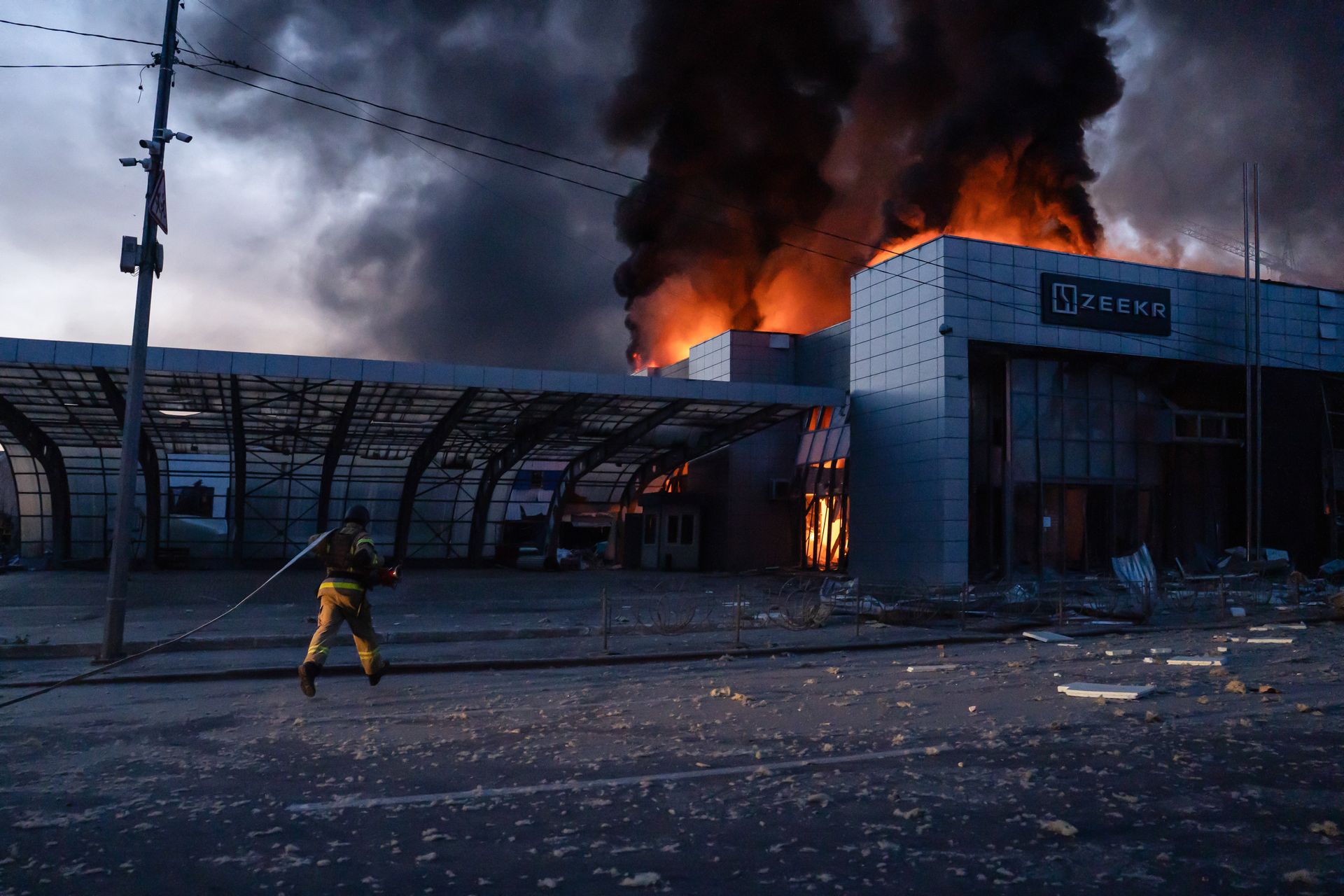
Detailed accounts of recent Russian drone and missile activities highlight the precision and persistence of these strikes on Ukrainian infrastructure. In one notable incident, Russian drones targeted Ukraine's Odesa port, a critical Black Sea gateway for grain exports and military logistics, resulting in the death of a railway worker.[2] Ukraine's deputy prime minister confirmed the attack, noting it occurred in the southern region and struck key transport links adjacent to the port. The fatality underscores the human cost, as the worker was engaged in maintaining rail connections vital for moving goods inland.
Odesa has long been a focal point due to its role in global food security and Ukraine's wartime economy. The port's repeated targeting disrupts not only commercial shipping but also naval operations, with debris and secondary explosions complicating recovery efforts. Ukrainian authorities reported the strike as part of a broader drone barrage, forcing temporary halts in port activities and raising alarms over maritime safety.
Compounding these concerns, Ukraine's top state prosecutor revealed that Russian missiles have been launched on flight paths near the disused Chernobyl nuclear plant, heightening the risk of a major accident.[3] Prosecutor General Ruslan Kravchenko provided written remarks to Reuters, detailing previously unreported military activity around Ukrainian nuclear sites. Russia has repeatedly used trajectories passing close to Chernobyl during drone and missile assaults, a practice that endangers the facility's containment structures and surrounding exclusion zone.
Chernobyl, site of the 1986 disaster, remains highly radioactive, with spent fuel rods and unstable sarcophagi vulnerable to shockwaves or fires from nearby blasts. The prosecutor's account emphasizes how these overflights—necessitated perhaps by air defense gaps or terrain—create unintended proximity risks. Even indirect hits could release contaminants, affecting air, water, and soil across borders. Ukraine is preparing responses, but the revelation adds a layer of international urgency, as nuclear safety protocols under IAEA oversight are tested.[3]
These incidents illustrate the dual threats of immediate infrastructure damage and long-term hazards, with drones enabling low-cost, high-volume strikes and missiles providing standoff capability.
Ukraine's Response Through Counter-Strikes
Ukraine has mounted a robust counteroffensive, escalating strikes on Russian oil infrastructure to mirror the pressure on its own logistics.[4][5] In a key operation, Ukrainian drones struck an oil-pumping and dispatch facility in Russia's Samara region, part of the Druzhba Pipeline system.[5] An official from Ukraine's SBU security service confirmed the overnight attack on the facility in the village of Prosvet, aiming to disrupt Russia's energy export network.
The Druzhba Pipeline, one of Europe's largest, carries crude oil from Russia to refineries abroad, making it a high-value target. Damage to pumping stations can halt flows for days or weeks, forcing costly rerouting and exposing vulnerabilities in Russia's energy sector. This strike follows a pattern of Ukraine targeting refineries, depots, and now midstream assets, with SBU operatives leveraging long-range drones for deep penetrations.[5]
President Zelensky has framed these actions amid warnings that sanctions relief is emboldening Russia's war efforts.[4] As Ukraine intensifies oil strikes, the leadership highlights how eased restrictions allow Moscow to fund military production and imports. These counter-strikes serve multiple aims: degrading fuel supplies for Russian armor and aircraft, straining budgets through repairs, and signaling resolve to Western allies. Reports indicate successful hits have already impacted output, with fires and shutdowns reported at similar sites.
Ukraine's drone program, bolstered by domestic production and foreign aid, has enabled this parity in long-range fires. Strikes like the Samara one demonstrate improved targeting intelligence and evasion tactics, potentially forcing Russia to bolster rear-area defenses.[4][5]
Broader Implications of the Escalating Conflict
The mutual escalation carries profound strategic ramifications, as both sides vie for leverage through infrastructure warfare.[1][4] Russia's focus on Ukrainian logistics hubs could indeed "pivot the conflict," by creating sustainment crises that amplify frontline pressures.[1] Meanwhile, Ukraine's oil strikes aim to impose economic pain, countering Russia's resource advantages.
Zelensky's caution about sanctions relief underscores a critical dynamic: partial exemptions or enforcement gaps enable Russia to procure dual-use goods and sustain oil revenues, fueling ambitions despite battlefield costs.[4] This interplay risks prolonging the war, as disrupted logistics on both sides lead to stalemates or opportunistic gains. Potential outcomes include heightened energy prices globally, refugee flows from damaged hubs, and diplomatic pushes for de-escalation.
The conflict's trajectory hinges on resilience: Ukraine's adaptive repairs versus Russia's strike volume, and vice versa for energy targets. These developments signal a phase where logistics and fuel become decisive battlegrounds.[1][4]
Key Risks and Safety Concerns
Strikes near sensitive sites like Chernobyl amplify existential dangers, with Ukraine's prosecutor warning of major accident risks from Russian missile paths.[3] The plant's fragile infrastructure—decades-old containment and waste storage—cannot withstand concussive forces or errant ordnance. Repeated overflights elevate probabilities of debris impact, power disruptions, or fires that could breach seals, releasing cesium-137 and other isotopes.
Prosecutor Kravchenko's remarks detail how these paths, used for attacks elsewhere, skirt nuclear zones due to geography or defenses, creating a "near-miss" scenario with cascading effects: contamination plumes could render areas uninhabitable, strain medical systems, and prompt evacuations.[3] IAEA monitoring is challenged by access restrictions, heightening opacity.
Beyond Chernobyl, port strikes like Odesa's risk secondary hazards such as oil spills or unexploded ordnance, endangering shipping lanes. These concerns demand international safeguards, though wartime realities complicate enforcement.
What to watch next: Monitor Ukraine's logistics repair timelines and Russian follow-up strikes on hubs, alongside impacts from oil facility hits on Druzhba flows and any IAEA assessments of Chernobyl risks.[1][3][5]