
Strike Ukraine: Drone Attacks Target Russian Warships in Crimea
In a significant development on the Strike Ukraine front, Ukrainian intelligence has released a video showing drone strikes on Russian warships in occupied Crimea, highlighting ongoing Ukrainian operations against Russian naval assets in the region.[1]
Overview of Ukrainian Strikes on Russian Assets
Ukrainian intelligence has made public a video documenting precise drone strikes targeting Russian warships stationed in occupied Crimea, underscoring the continued focus on disrupting Russian naval presence in the Black Sea area.[1] The footage specifically captures attacks on two Russian landing ships, the Yamal and the Nikolai Filchenkov, both of which are key components of Russia's fleet operating from Crimean ports.[1] This release from Ukraine’s intelligence services provides visual evidence of the strikes' execution, demonstrating the capability of Ukrainian unmanned aerial vehicles to reach and engage high-value targets deep within occupied territory.[1]
The significance of these strikes lies in their strategic positioning within the broader context of the conflict, where control over Crimean waters remains a contested domain. By targeting landing ships like the Yamal and Nikolai Filchenkov, which are designed for amphibious operations and logistics support, Ukraine aims to impair Russia's ability to project power from the peninsula.[1] The video's publication serves not only as a tactical report but also as a morale booster and a signal of operational reach, released through outlets like Ukrainska Pravda to detail the moment of impact on these vessels.[1] Such actions reflect a pattern of Ukrainian efforts to challenge Russian dominance in the region, where Crimea has been a logistical hub since its occupation.
Detailed analysis of the video reveals the precision of the drone operations, with the strikes occurring in close proximity to Russian naval infrastructure.[1] This event adds to a series of Ukrainian maritime-targeted operations, emphasizing the evolving role of drones in modern warfare within the Strike Ukraine theater. The intelligence release confirms the successful penetration of defended waters, hitting vessels that have historically supported Russian military movements.[1]
Recent Russian Military Offensives
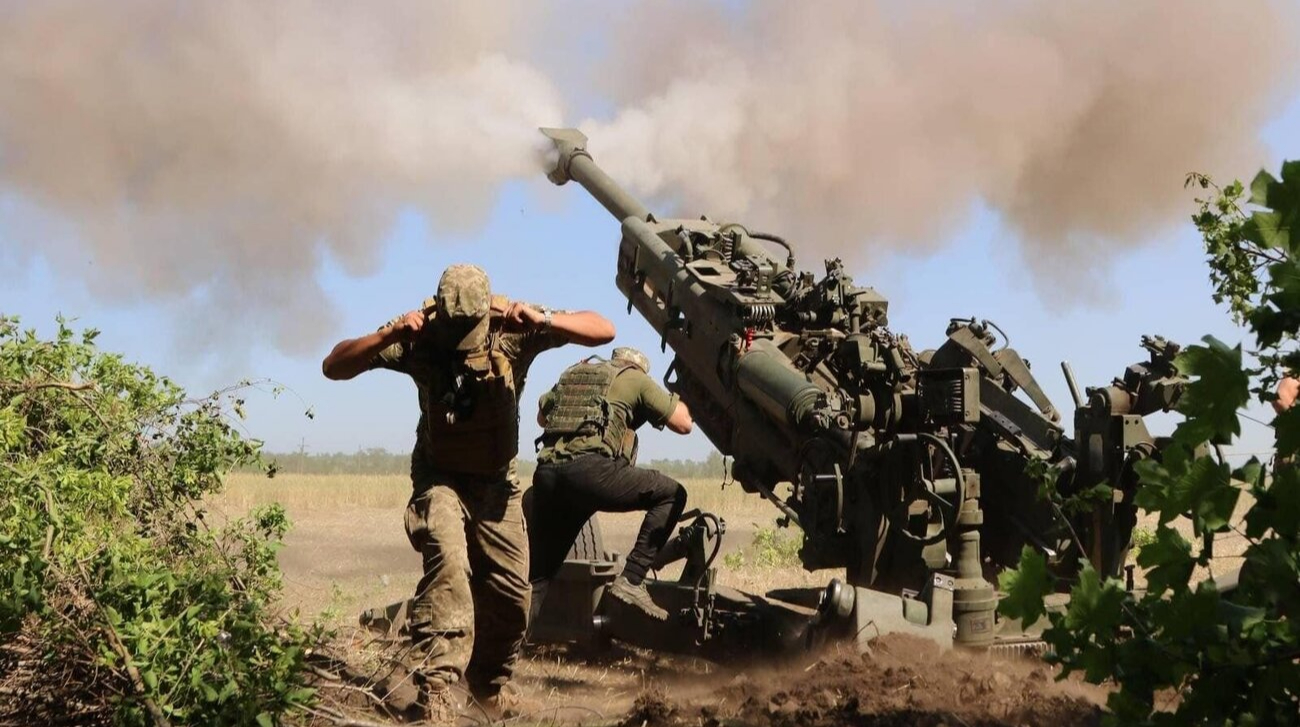
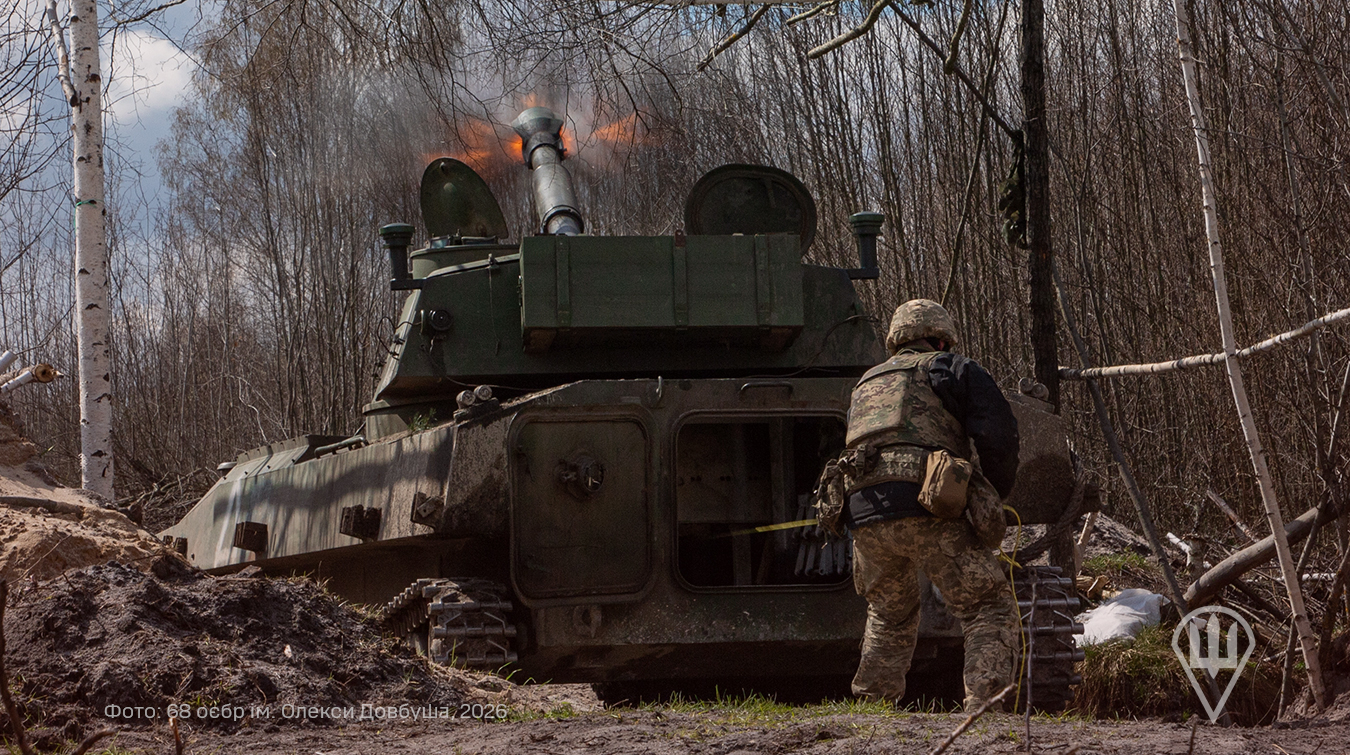
Russian forces have intensified their ground operations, launching nearly 100 attacks specifically on the Pokrovsk axis and two other fronts over the past day, according to reports from Ukraine’s General Staff.[2] This activity is part of Day 1,517 of Russia's large-scale armed aggression against Ukraine, during which a total of 206 military clashes were recorded across the front lines.[2] The concentration on Pokrovsk, a critical area in eastern Ukraine, alongside assaults on two additional unspecified fronts, indicates a sustained push by Russian troops to gain ground amid ongoing positional fighting.[2]
Ukraine’s General Staff documentation highlights the scale of these offensives, with the nearly 100 attacks on Pokrovsk and the other fronts representing a significant portion of the day's total engagements.[2] Pokrovsk itself has emerged as a focal point due to its strategic importance for logistics and defensive lines, where Russian forces have been applying pressure through repeated assaults.[2] The broader tally of 206 clashes suggests a high tempo of combat, with Ukrainian defenders responding to multiple incursions across various sectors.[2]
This reporting from Ukrainska Pravda, based on official General Staff updates, provides a daily snapshot of the frontline dynamics, where Russian initiatives continue to test Ukrainian positions.[2] The emphasis on three key fronts underscores the distributed nature of the Russian effort, aiming to stretch Ukrainian resources while probing for weaknesses.[2] Such offensives align with patterns observed over extended periods, contributing to the attrition-based warfare characterizing Day 1,517 of the invasion.[2]
Ukrainian Air Defence Operations
Russia conducted a large-scale drone assault overnight, launching 142 drones including jet-powered UAVs, against which Ukrainian air defence forces destroyed or jammed 113 of them, as per operational reports.[3] This engagement demonstrates the robustness of Ukraine's defensive network, which managed to neutralize approximately 80% of the incoming threats despite the inclusion of advanced jet-powered variants alongside standard Shahed drones.[3] While some strikes were recorded, the overall interception rate highlights effective countermeasures employed overnight.[3]
The Ukrainian air defence response involved a combination of destruction and electronic jamming, targeting the full spectrum of 142 Russian drones launched in this wave.[3] Reports from Ukrainska Pravda detail how these forces intercepted Shahed and other types, preventing the majority from reaching their intended targets.[3] The presence of jet-powered UAVs adds complexity to the defence challenge, as these faster drones require rapid detection and engagement protocols.[3]
This operation exemplifies the nightly cat-and-mouse dynamic in the skies over Ukraine, where Russian drone barrages test the limits of air defence systems.[3] With 113 successes out of 142, the defences maintained a high efficacy rate, though the few that evaded underscore the persistent threat and the need for sustained vigilance.[3] Such performances are critical in protecting civilian and military infrastructure from aerial incursions.
Broader Impacts of Ukrainian Military Actions
Ukraine's long-range strikes have delivered substantial economic blows to Russia, inflicting billions of dollars in losses to Russian oil revenue specifically in March, as stated by President Zelensky.[4] These operations targeted key elements of Russia's energy export infrastructure, directly impacting one of the primary funding sources for its war effort.[4] Zelensky's remarks, covered by the Kyiv Independent, emphasize the strategic value of these strikes in diminishing Moscow's financial capacity.[4]
The billions in oil revenue losses represent a quantifiable setback, derived from disruptions to refineries and export facilities hit by Ukrainian precision weapons.[4] This economic pressure compounds the military challenges faced by Russia, as oil proceeds have been a cornerstone of its budget amid sanctions.[4] President Zelensky's assessment frames these long-range actions as pivotal, linking battlefield successes to macroeconomic effects on the adversary.[4]
Such strikes illustrate Ukraine's asymmetric approach, leveraging reach to strike at Russia's economic lifelines far from the frontlines.[4] The March timeline specifies a concentrated period of impact, aligning with intensified Ukrainian campaigns against energy targets.[4]
Current Status of the Conflict
The ongoing conflict encapsulates a multifaceted exchange, with Ukrainian intelligence releasing video evidence of drone strikes on Russian landing ships Yamal and Nikolai Filchenkov in occupied Crimea,[1] juxtaposed against Russian ground offensives involving nearly 100 attacks on Pokrovsk and two other fronts amid 206 total clashes on Day 1,517.[2] Aerial domains see Russia launching 142 drones overnight, countered by Ukraine downing or jamming 113,[3] while long-range Ukrainian operations have caused billions in Russian oil revenue losses in March per President Zelensky.[4]
This synthesis reveals a war of attrition across sea, land, air, and economy. Naval strikes in Crimea challenge Russian Black Sea logistics,[1] ground battles around Pokrovsk test defensive lines,[2] drone interceptions safeguard the rear,[3] and energy hits erode funding.[4] Intensity persists, with daily clashes exceeding 200 and nightly drone waves numbering over 140.[2][3]
What to watch next: Monitor Ukrainian follow-up strikes on Crimean assets as shown in recent intelligence videos,[1] Russian responses on Pokrovsk fronts amid ongoing clashes,[2] and air defence performance against further drone launches like the recent 142.[3] Zelensky's highlighting of oil revenue impacts may signal continued long-range targeting.[4]