
Strike Russia: Drone Attack Hits Baltic Port and Shadow Fleet Tankers
Ukraine conducted drone strikes on a Russian Baltic port and two shadow fleet tankers near Novorossiysk, as reported by Ukrainian officials and Russian authorities.[1][3] These operations represent a significant escalation in Ukraine's targeting of Russian oil export infrastructure and military assets, amid ongoing aerial exchanges between the two sides.[1][3][4]
Overview of Recent Strikes
The recent strike Russia operations by Ukraine have focused on critical Russian energy infrastructure, particularly a key oil-loading port in the Baltic Sea and vessels associated with Russia's shadow fleet.[1][3] Ukrainian forces launched a wave of drone attacks on Sunday, hitting the Baltic port in a nighttime operation that drew immediate attention from Russian regional authorities.[1][3] A governor in the affected Russian region confirmed the drone attack on the port, highlighting its role as a primary hub for oil exports.[1] Concurrently, strikes targeted two shadow fleet tankers near the port of Novorossiysk on the Black Sea, with President Volodymyr Zelenskyy publicly stating that these vessels were involved in the illegal transport of Russian crude oil.[1][3][4]
These actions underscore Ukraine's strategy of disrupting Russia's oil revenue streams, which fund its military efforts. The Baltic port strike, in particular, disrupted operations at a facility vital for loading crude onto tankers bound for international markets.[3] Russian authorities acknowledged the incident, with the governor's statement providing early confirmation of the drone incursion into what has traditionally been considered a secure rear area for Moscow.[1] Ukrainian sources, including Zelenskyy, framed the Novorossiysk strikes as precise hits on ships evading Western sanctions through the shadow fleet network—aging, often uninsured vessels operating covertly to ship Russian oil.[1][4]
The coordination of these strikes across distant maritime regions—Baltic Sea and Black Sea—demonstrates Ukraine's growing long-range drone capabilities, allowing it to project power far beyond frontline positions.[3] Reports from multiple outlets detail how the Baltic port attack involved drones penetrating Russian airspace undetected until impact, sparking immediate concerns over vulnerabilities in Moscow's defensive perimeter.[1][3] This overview of the strike Russia events sets the stage for deeper examination of the tactics employed and the responses elicited.
Details of Ukrainian Operations
**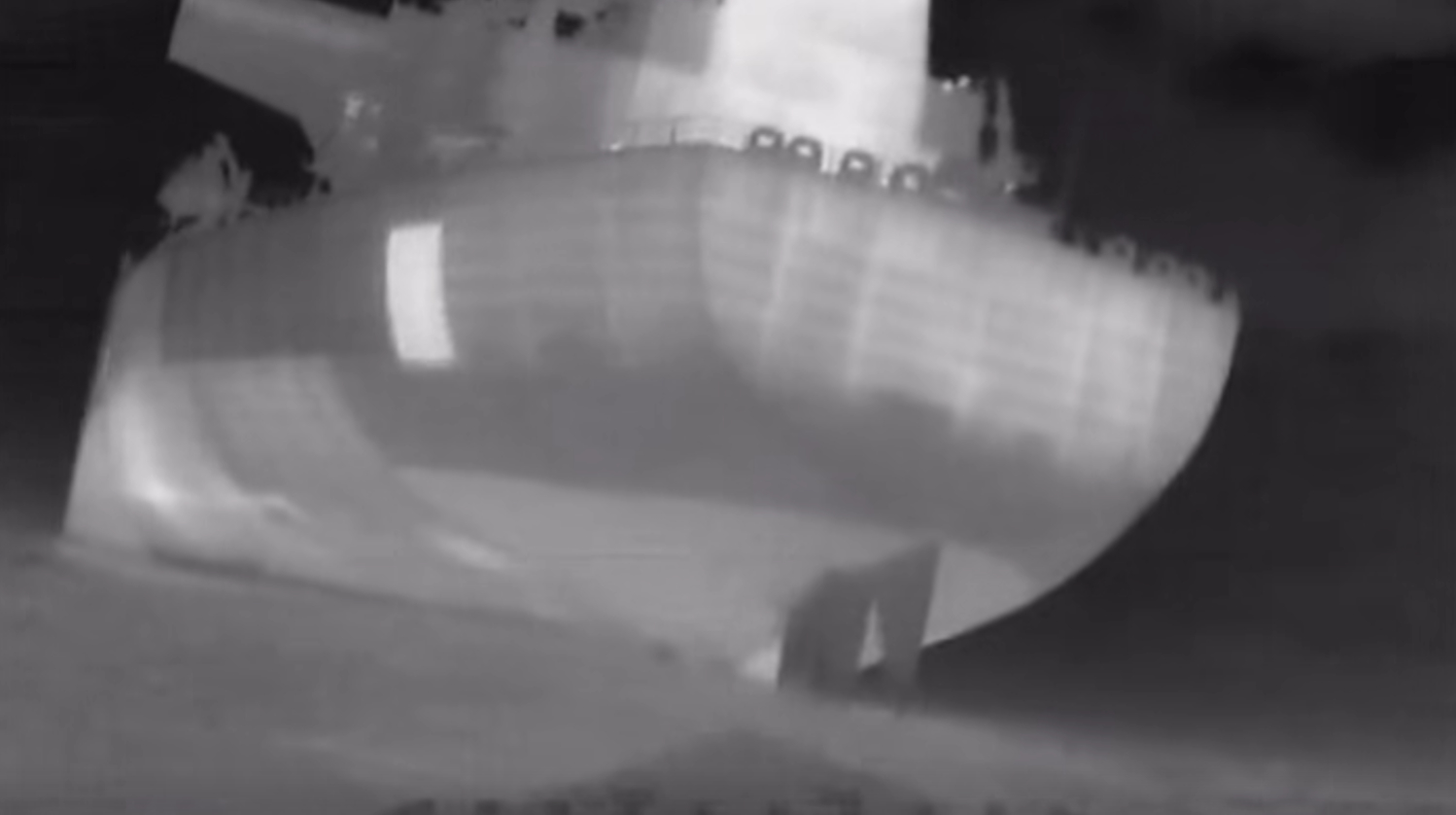
Ukraine strikes two Russian oil tankers, as reported by Zelenskyy. — Source: ukrainskapravda**
Ukraine's Unmanned Systems Forces have emerged as a pivotal element in these strike Russia initiatives, executing targeted operations against both maritime and ground-based Russian assets.[4][5] In the Black Sea vicinity, Ukrainian forces struck two shadow fleet vessels near Novorossiysk port, with reports confirming the hits on these tankers alleged to facilitate the illicit transport of Russian crude.[1][4] President Zelenskyy highlighted these strikes as part of a broader effort to interdict Russia's sanction-busting fleet, which relies on opaque ownership and flag-of-convenience registrations to bypass international restrictions.[1]
Further details reveal the precision of these maritime operations, where drones likely exploited the vessels' limited defenses while at anchor or in transit near the strategic Novorossiysk hub.[4] The Kyiv Independent reported the incident succinctly, emphasizing the direct hit on the two vessels, which aligns with Zelenskyy's announcement and amplifies the operation's success in challenging Russia's oil export logistics.[1][4]
On the ground, Ukraine's Unmanned Systems Forces, under Commander Robert "Magyar" Brovdi, initiated a new wave of strikes against Russian air defense systems in temporarily occupied territories.[5] Brovdi released video evidence showcasing the destruction of these systems, providing visual confirmation of successful drone penetrations and eliminations.[5] These ground strikes complement the maritime efforts, systematically degrading Russia's ability to protect key infrastructure and troop concentrations.[5] The video footage, shared publicly, depicts drones maneuvering past initial defenses to deliver payloads on radar and missile installations, marking a tactical evolution in Ukraine's unmanned warfare doctrine.[5]
Ukrainian operations thus span multiple domains, from sea to land, with a focus on high-value targets that amplify economic and military pressure on Russia.[1][4][5] The integration of real-time intelligence and drone swarms has enabled these dispersed strikes, as evidenced by the simultaneous Baltic and Black Sea engagements.[3]
Russian Defensive and Offensive Actions
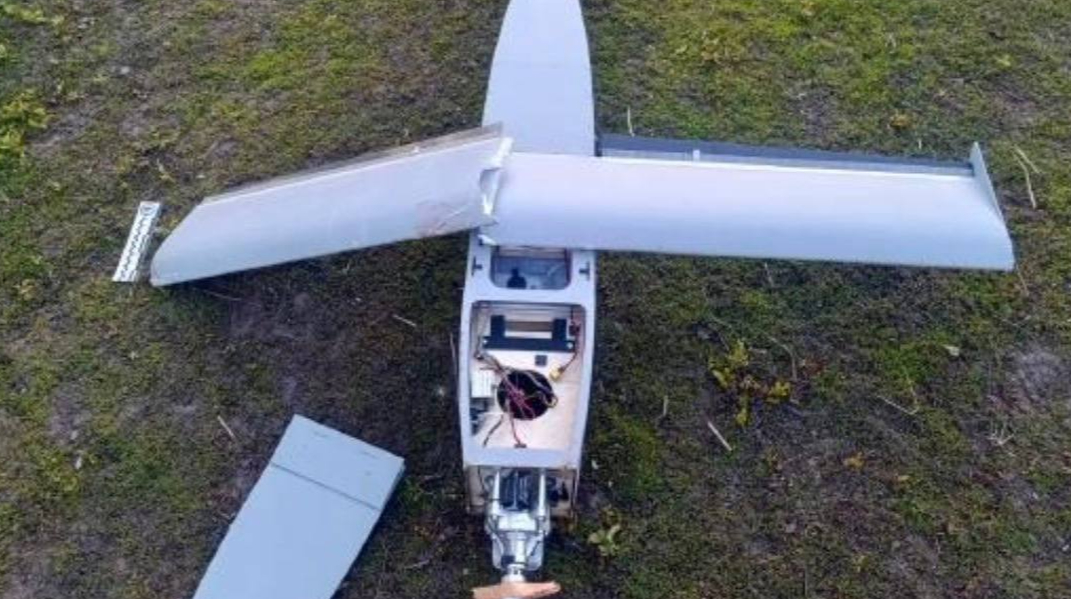
Russia has responded to the escalating drone threats by resuming the use of Parodiya decoy drones during its aerial attacks on Ukrainian territory.[2] These decoys were documented in strikes on Kyiv Oblast on 2 May, with photographs capturing the UAVs in action amid a broader assault.[2] The Parodiya drones serve as expendable lures, designed to mimic real attack drones and overwhelm Ukrainian air defenses by forcing them to expend missiles on false targets.[2]
This tactic represents a resumption of a previously employed strategy, indicating Russia's adaptation to Ukraine's growing drone countermeasures.[2] During the Kyiv Oblast attack, the decoys were integrated into the drone salvo, complicating interception efforts and allowing genuine strike drones to penetrate deeper.[2] Ukrainian observers noted the visual similarities between Parodiya units and actual threats, underscoring the psychological and resource-draining impact of such deceptions.[2]
In the context of defensive measures, Russia's acknowledgment of the Baltic port strike via the governor's statement suggests activation of local air defenses, though the breach implies gaps in coverage over maritime assets.[1] The use of decoys in offensive operations reflects a broader pattern of aerial attrition warfare, where both sides deploy unmanned systems to probe and exhaust the opponent's defenses.[2]
Reported Impacts of the Strikes
The immediate effects of Ukraine's drone strikes were most visibly manifested at Russia's key oil-loading port in the Baltic Sea, where a nighttime attack sparked a blaze.[1][3] Multiple reports confirmed the fire, which illuminated the port facilities and prompted emergency responses from Russian authorities.[3] The governor's confirmation detailed the drone impact leading to the conflagration, disrupting loading operations and potentially damaging storage or transfer infrastructure.[1][3]
For the shadow fleet tankers near Novorossiysk, the strikes inflicted direct damage on vessels critical to Russia's crude export evasion tactics.[1][3][4] Ukraine alleges these ships were engaged in illegal transport, and the hits likely rendered them inoperable, further straining Moscow's shadow fleet logistics.[1][4] Newsmax reporting specified the broader wave of strikes against oil export infrastructure, with the Baltic blaze as a centerpiece of the disruption.[3]
These impacts extend beyond physical damage, signaling vulnerabilities in Russia's energy sector. The port fire, while contained per initial reports, halted activities at a major Baltic export node, which handles significant volumes of crude destined for global markets.[3] Combined with the tanker strikes, the operations contribute to cumulative pressure on Russia's oil revenues, already curtailed by sanctions and price caps.[1][3]
Context of Ongoing Conflicts
The pattern of drone usage in the Russia-Ukraine conflict has intensified, with both sides leveraging unmanned systems for long-range strikes and defensive deceptions.[2][5] Russia's deployment of Parodiya decoys on 2 May against Kyiv Oblast exemplifies Moscow's offensive adaptations, using cheap lures to saturate Ukrainian skies and preserve high-end munitions.[2] Photographs from the incident provide concrete evidence of this tactic's revival, fitting into a cycle of aerial duels where decoys force resource allocation dilemmas.[2]
Ukraine's countermeasures, led by the Unmanned Systems Forces, counter this with proactive eliminations of Russian air defenses in occupied areas.[5] Commander Brovdi's video release not only documents successes but also serves as a morale booster and deterrent signal.[5] These strikes on air defense systems erode Russia's protective umbrella over occupied territories, enabling future drone incursions.[5]
This mutual escalation in drone warfare reflects the conflict's evolution toward technology-driven attrition. Ukraine's Baltic and Novorossiysk strikes parallel Russia's Kyiv assaults, creating a tit-for-tat dynamic grounded in reciprocal targeting of strategic assets.[1][2][3][5] The shadow fleet hits, in particular, tie military actions to economic warfare, as Russia's oil exports fund its war machine despite sanctions.[1][4]
What to watch next: Monitor Russia's response to the Baltic port blaze and shadow fleet damage, alongside Ukraine's continued strikes on air defenses, as both sides refine drone tactics in ongoing aerial exchanges.[1][2][3][5]