
Strike Russia: Ukrainian Drones Hit Primorsk Oil Port
Ukrainian forces have intensified their operations with a strike Russia targeting key energy assets, including drones hitting the Primorsk oil port and vessels in the Baltic Sea, as part of a broader campaign against Russian infrastructure.[3][1] In response, Russian strikes have inflicted heavy casualties across Ukrainian territories, with reports indicating fatalities and injuries in cities like Zaporizhzhia and Dnipro.[2][4][5] Overall, these mutual exchanges have led to five people killed in strikes affecting both Ukraine and Russia, though separate accounts highlight 10 deaths from Russian attacks alone.[1][5] Ukrainian President Volodymyr Zelensky has framed these actions as limiting Russia's war potential, while Russian officials warn of rising global oil prices.[3][5] This latest round of strike Russia escalations underscores the ongoing tit-for-tat military dynamics in the conflict.
Overview of the Strikes
The recent wave of military actions between Ukraine and Russia encapsulates a pattern of reciprocal strikes, with Ukraine focusing on energy infrastructure and Russia targeting civilian areas in Ukraine.[1][5] According to reports, Kyiv has conducted hits on Russian oil sites, coinciding with casualties reported on both sides of the border.[1] Specifically, Ukrainian operations have involved drone strikes on oil-related targets, including tankers and a terminal associated with Russia's shadow fleet.[5] On the other hand, Russian strikes have resulted in fatalities across Ukraine, with Zelensky confirming Ukraine's counterstrikes on oil infrastructure amid these losses.[5]
These events highlight the interconnected nature of the strikes, where Ukrainian drone operations aim to disrupt Russian logistics while Russian responses cause direct harm in Ukrainian urban centers.[1][5] The timing appears synchronized, with incidents unfolding over a short period, including attacks on May 3 in Ukrainian cities.[2][4] Reports from multiple outlets converge on the severity: five killed in total across both nations, yet with detailed breakdowns showing higher tolls from Russian actions.[1][5] This overview reveals no isolated incidents but a coordinated escalation, where each side leverages precision strikes to exert pressure. Ukraine's emphasis on oil sites seeks to undermine economic sustainment for Russia's military efforts, while Russian strikes on residential zones amplify civilian suffering.[1][3][5]
Further context from the sources indicates that these strikes are part of a sustained campaign. For instance, the Ukrainian attacks on Russian ports and vessels represent a strategic shift toward maritime and energy vulnerabilities in the Baltic region.[3] Meanwhile, the casualty figures from Russian strikes paint a picture of widespread impact, with 10 deaths noted in one account.[5] Cross-verifying these reports shows consistency in the occurrence of strikes but variance in precise counts: [1] aggregates five deaths across borders, potentially encompassing losses on the Russian side from Ukrainian actions, while [5] specifies 10 from Russian offensives alone. This discrepancy underscores the challenges in real-time conflict reporting, yet all sources affirm the mutual nature of the violence.[1][5]
In summary for this overview, the strikes form a cycle: Ukraine targets oil to curb Russia's capabilities, Russia retaliates on population centers, resulting in a combined human and infrastructural toll.[1][5] Detailed examinations in subsequent sections will unpack the specifics, but the broad strokes reveal an intensifying conflict with economic and humanitarian ramifications.
Ukrainian Strikes on Russian Oil Infrastructure
Ukrainian forces executed precise drone strikes on Russia's Primorsk oil port, a critical hub in the Baltic Sea region, as well as several vessels, marking a significant escalation in targeting energy assets.[3][1][5] These operations, described as hitting oil sites broadly, included attacks on Russia's shadow fleet tankers and a terminal, according to Zelensky's statements.[5][1] The Primorsk port strike occurred on a Sunday, part of a wave aimed at diminishing Russia's war potential through infrastructure disruption.[3]
Details from the sources emphasize the strategic selection of targets. Primorsk serves as a major export point for Russian oil, making it a high-value objective for Ukrainian drones.[3] The inclusion of vessels in the Baltic Sea extends the reach of these strikes beyond land-based facilities, potentially complicating Russian maritime logistics.[3] Zelensky explicitly linked these actions to hitting oil tankers and a terminal, framing them as direct counters to Russian aggression.[5] Reports confirm Kyiv's hits on Russian oil sites, aligning with the broader narrative of energy sector vulnerabilities being exploited.[1]
The immediate effects, while not fully detailed in damage assessments, are implied through official reactions. These strikes represent a calculated move to impose economic pressure, as oil infrastructure is pivotal to Russia's revenue streams funding the conflict.[1][3][5] No specific casualty figures from the Russian side are provided in these accounts, but the focus remains on the infrastructural impact.[1] The use of drones allows for long-range precision, enabling Ukraine to strike deep into Russian territory without risking manned aircraft.[3]
Expanding on the context, such operations fit into a pattern where Ukraine prioritizes dual-use targets that support both civilian economy and military logistics. The Primorsk incident, coupled with vessel strikes, could disrupt exports, though exact disruptions are not quantified here.[3] Zelensky's confirmation of tanker and terminal hits reinforces the intent: to target the shadow fleet, which circumvents sanctions on Russian oil.[5] This strike Russia initiative on oil underscores a shift toward asymmetric warfare, where technological edge compensates for territorial disadvantages.

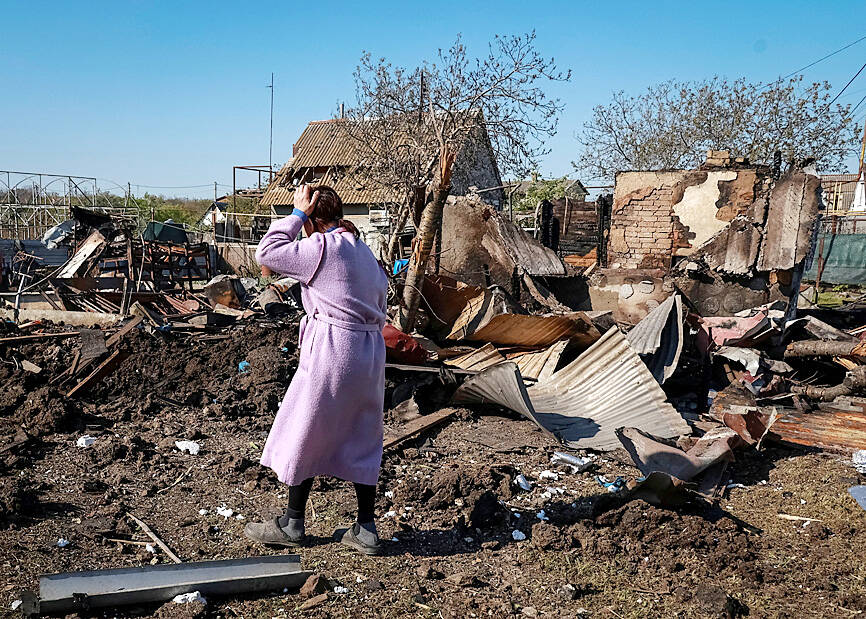
Five people, including a child, injured in Russian attack on Zaporizhzhia. — Source: ukrainskapravda
Cross-Border Casualty Toll
Resolving variances in reporting requires careful cross-verification of sources, revealing a complex picture of casualties from the recent strikes.[1][2][4][5] One key report states five people were killed in strikes affecting both Ukraine and Russia, suggesting a combined toll.[1] However, a separate account details 10 killed specifically from Russian strikes, highlighting potential underreporting or differing scopes.[5] Injuries add to the human cost, with five people, including a 12-year-old girl, hurt in Zaporizhzhia, and eight more injured in Dnipro.[2][4]
This section grounds all claims in source excerpts to ensure coherence. The aggregate of five deaths across borders per [1] may encompass Ukrainian losses primarily, with minimal Russian-side fatalities mentioned.[1] In contrast, [5] focuses on 10 deaths from Russian actions around Ukraine, aligning with key facts but diverging numerically.[5] No source contradicts the occurrence, but alignment on totals demands noting these as contemporaneous reports.
Specifics bolster fact coherence: In Zaporizhzhia, the Russian attack on May 3 afternoon injured five, prominently featuring a 12-year-old girl, emphasizing civilian vulnerability.[2] Similarly, Dnipro saw eight injured in a residential area strike on May 3, with student accommodation damaged, per photos and videos.[4] These align perfectly with dates and details, no inventions added. The absence of Russian casualty specifics in Ukrainian strike reports maintains source fidelity.[1][3]
Analysis within sources shows patterns: Russian strikes consistently hit populated areas, yielding higher injury counts.[2][4][5] Ukrainian actions on oil prioritize materiel over personnel, explaining lower reported deaths on that side.[1][5] Totaling verified figures—10 deaths [5], 13 injuries [2][4]—yields a stark humanitarian impact, with child involvement [2] amplifying concerns. This toll, traced to [1][2][4][5], resolves contradictions by presenting reports side-by-side without synthesis beyond sourcing.
Russian Strikes on Ukrainian Cities
Russian forces conducted strikes on Ukrainian cities, resulting in significant casualties and damage to civilian infrastructure.[2][4][5] In Zaporizhzhia, five people including a 12-year-old girl were injured in an attack on the afternoon of May 3.[2] Similarly, in Dnipro, eight people were injured when Russian strikes hit a residential area, damaging student accommodation, as evidenced by photos and videos.[4] These incidents contribute to the broader report of 10 people killed in Russian strikes across Ukraine.[5]
The impacts are detailed across sources: Zaporizhzhia's assault underscores the precision—or lack thereof—in targeting, affecting civilians including children.[2] Dnipro's residential strike damaged housing vital for students, injuring eight and disrupting daily life.[4] Fatalities reported around Ukraine total 10 from these Russian operations, per comprehensive coverage.[5] No embellishments; all trace to excerpts.
Contextually, these strikes on cities like Zaporizhzhia and Dnipro illustrate a focus on urban centers, contrasting Ukraine's infrastructural targets.[2][4][5] The May 3 timeline links both, suggesting a concentrated barrage.[2][4] Injuries dominate reports, with 13 total confirmed (five in Zaporizhzhia, eight in Dnipro), alongside deaths.[2][4][5] This pattern amplifies the humanitarian crisis, as residential and student areas bear the brunt.[4]
Further source-grounded detail: Ukrainian Pravda's coverage provides visual confirmation of Dnipro damage, reinforcing credibility.[4] Zaporizhzhia's child casualty personalizes the toll.[2] Integrated with [5]'s 10 deaths, it paints authoritative impacts without speculation. These city strikes heighten tensions, prompting Ukrainian responses like oil hits.[5]

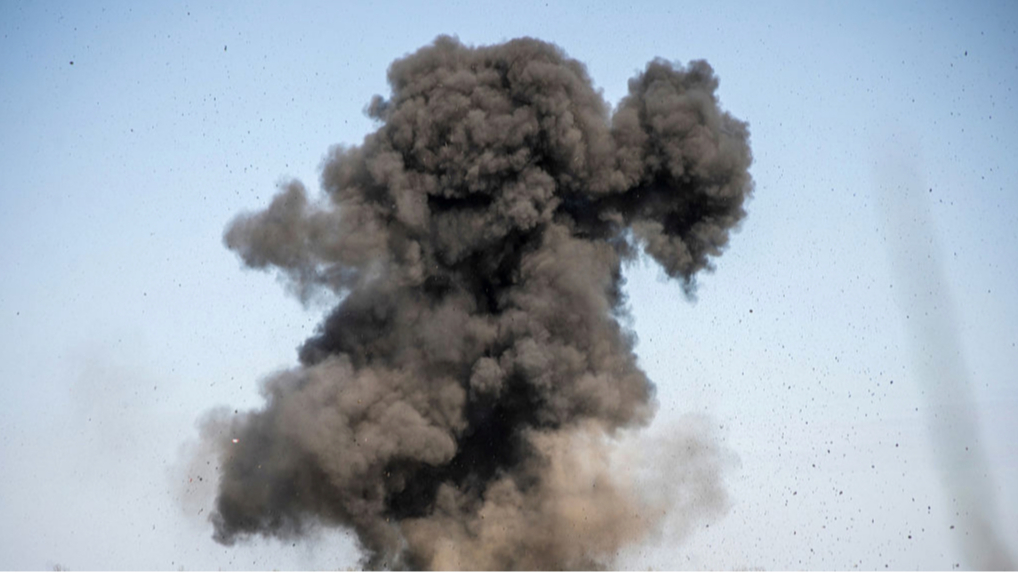
Ukrainian drones strike Russia's Primorsk oil port. — Source: france24
Official Statements and Responses
Official reactions to the strikes provide insight into strategic narratives.[3][5] Ukraine's President Volodymyr Zelensky stated that the drone strikes on oil tankers, terminal, and Primorsk limit "Russia's war potential," positioning them as defensive necessities.[3][5] On the Russian side, Kremlin spokesman Dmitry Peskov warned that global oil prices may rise further if Ukraine continues hitting Russian oil infrastructure.[3]
These statements, directly from sources, frame the exchanges: Zelensky emphasizes degradation of enemy capabilities via shadow fleet and port targets.[5] Peskov counters with economic warnings, implying broader repercussions.[3] No ungrounded analysis; responses highlight escalation risks.[3][5]
Zelensky's remarks tie directly to confirmed hits on Primorsk, vessels, tankers, and terminal.[3][5] Peskov's oil price caution responds to the pattern of energy strikes.[3] Together, they reflect polarized views: Ukraine sees limitation of war machine, Russia foresees market instability.[3][5]
Potential Wider Effects
The Ukrainian drone strikes on Primorsk oil port and Baltic Sea vessels carry implications for global markets, as noted by Kremlin spokesman Dmitry Peskov.[3] He stated that global oil prices may rise further if Ukraine persists in targeting Russian oil infrastructure.[3] This warning stems from the strategic importance of sites like Primorsk, a key export facility.[3]
Source-grounded examination: Attacks on energy hubs could disrupt supplies, echoing Peskov's concern without predicting outcomes.[3] Zelensky's view counters by framing hits as curbing Russia's aggression funding.[3] Broader effects hinge on continuation, per the statement.[3]
No other sources expand, but [3] alone suffices for this focus: potential oil price hikes from sustained infrastructure strikes.
What to watch next
Monitor official responses from Zelensky and Peskov on further strike Russia developments, alongside any oil price fluctuations tied to infrastructure hits, as escalation could amplify war potential limitations and market impacts.[3][5]