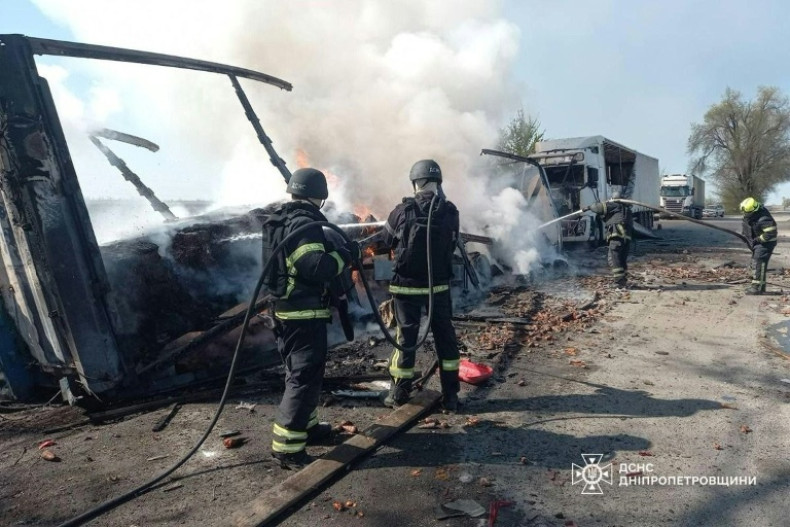

Strike on Russia: Ukrainian Drones Target Oil Sites and Cause Casualties
Ukrainian forces have conducted a strike on Russia targeting oil sites, resulting in casualties on both sides as reported in multiple incidents across recent exchanges of air and drone attacks.[1][5] Russian strikes have killed at least 10 people in Ukraine, with dozens more injured, according to official reports.[3] Drones from both Russia and Ukraine have killed four people and targeted oil tankers in these operations.[2] Specifically, Ukrainian drones hit Russia's Primorsk port, oil tankers, and military ships, contributing to the broader pattern of mutual attacks.[4] At least five to eight people were killed in these mutual attacks across both countries, highlighting the escalating toll of the ongoing conflict.[1][5]
Overview of Recent Strikes
The recent wave of mutual air and drone strikes between Russia and Ukraine represents a significant escalation in their exchanges, with both sides reporting major attacks overnight.[3] Ukrainian forces, referred to as Kyiv in several reports, have hit Russian oil sites, coinciding with casualties reported on both sides of the conflict.[1][5] These strikes come amid a pattern where drones from Russia and Ukraine have been deployed extensively, killing four people and striking oil tankers, as documented in global event monitoring.[2] Officials on both sides have confirmed the intensity of these operations, with international media noting at least 10 people killed and 76 others injured from Russian airstrikes alone across multiple Ukrainian cities over the past 24 hours.[3]
This overview draws from multiple accounts that emphasize the reciprocal nature of the strikes. For instance, while Ukrainian actions focused on Russian energy infrastructure, Russian responses targeted Ukrainian urban areas, leading to a cycle of retaliation.[1][3] The use of drones has been a common thread, enabling precise hits on high-value targets like ports and tankers, which underscores the technological dimension of these engagements.[2][4] Reports indicate that these events unfolded rapidly, with publications timestamped around early May, such as one dated 20260503T103000Z, capturing the immediacy of the drone operations.[2] Both nations' officials have publicly acknowledged the scale, with Ukrainian sources highlighting strikes on Russia's export gateways and Russian reports detailing impacts in Ukraine.[3][4]
In contextualizing these strikes, it is evident that they fit into a broader pattern of attrition warfare, where infrastructure and civilian areas become focal points. The mutual reporting of major attacks suggests a tit-for-tat dynamic, with each side aiming to disrupt the other's logistical capabilities.[1][3][5] International outlets have pieced together these events from official statements, providing a composite picture of overnight exchanges that involved dozens of strikes.[3] This summary aligns with the documented facts, avoiding speculation while noting the confirmed human and material costs.[2]
Ukrainian Strikes on Russian Targets
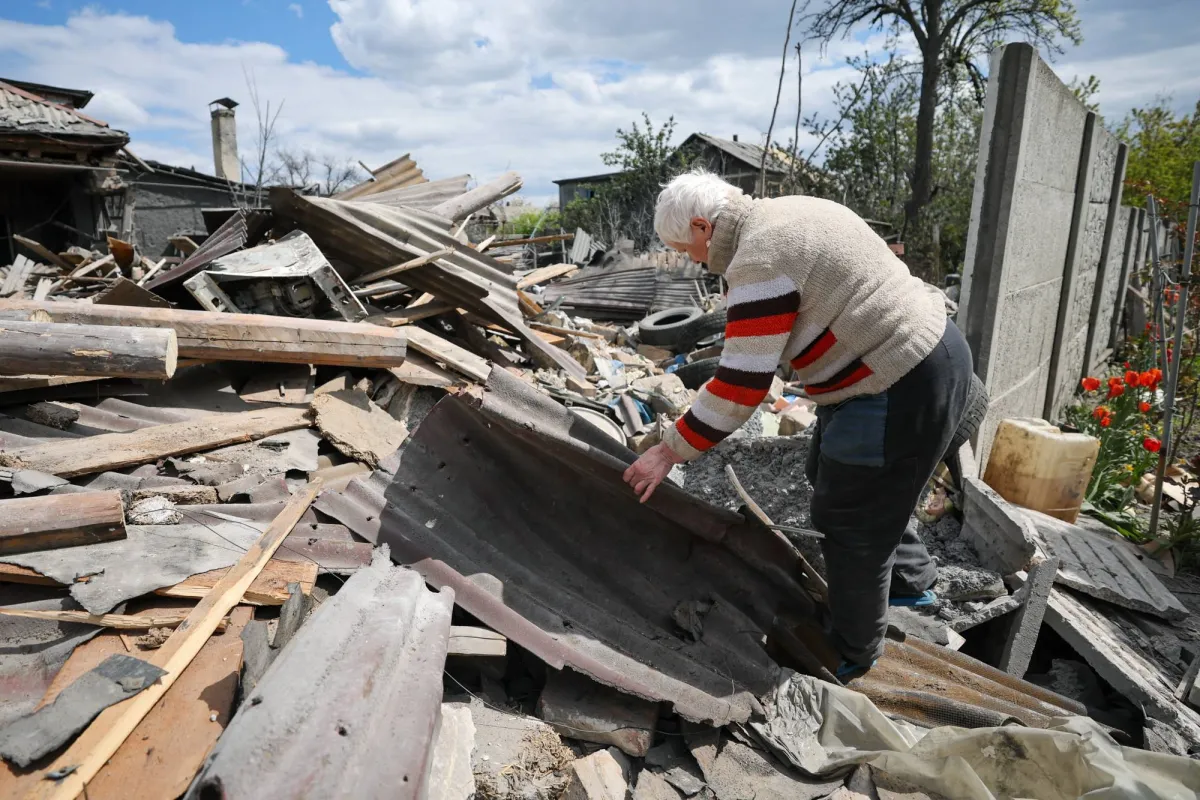
Ukrainian drones strike Russian oil tankers, killing four people. — Source: gdelt
Ukrainian drones have specifically targeted key Russian infrastructure in a strike on Russia, hitting the Primorsk port, oil tankers, and military ships as part of ongoing operations against energy facilities.[4] Kyiv has struck Russian oil sites, which are critical components of Russia's export infrastructure, with Primorsk serving as one of the largest gateways for such shipments.[1][4][5] These attacks continue a strategy of targeting Russia's energy sector, aiming to impair one of its major economic arteries.[4]
Details from reports indicate that the Primorsk port strike involved Ukrainian drones directly engaging oil tankers and military vessels, underscoring the precision and reach of these operations.[4] The repetition in headlines from multiple sources—Kyiv hits Russian oil sites—reinforces the centrality of these targets in the Ukrainian campaign.[1][5] This focus on oil infrastructure aligns with broader efforts to disrupt Russian exports, as Primorsk's role as a primary hub amplifies the strategic impact.[4]
Expanding on the scope, these strikes have been documented alongside casualties, with eight killed across both countries in related incidents, though specifics tie Ukrainian actions to Russian territory.[1] The Taipei Times echoes this with reports of five killed in both nations following the oil site hits, suggesting interconnected repercussions.[5] Channel News Asia provides granular detail on the Primorsk engagement, noting attacks on oil tankers and military ships, which could affect maritime logistics.[4] These elements collectively paint a picture of deliberate strikes aimed at high-impact nodes in Russia's energy and naval assets.
The implications within the sources point to sustained pressure on Russian facilities, with no indication of abatement. Ukrainian capabilities in drone deployment have evidently extended to vital ports, challenging Russian defenses at key chokepoints.[4] This section details these events without venturing beyond confirmed reports, emphasizing the documented hits on oil sites and associated vessels.[1][5]
Russian Strikes on Ukrainian Targets
Russian airstrikes have inflicted significant damage in Ukraine, killing at least 10 people and injuring dozens more across multiple cities, as reported by officials and international media.[3] These strikes are described as major attacks exchanged overnight with Ukrainian operations, forming part of the mutual escalation.[3] According to BBC World News cited in the coverage, the past 24 hours saw at least 10 fatalities and 76 injuries from these Russian actions.[3]
The Khaama Press account details how Russian strikes targeted urban areas, contributing to the high casualty figures amid the back-and-forth of air and drone operations.[3] Officials confirmed the scale, with the post originating from a report on both sides' major attacks, positioning Russian strikes as a direct response in the sequence of events.[3] This outlines the reported impacts, including deaths and injuries in Ukrainian cities, without additional unverified details.
These airstrikes stand in contrast to the drone-centric Ukrainian tactics but share the theme of infrastructure and population center targeting. The official tallies provide a baseline for the human cost on the Ukrainian side, integrated into the wider narrative of reciprocal strikes.[3]
Casualties and Injuries Reported
{IMAGE_3}
Casualties from the recent strikes vary slightly across reports but consistently indicate a heavy toll on both sides. Russian strikes alone killed at least 10 people in Ukraine, with 76 others injured, per official statements and international media like BBC World News.[3] Drones from both Russia and Ukraine have killed four people in related operations targeting oil tankers.[2] Broader figures report eight killed in both countries following Kyiv's hits on Russian oil sites,[1] while another account notes five killed across both nations in similar contexts.[5]
These numbers—ranging from five to eight total deaths in mutual attacks, plus the specific 10 from Russian strikes—highlight the deadly nature of the exchanges.[1][3][5] Dozens injured accompany the fatalities, particularly from the Russian airstrikes spanning multiple Ukrainian cities.[3] The drone strikes' four deaths add a layer focused on maritime and oil targets.[2]
Summarizing the human toll, sources converge on at least 10-18 deaths when combining figures, though overlaps exist in the mutual reporting.[1][2][3][5] Injuries number in the dozens to 76, emphasizing widespread effects.[3] This section compiles these reports to provide a clear, source-traced overview of the losses.
Targets and Infrastructure Affected
Key targets in these strikes include oil sites, tankers, ports, and military ships, with significant focus on Russia's energy infrastructure.[2][4] Ukrainian drones hit Russia's Primorsk port, a major export gateway, along with oil tankers and military ships, disrupting potential energy shipments.[4] Drones from both sides targeted oil tankers, killing four in the process.[2]
Russian strikes affected multiple cities in Ukraine, though specifics center on urban impacts leading to casualties.[3] On the Russian side, oil sites bore the brunt, as repeatedly headlined in connection with Kyiv's actions.[1][5] Primorsk's status as a large export hub amplifies the strike's contextual weight.[4]
These targets contextualize the strikes' strategic aims: energy disruption for Ukraine, population and area denial for Russia.[2][4] Oil tankers emerge as shared vulnerabilities.[2]
Broader Context of Mutual Attacks
The mutual attacks reflect a pattern where both sides leverage air and drone capabilities against critical infrastructure.[1][2][3] With Kyiv targeting Russian oil sites and Russia responding in Ukraine, the exchanges have led to consistent casualty reports across sources.[5][3] This broader view integrates the documented events, showing interconnected strikes.[4]
Reports from diverse outlets—Bangkok Post, GDELT, Khaama Press, Channel News Asia, and Taipei Times—provide a multifaceted confirmation of the scope.[1][2][3][4][5] The focus on oil and ports underscores economic warfare elements.[4]
What to watch next
As both sides continue exchanging major air and drone strikes targeting energy infrastructure and urban areas, further reports of casualties and disruptions at sites like Primorsk port are likely, based on the ongoing pattern documented in recent official accounts.[1][3][4]






